Genetic Research Group
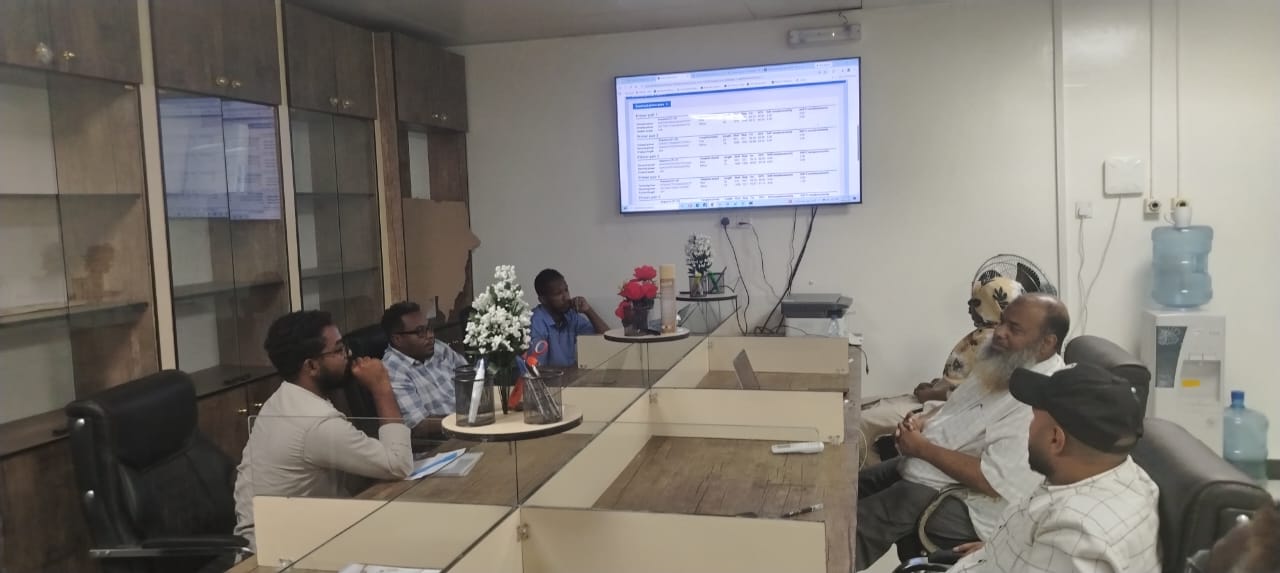
The Genetic Research Group at the Mycetoma Research Centre (MRC), University of Khartoum, a World Health Organization (WHO) Collaborating Centre, was established to lead host and pathogen genomic research on mycetoma. As a severely debilitating, chronic neglected tropical disease (NTD), it involves complex host-pathogen interactions that remain under-researched. The group functions as a multidisciplinary unit integrating clinical medicine, molecular biology, biobanking, and bioinformatics to address critical scientific gaps in disease susceptibility and control.
Importance & Rationale
Understanding the genetic architecture of both the human host and causative microorganisms is essential for revolutionising mycetoma management. Host genetic studies reveal why only specific individuals in endemic communities develop severe disease upon exposure, while pathogen genomics provides insight into species diversity, resistance profiling, and novel therapeutic targets. Additionally, this research directly contributes to filling a major gap in global genomic databases regarding underrepresented African populations.
Core Objectives
- Identify Host Vulnerabilities: Map human genetic variants, single nucleotide polymorphisms (SNPs), and immune response genes associated with disease susceptibility and clinical severity.
- Decode Pathogen Genomes: Characterise and sequence causative fungal and bacterial species.
- Develop Biomarkers: Discover unique molecular markers for early, non-invasive point-of-care diagnostics and prognostics.
- Strengthen Regional Capacity: Build local and regional expertise in genomic epidemiology, molecular diagnostics, and bioinformatics.
Genetic Research & Training Focus
- Human Host Genetics: Research focuses on innate and adaptive immune pathway polymorphisms (e.g., interleukins, Toll-like receptors, HLA alleles) to determine how immune dysregulation drives extensive tissue destruction and chronic lesion formation.
- Microorganism Genetics: Comparative genomics and whole-genome sequencing (WGS) are used to map strain variations, identify drug-resistance mutations, and trace transmission pathways in endemic foci.
- Training Initiatives: The group conducts structured hands-on training for postgraduate students, clinicians, and laboratory scientists. Modules cover specialised DNA/RNA extraction from complex clinical tissue biopsies, real-time PCR, next-generation sequencing (NGS) protocols, and downstream bioinformatics data analysis.
Core Activities
- Curating an extensive biobank of clinical specimens, extracted human DNA, and isolated fungal and bacterial strains.
- Molecular identification and strain typing directly from patient tissue samples and sinus discharges.
- Designing and validating molecular diagnostic assays for field and clinical deployment.
- Executing bioinformatics pipelines for genome assembly, variant calling, and phylogenetic reconstruction.
Collaborations & Strategic Partnerships
By combining the MRC’s world-class clinical repositories with advanced international sequencing platforms, the group ensures that local health priorities drive cutting-edge genomic science to deliver direct benefits to affected communities.
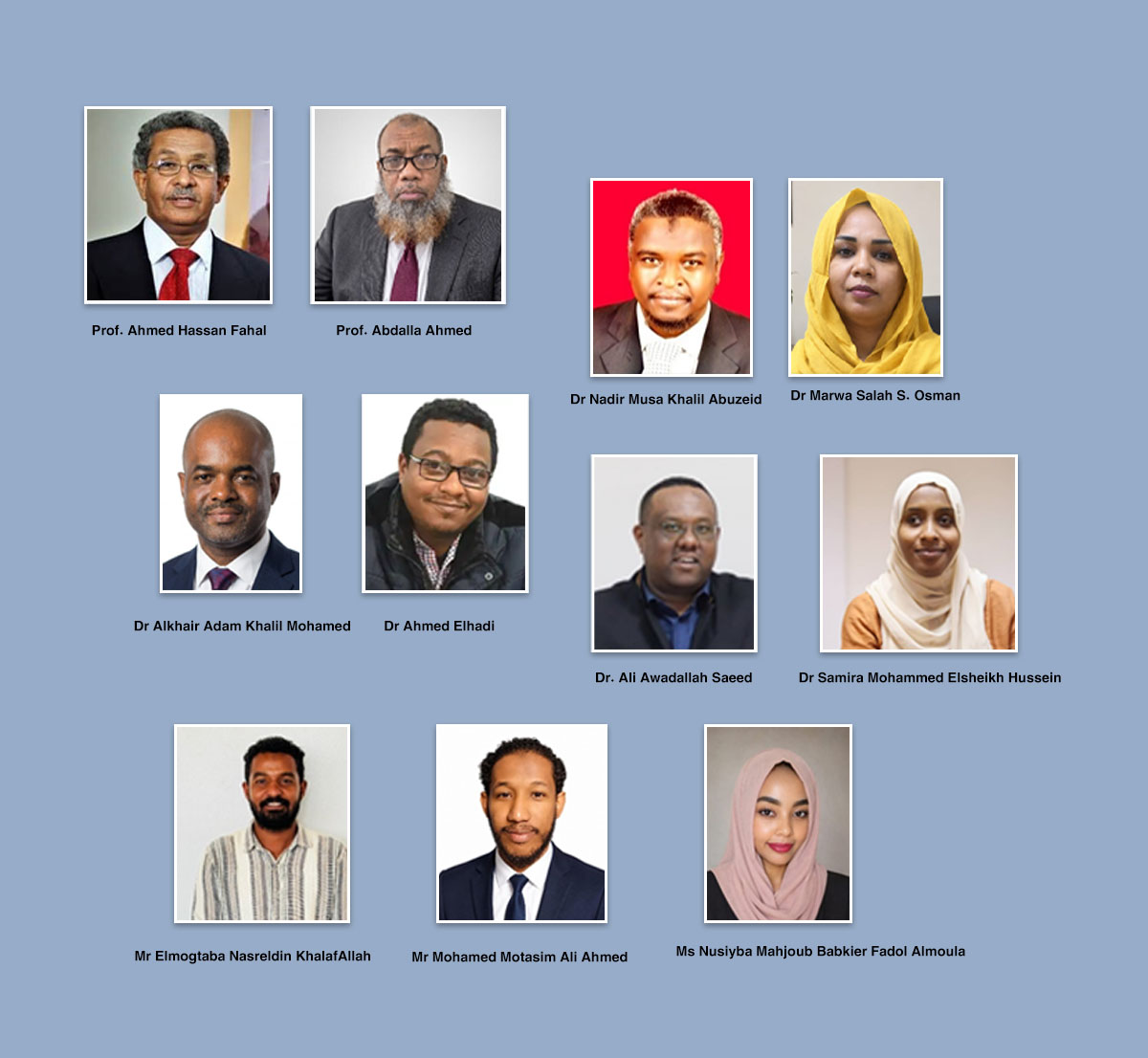
Group Members