Kassala Mycetoma Satellite Center
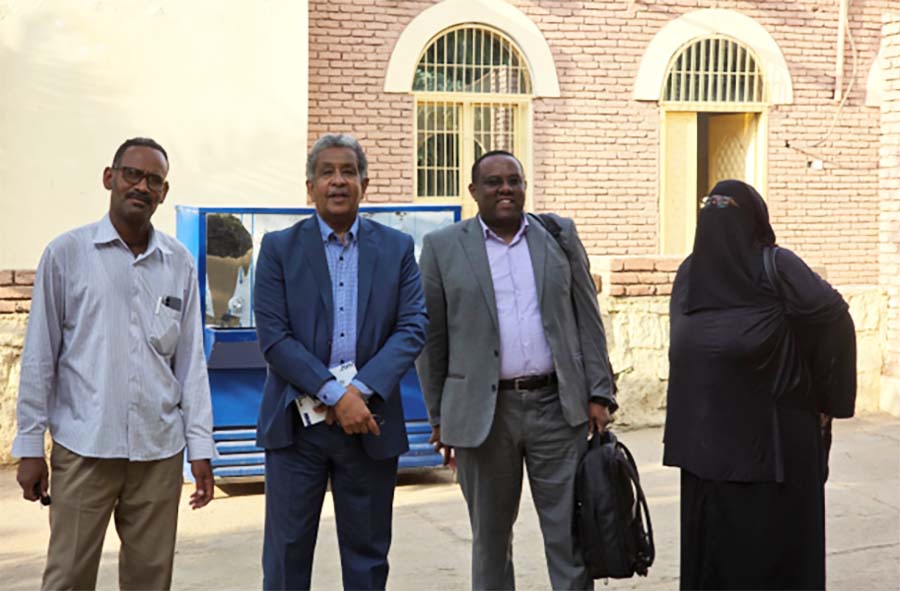
The Kassala Mycetoma Satellite Centre is a collaborative initiative established in 2024 by the Mycetoma Research Centre at the University of Khartoum, in partnership with the Kassala State Ministry of Health, Kassala University, and the Federal Ministry of Health.
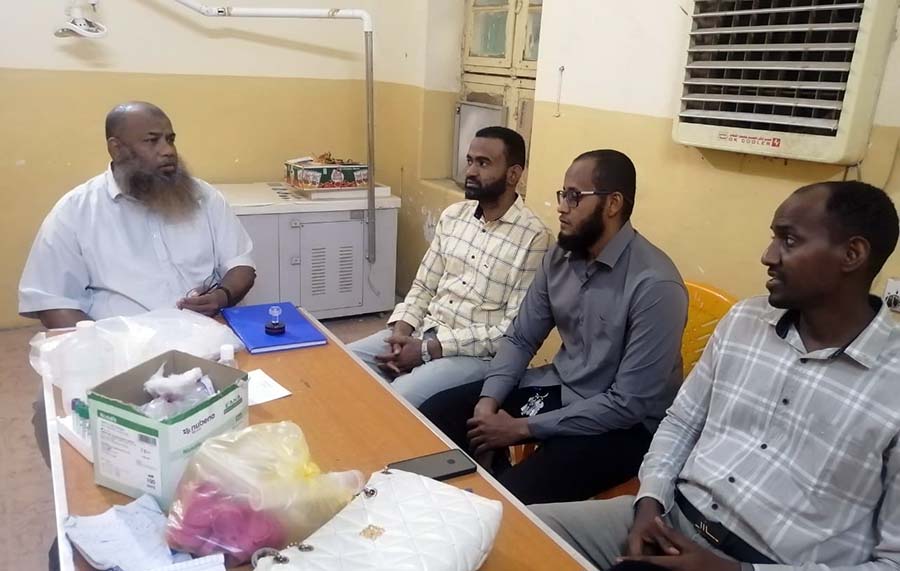
The centre, based at Kassala University, operates an outpatient clinic at Kassala Teaching Hospital and serves as a dedicated hub for the diagnosis, treatment, and follow-up of mycetoma in eastern Sudan. The initiative builds on ongoing community engagement and progressive clinical activity, including regular weekly clinics and targeted campaigns to improve access to specialised care for mycetoma patients.
Operational note
The Kassala Mycetoma Satellite Centre benefits from the structural and clinical framework of the Mycetoma Research Centre at the University of Khartoum, as well as sustained collaboration with the Kassala State Ministry of Health, Kassala University, and the Federal Ministry of Health. Its ongoing weekly clinics and dedicated campaigns reflect a continued commitment to expanding access to care, improving outcomes for patients with mycetoma, and advancing research and practice in this challenging disease.
Justifications
- Mycetoma is a chronic, often debilitating disease that requires specialised diagnostic work, targeted antimicrobial therapy, and surgical intervention. Access to timely, expert care is frequently limited in Kassala and the surrounding regions.
- There is a need to standardise care pathways, improve early detection, and provide comprehensive management, including diagnosis, treatment, wound care, and follow-up, through a dedicated satellite center linked to national expertise.
- Strengthening collaboration between local and national health authorities and research institutions enhances surveillance capacity, improves patient outcomes, increases knowledge generation, and raises public awareness of prevention and early presentation.
- The centre aligns with Sudan’s health system priorities to expand tertiary-level support for neglected diseases and strengthen regional health workforce development.
Objectives
- Provide accessible, high-quality diagnostic and treatment services for mycetoma patients in Kassala and nearby districts.
- Establish a sustainable clinical and research platform at Kassala University in collaboration with national partners.
- Improve early diagnosis, appropriate treatment initiation, and continuity of care, including follow-up and rehabilitation as needed.
- Build local capacity through training of healthcare workers in mycetoma recognition, diagnosis, and management.
- Strengthen community awareness and outreach to reduce delays in care and stigma, and promote preventive practices.
- Generate and share data to inform clinical guidelines, service planning, and future research, with the goal of advancing towards a cure or improved therapeutic strategies.
Activities
Outpatient clinic operations
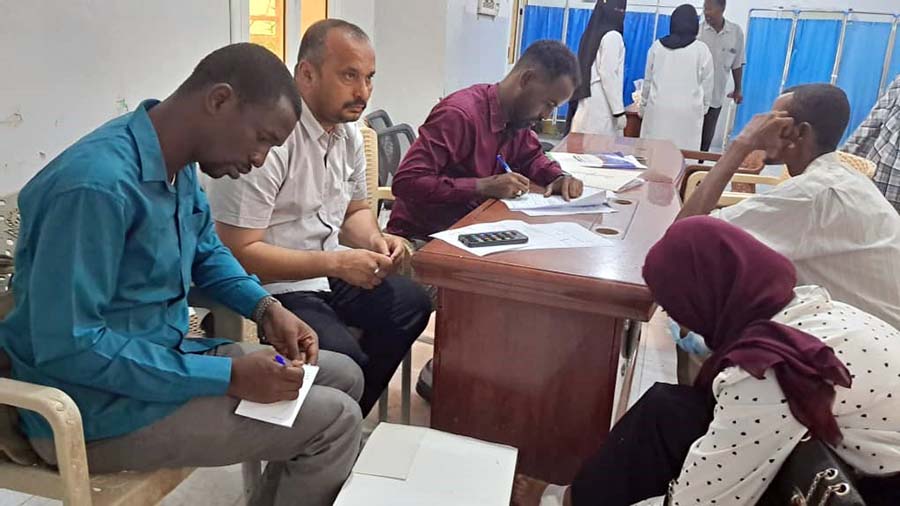
- Regular weekly Mycetoma clinic at Kassala Teaching Hospital and at the University of Kassala.
- Ongoing patient intake, clinical assessment, diagnosis, and treatment planning.
Diagnostic services and assessments
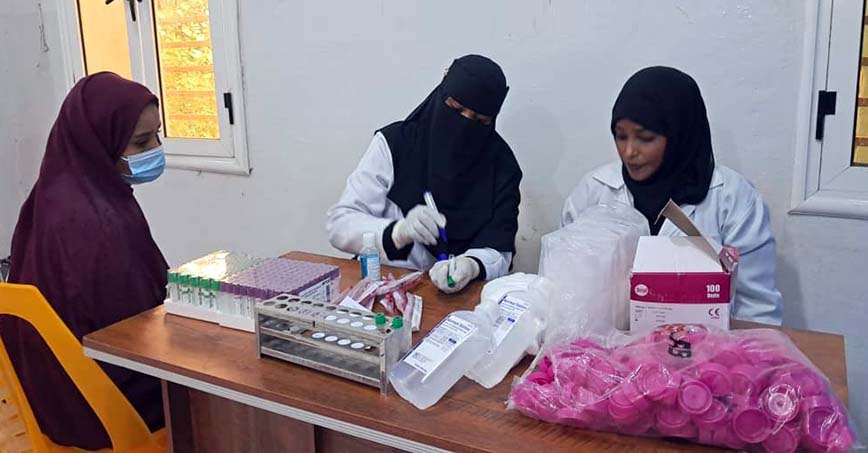
- Laboratory examinations of blood and tissue samples to identify causative organisms.
- Diagnostic imaging, including X-rays to assess bone involvement and ultrasounds for soft tissue assessment.
Treatment and management
- Initiation and adjustment treatment tailored to the causative organism.
- Surgical consultation and, where indicated, surgical excision of infected tissue.
- Wound care guidance, hygiene education, and structured follow-up plans.
Campaigns and outreach
- Early case detection and management of suspected mycetoma patients.
- Raise awareness and advocacy on mycetoma to reduce the disease burden.
- Highly visible treatment and diagnosis campaigns to expand access, deliver free or low-cost services, and raise public awareness.
- Specialist-led examinations of suspected and known mycetoma cases, with comprehensive diagnostics and treatment initiation or continuation.
Capacity building and research
- Training and mentorship for local healthcare workers in mycetoma management.
- Data collection for clinical registries, outcomes tracking, and research collaborations with the Mycetoma Research Center.
Collaboration and advocacy
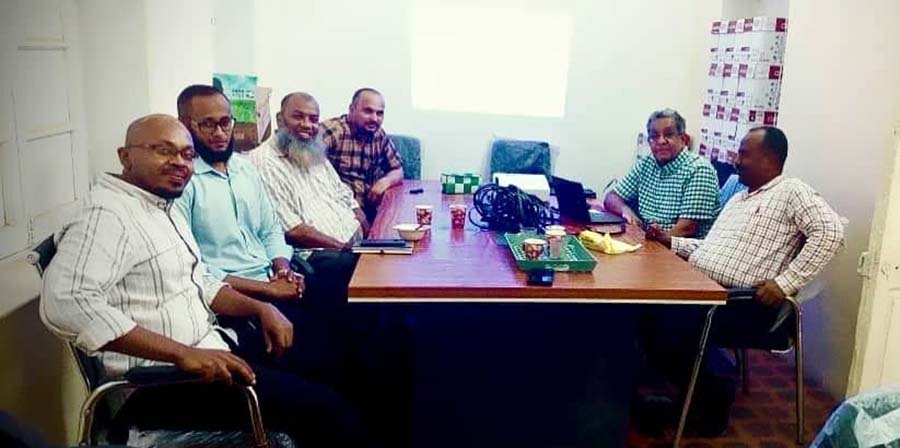
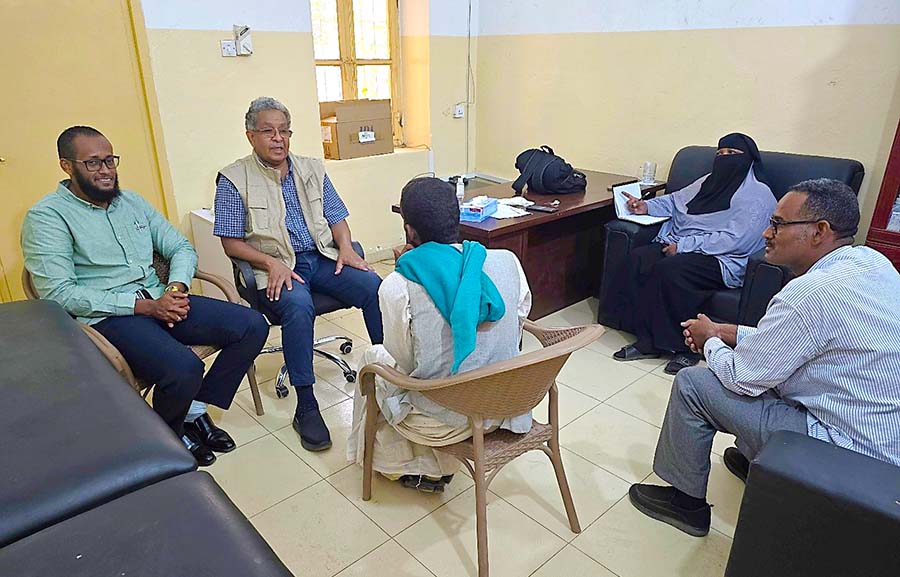
- Continued coordination with Kassala State Ministry of Health, Kassala University, the Federal Ministry of Health, and the University of Khartoum to harmonise protocols and optimise patient pathways.
Expected Outcomes
- Improved access to specialised mycetoma care for patients in Kassala and the region, with a clear pathway from referral to definitive management.
- Timely diagnosis and appropriate treatment initiation to reduce disease progression and complications.
- Increased proportion of patients receiving comprehensive care, diagnosis, treatment, follow-up, and wound management within the satellite center.
- A structured follow-up framework ensuring continuity of care and monitoring of treatment response.
- Enhanced local capacity through training of clinicians and allied health staff in mycetoma management.
- Strengthened community awareness, leading to earlier presentation and reduced stigma.
- A functional data registry and routine reporting that informs clinical practice and supports future research.
Impacts
Health impact
- Improved patient outcomes through early detection, evidence-based therapeutic regimens, and timely surgical interventions when needed.
- Reduction in morbidity associated with late-stage mycetoma and improved quality of life for people living with the condition.
Health system impact
- Creation of a replicable satellite model linking regional centers with national expertise, enabling scalable expansion to other high-burden areas.
- Strengthened collaboration among academic institutions, state health authorities, and national ministries to coordinate mycetoma care, surveillance, and research.
Community and knowledge impact
- Increased public awareness about mycetoma, its transmission, early signs, and the importance of seeking timely care.
- Generation of local data to inform public health strategies, clinical guidelines, and potential innovation in treatment approaches.
Sustainability and future planning
- A foundation for sustained service delivery, with ongoing campaigns, routine weekly clinics, and periodic diagnostic/ treatment days.
- Plans for continuous improvement of treatment protocols, follow-up mechanisms, and research initiatives to advance mycetoma management and, ultimately, cure efforts.
Early Access Cohort Protocol Project
The Early Access Cohort Protocol Project is a collaboration between the Mycetoma Research Centre, Eisai Pharmaceutical Company and DNDi at the Kassala Mycetoma Satellite Centre. It aims to provide treatment access for 100 mycetoma patients. It uses the facilities and outpatient services at Kassala University and Kassala Teaching Hospital. The local teams are trained in clinical and laboratory good practices and REDCap data capture.
The study is prospective, open-label, and single-arm. Enrollment will occur over several months. Follow-up visits will be at multiple time points to assess adherence and completion, and to monitor outcomes. Outcomes include clinical and radiological results, microbiological aetiologies, and pharmacovigilance.
Eligibility requires confirmation of mycetoma and suitability for the regimen. Informed consent is required, with capacity for follow-up. Exclusions include contraindications, major comorbidities, pregnancy if relevant, co-infections, and concurrent trials.
The intervention is a defined early access regimen plus standard care. Safety monitoring for AEs and SAEs is planned, with potential treatment modifications. Data are captured in REDCap, with a focus on quality and privacy. Safety oversight and ethical approvals govern the project.
The primary endpoint is safety; secondary endpoints include clinical response, microbiology, imaging, adherence, escalation of care, quality of life, and feasibility. Logistical aspects include supply chains, training, and integration with routine care. Plans for sustainability and scale-up are in place. Dissemination will include stakeholder briefings, interim safety updates, and publications.
- Mycetoma Kassala Plan
- Mycetoma Campaign in Kassala
- Mycetoma weekly clinic, Kassa
- Meeting with Kassala Governor | video
- Launch of the Early Access Cohort Study on Fosravuconazole at Kassala Mycetoma Research Satellite Centre
- Kassala State Mycetoma Satellite
- Mycetoma and Skin-Neglected Tropical Diseases: The First Integrated Clinic at Kassala Teaching Hospital