Paving the Way Forward: Mycetoma Research Investigators Convene in Nairobi for Fosravuconazole Phase III Clinical Trial Preparations
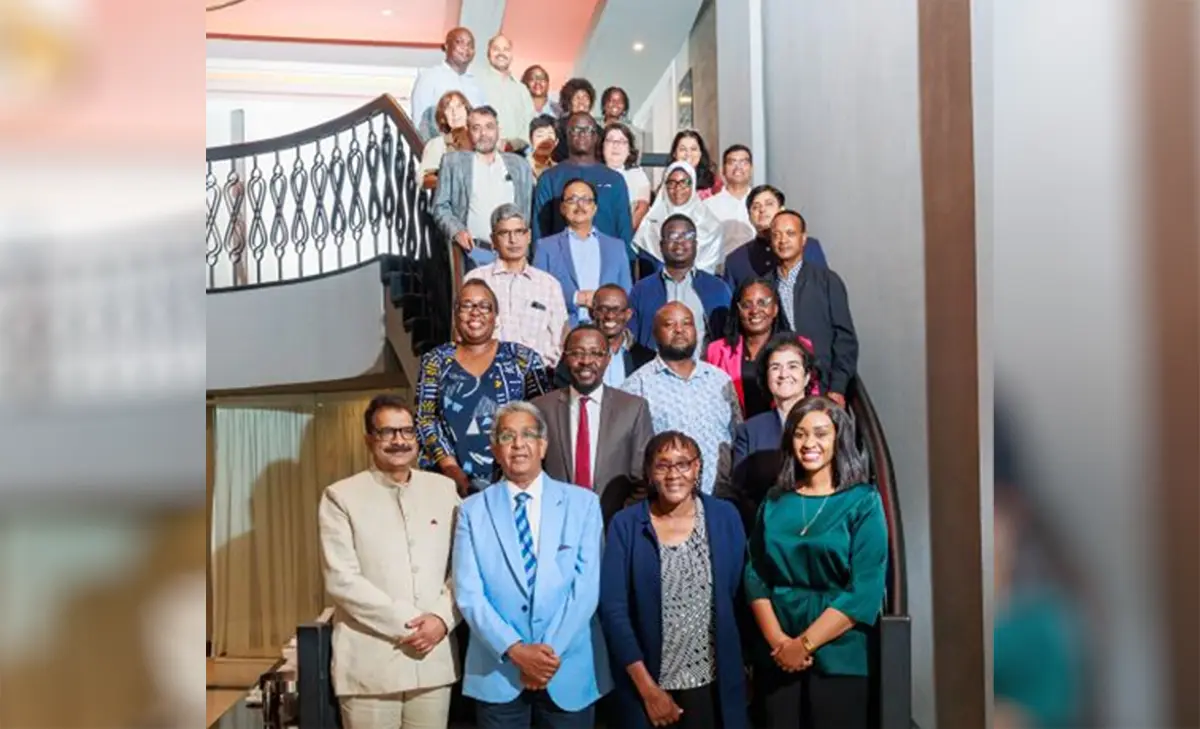
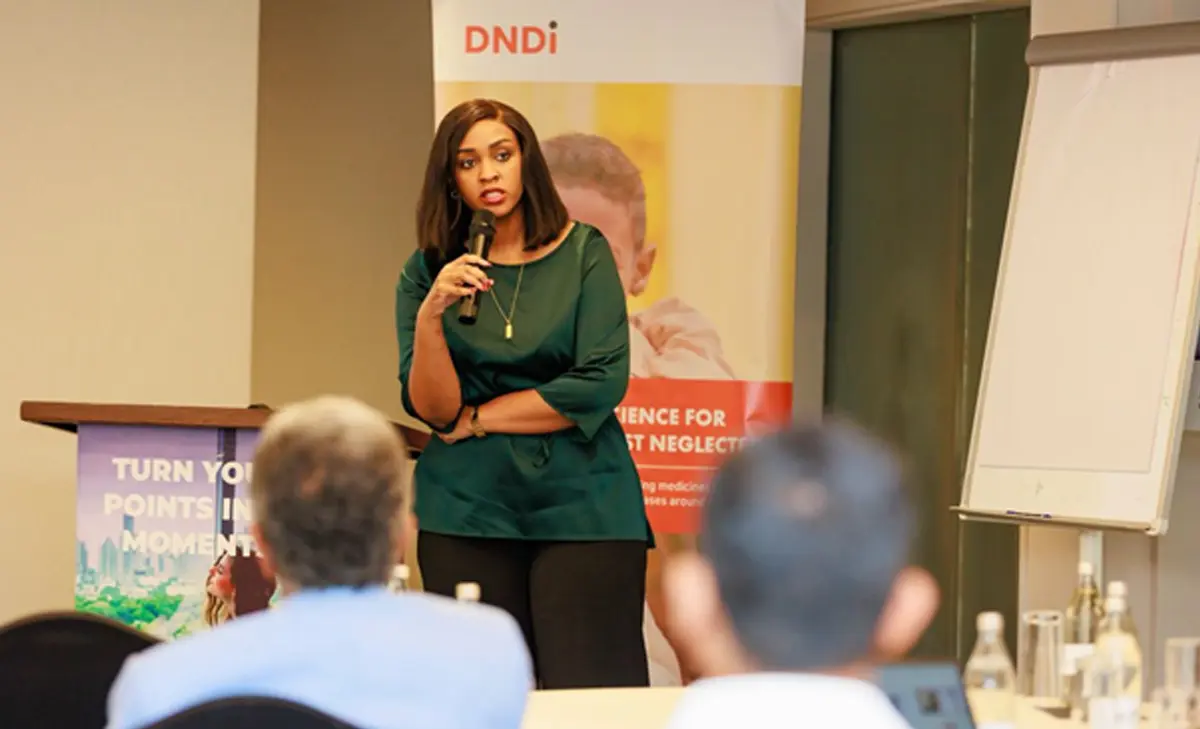
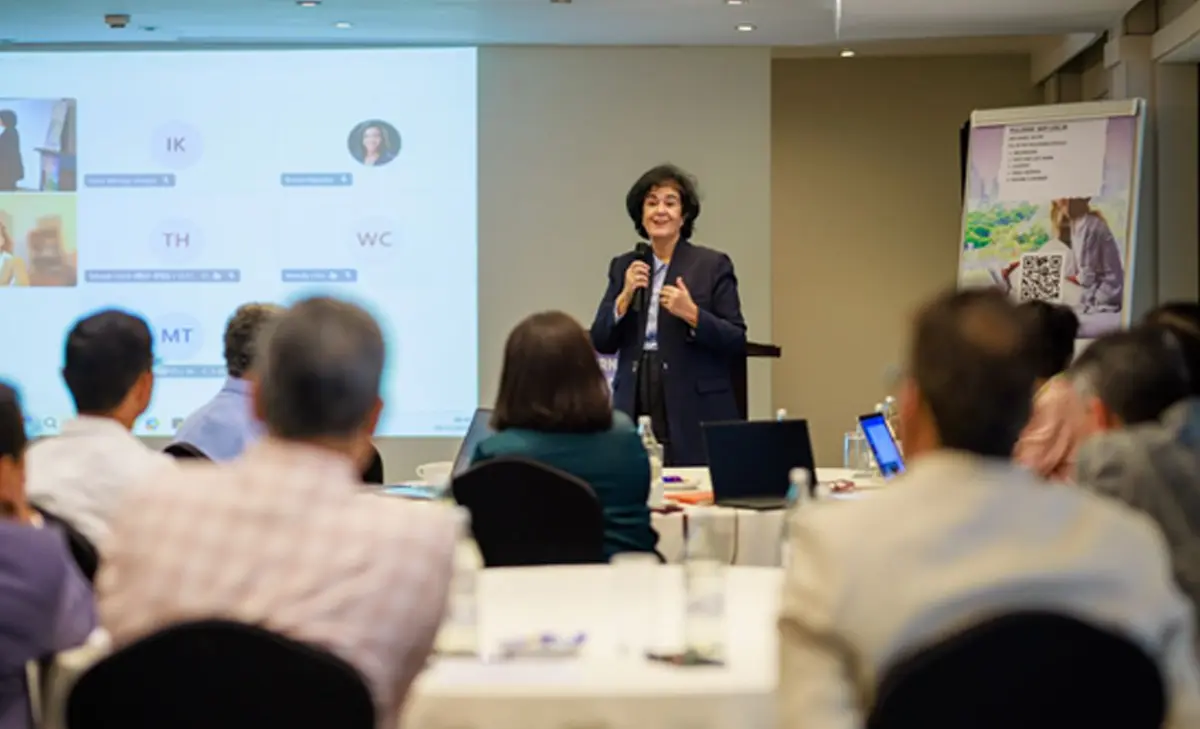
From November 3rd to 5th, 2026, the Drugs for Neglected Diseases initiative (DNDi) brought together leading mycetoma investigators and international research partners in Nairobi, Kenya, for a landmark strategic meeting. This vital gathering marked a crucial milestone in preparations for the upcoming, highly anticipated fosravuconazole Phase III clinical trial, steering the global effort to deliver a safer, more effective oral treatment option for patients suffering from eumycetoma.
Aligning Global Expertise for the Next Phase of Discovery
The three-day consultation served as an invaluable platform for multidisciplinary teams to align clinical protocols, strengthen cross-border collaboration across endemic countries, and rigorously address key scientific, operational, and regulatory pathways. Building directly upon the robust clinical evidence and safety data generated through the successful Phase II trials conducted in Sudan, investigators are now mobilising for this next critical step in therapeutic evaluation.
Addressing a Devastating Neglected Tropical Disease
Mycetoma remains a deeply destructive, chronic granulomatous neglected tropical disease. In its advanced stages, it leads to severe physical deformities, disabilities, profound social stigma, and, far too often, life-altering surgical amputations.
For the thousands of vulnerable individuals and rural communities affected across the “Mycetoma Belt” and worldwide, the search for shorter, safer, and more accessible oral treatments is an urgent humanitarian and medical priority.
A Shared Vision for Equitable Health Access
As the Mycetoma Research Center at the University of Khartoum continues its pioneering work as the sole WHO Collaborating Center on Mycetoma and Skin NTDs, this meeting underscored a fundamental truth: defeating neglected tropical diseases requires far more than scientific innovation alone.
It demands unbreakable international partnerships, empowered locally led research, dedicated investigators, and an unwavering, shared commitment to ensuring that breakthrough treatments are not only safe and scientifically sound, but also affordable, equitable, and directly accessible to the marginalised communities who need them most.