Rebuilding Hope and Resilience in Mycetoma Care: The Transformative Reconstruction of the Mycetoma Research Center through the Rocinantes NGO Partnership
The conflict that erupted in Sudan in April 2023 caused unprecedented disruption to the country’s socio-economic fabric, healthcare delivery systems, and academic institutions. Among the most severely affected institutions was the Mycetoma Research Center (MRC) at the University of Khartoum, a world-renowned centre of excellence and a World Health Organisation (WHO) Collaborating Center on Mycetoma and Skin Neglected Tropical Diseases (NTDs). The war caused significant physical damage to the centre’s clinical, diagnostic, and research facilities in Khartoum, forcing an immediate halt to essential tertiary care services, active community outreach programmes, and clinical trials.
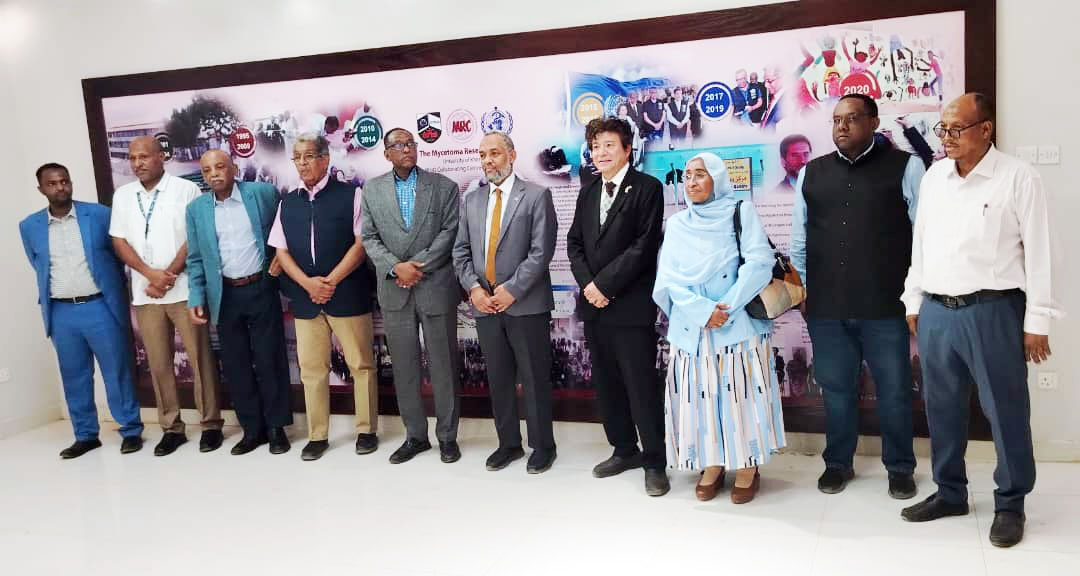
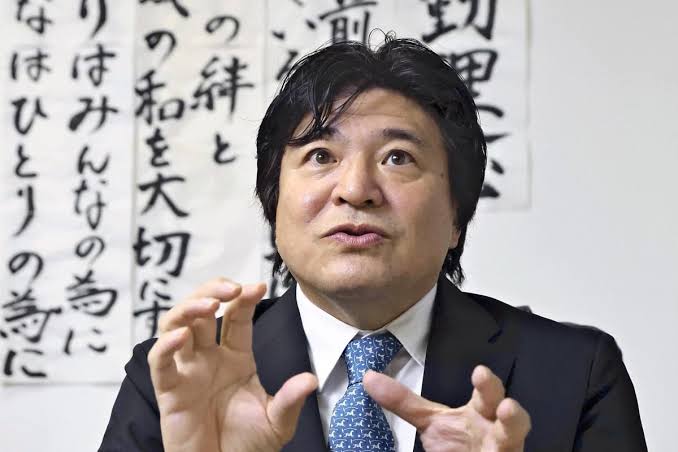
To address this humanitarian and health crisis, the Mycetoma Research Centre and Rocinantes, a prominent Japanese non-governmental organisation, forged a landmark partnership. Demonstrating extraordinary international solidarity and a shared commitment to human rights and health equity, Rocinantes provided a pivotal dual-component contribution: a direct financial grant to construct a new, state-of-the-art outpatient complex, alongside the donation of a fully equipped specialised medical ambulance.
This comprehensive support marks a crucial turning point in Sudan’s post-conflict rehabilitation of specialised medical infrastructure. By combining a modern fixed clinical facility with mobile emergency transport, this project restores the MRC’s operational capacity, re-establishes diagnostic and therapeutic care pathways, and provides a sustainable framework for reducing mycetoma-related disability and stigma across the region.
The New Outpatient Complex
The Rocinantes grant directly funds the architectural design, construction, and physical equipping of a modern, patient-centered outpatient complex built to strict international clinical and infection-control standards. Every component of the new complex has been engineered to address the high volume, complex clinical needs, and physical vulnerabilities of mycetoma patients.
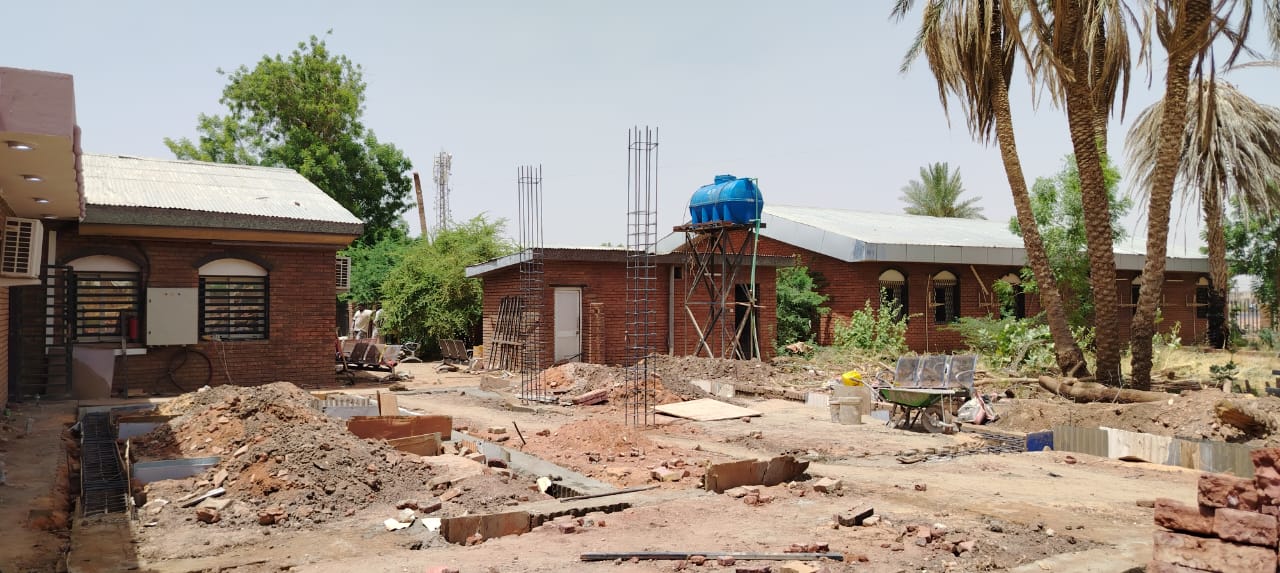
The outpatient consultation suites are designed to handle high daily patient influxes, allowing multidisciplinary teams of surgeons, radiologists, pathologists, and infectious disease specialists to perform rapid bedside evaluations and staging, while specialised rooms configured for individual patient consultations, clinical photography, and long-term therapeutic monitoring support patients on extended antifungal or antibiotic regimens.
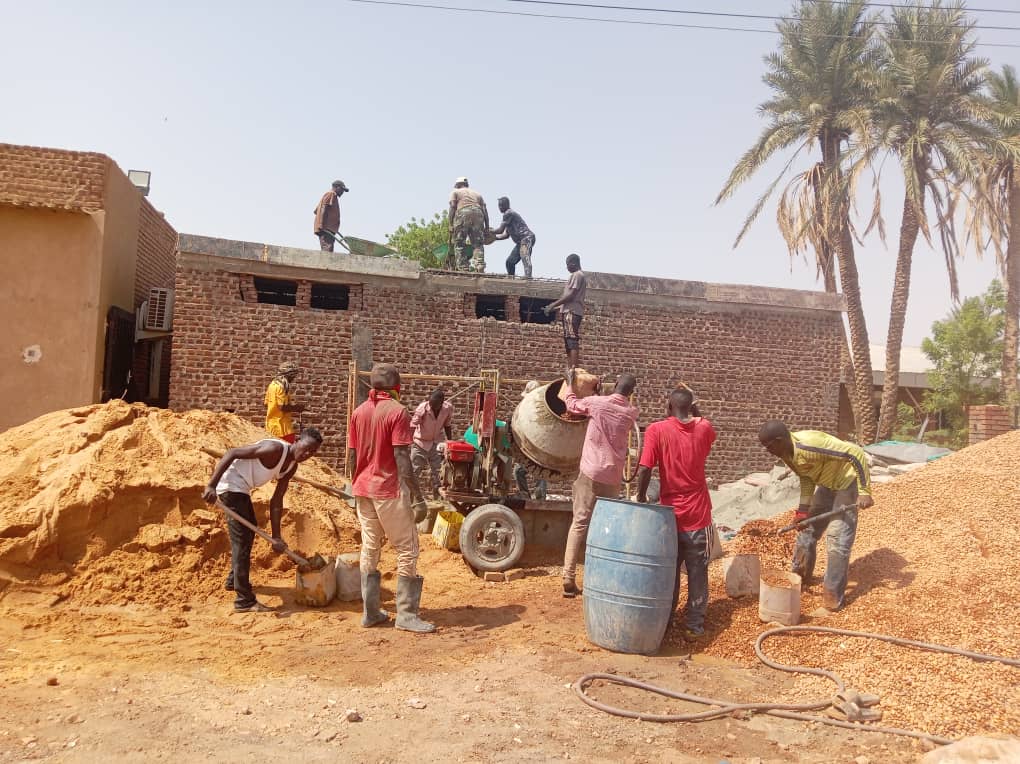
Complementing these suites, a minor operating theatre provides a dedicated surgical suite equipped with modern autoclaving, lighting, and sterile instrumentation for minor surgical procedures, facilitating rapid diagnostic tissue collection, direct grain extraction for microbiological verification, and localised lesion debridements under general or spinal anaesthesia to eliminate long waiting times for major operating rooms.
To ensure therapeutic continuity, an integrated dispensing pharmacy features a dedicated storage and distribution unit that guarantees uninterrupted access to long-term systemic therapies, including itraconazole and broad-spectrum antibiotic combinations, and remains fully stocked with specialised dressing materials, antiseptic solutions, and analgesics necessary for daily local wound management and pain control.
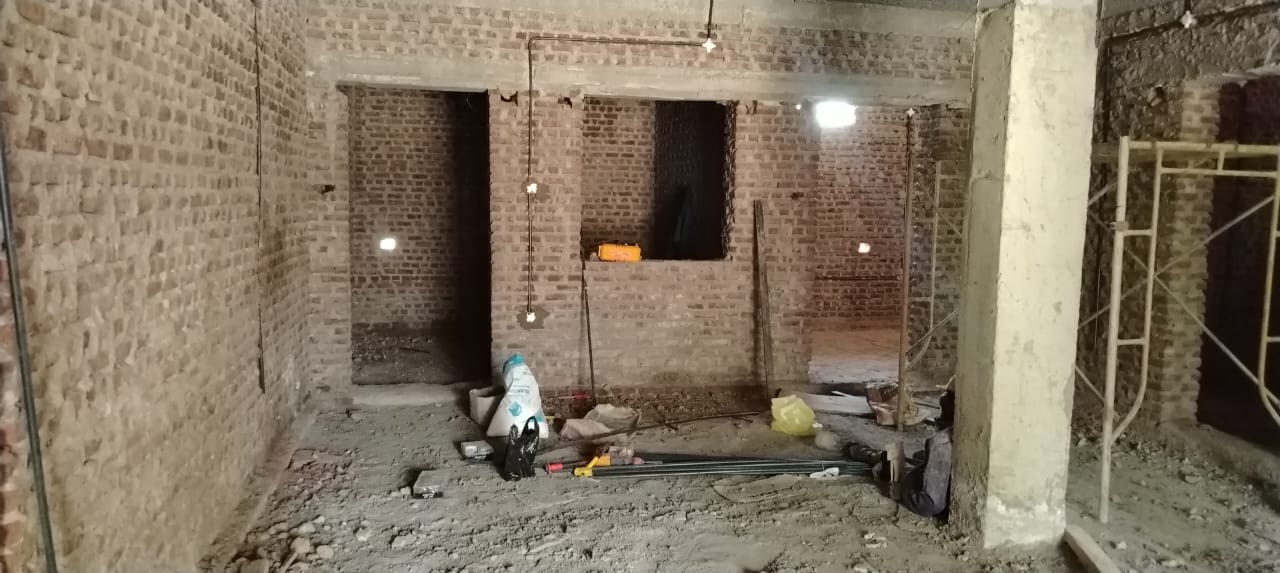
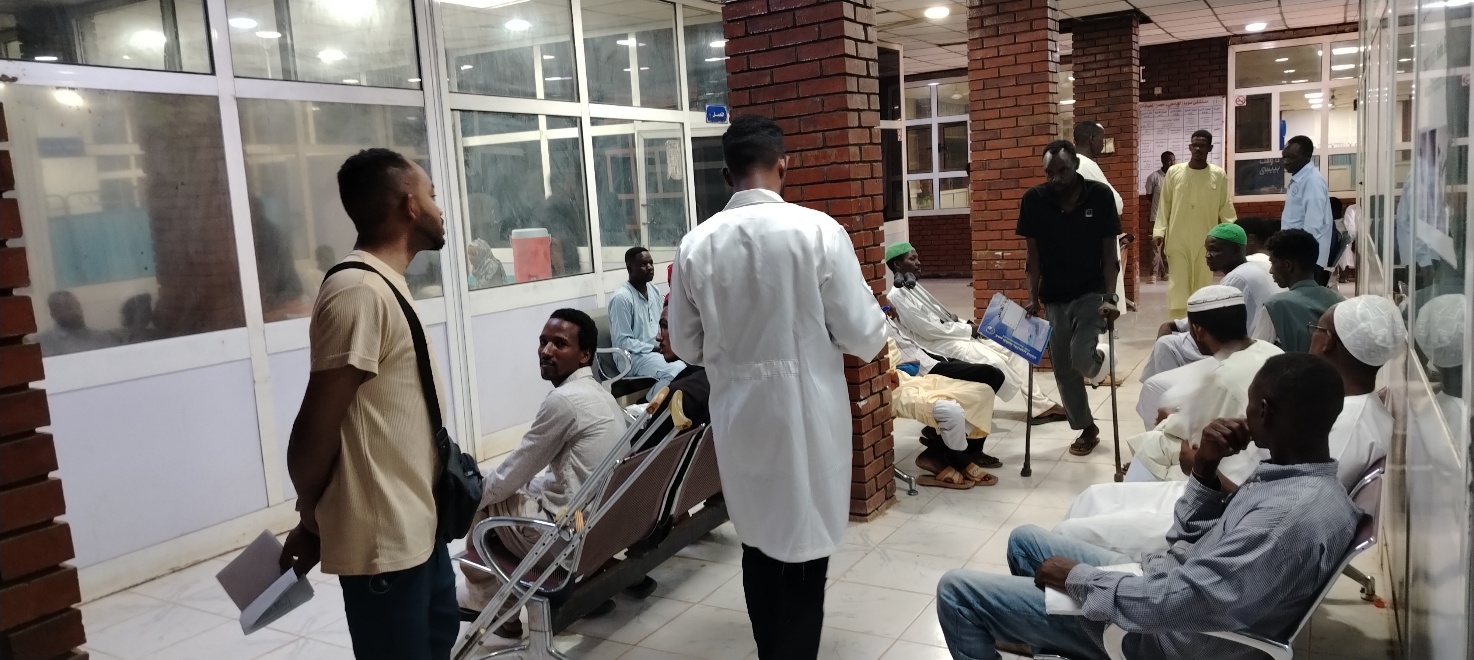
Finally, a climate-conscious patient waiting area offers a spacious, sheltered, well-ventilated zone designed to provide comfort and protection from environmental extremes for patients and families travelling long distances from rural states, serving as a safe, non-judgmental community space where patients can interact, receive peer support, and participate in pre-consultation health education sessions.
Specialised Medical Ambulance and Emergency Logistics
Complementing the physical outpatient facility, donating a specialised medical ambulance adds a vital mobile link to the MRC’s clinical and community outreach framework, addressing delays in seeking care or accessing emergency transport that often lead to severe, life-threatening complications.
Operationally, the vehicle facilitates rapid, safe emergency medical transport for patients presenting with severe secondary bacterial infections, acute cellulitis, sepsis, or advanced tissue necrosis requiring urgent inpatient admission or emergency surgical intervention.
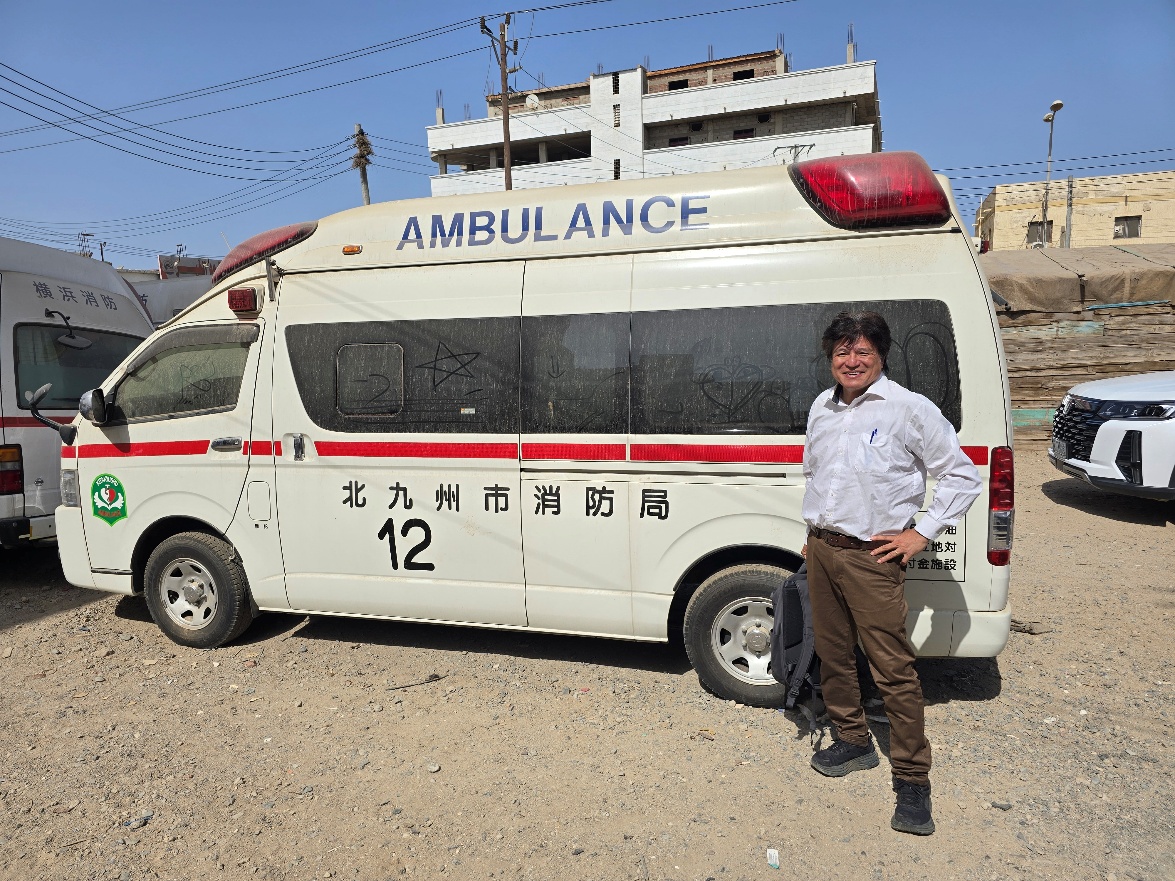
Furthermore, it strengthens community field outreach and referral linkages by serving as a mobile logistics vector connecting rural door-to-door field screening teams directly to the tertiary center, ensuring immobilised or impoverished patients receive prompt transport.
Finally, the ambulance guarantees secure, monitored inter-hospital and radiological transfers for surgical candidates requiring specialised off-site imaging such as MRI or CT scans for bone invasion staging or tertiary orthopaedic care.
- Socio-economic, Clinical, and Broader Humanitarian Impact
The dual contribution by Rocinantes NGO Japan delivers immediate clinical relief while laying the groundwork for long-term health system resilience in post-conflict Sudan by addressing key bottlenecks that emerged after April 2023. On facility access and capacity, the project addresses severely damaged infrastructure and limited consultation space by restoring dedicated, high-capacity outpatient suites and minor surgical facilities.
To improve diagnostic timelines that were previously plagued by delayed biopsy and grain processing due to a lack of sterile suites, it enables immediate on-site minor theatre extractions and point-of-care diagnostics.
In terms of emergency logistics, it solves the total absence of specialised transport for immobilised patients through a dedicated ambulance for emergency transfers, sepsis management, and field referrals. For therapeutic continuity, where drug supplies were previously interrupted and dedicated dispensing areas were lacking, the integrated pharmacy ensures continuous access to specialised antifungal and antibacterial drugs. Finally, to protect patient dignity and support, the initiative replaces overcrowded, temporary waiting areas that caused distress with a spacious, climate-conscious waiting complex that fosters peer support and education.
Preventing Physical Disability and Amputation
By restoring early diagnostic and minor surgical capacity, the center can detect and treat mycetoma in its initial nodular stages. Early medical and minor surgical intervention prevents deep fascial invasion, extensive osteolysis, and irreversible bone destruction, ultimately reducing the necessity for radical limb amputations.
Mitigating Economic Vulnerability and Social Stigma
Mycetoma predominantly afflicts young, economically active individuals in rural agricultural settings. Preventing disability enables patients to maintain mobility, remain in the workforce, and support their households, breaking the cycle of disease-induced poverty. Furthermore, providing dignified clinical spaces and effective treatment directly combats the profound social isolation, depression, and stigma historically associated with visible physical deformities.
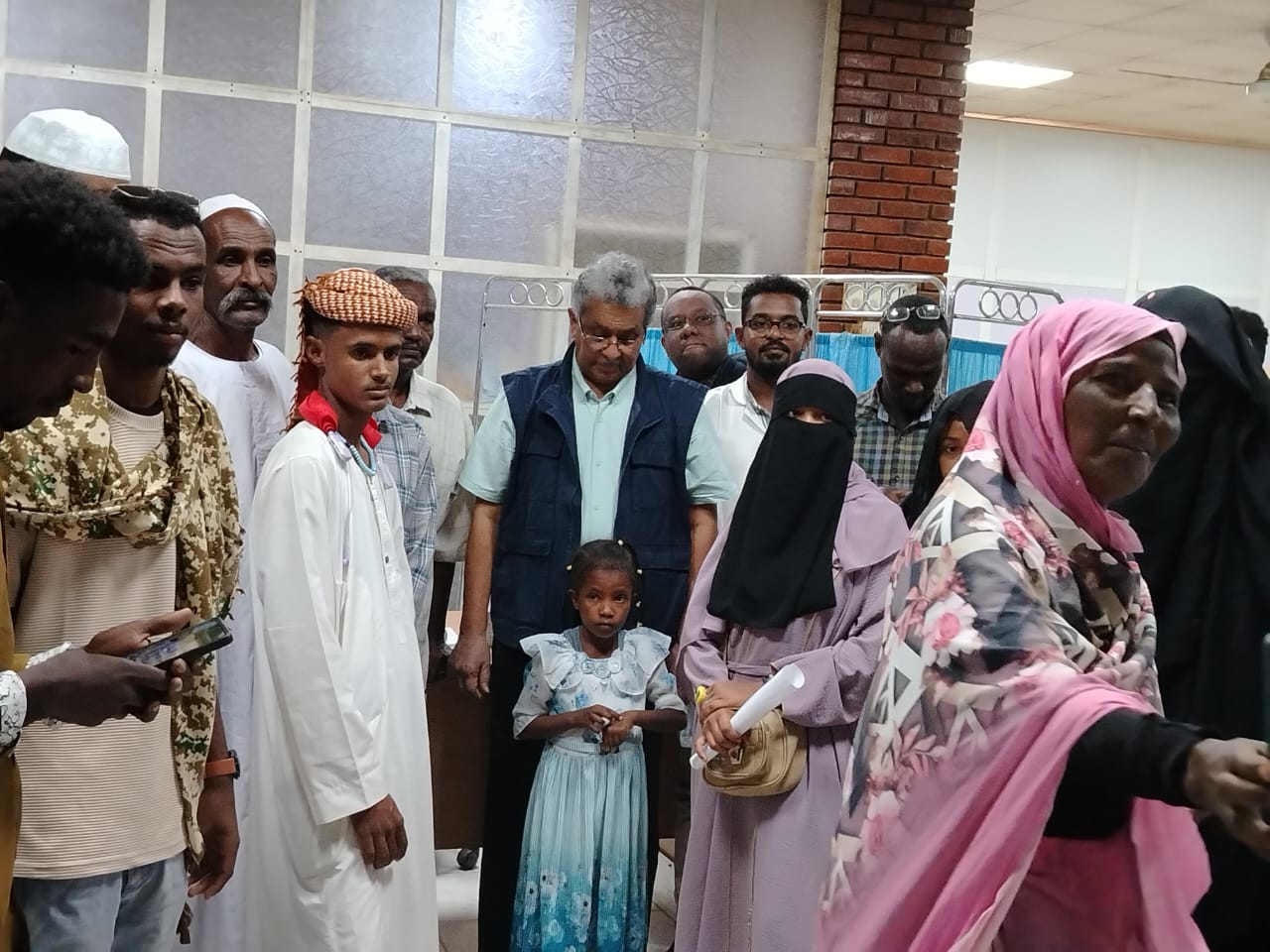
A Model for International Health Collaboration
The strategic partnership between the Mycetoma Research Centre and Rocinantes NGO Japan is an exemplary model of international humanitarian collaboration during national crises. It demonstrates how targeted, high-impact investments in specialised clinical infrastructure and patient logistics can rapidly restore essential health services, safeguard vulnerable populations, and rebuild hope for communities affected by neglected tropical diseases.