MSF Belgium and Mycetoma Research Center Join Forces to Revolutionise Mycetoma Patient Care, Drug Supply, and Field Operations Across Sudan
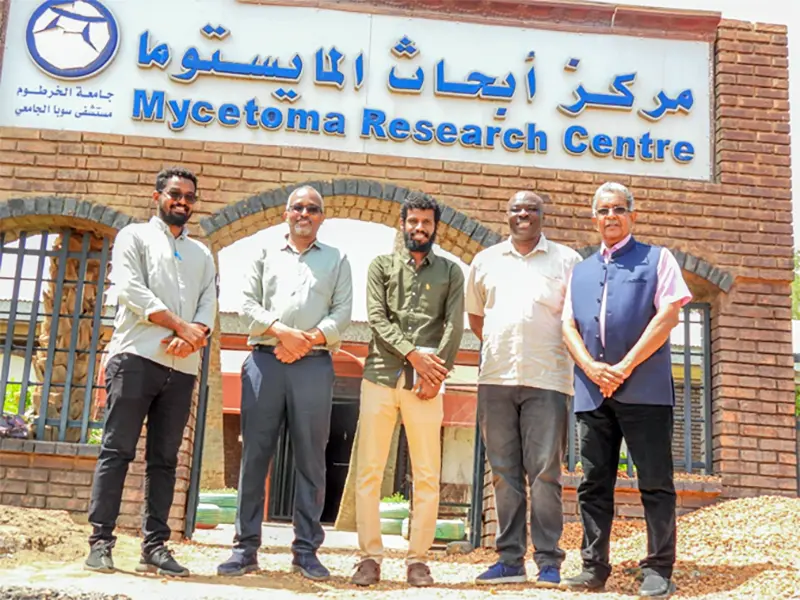
Khartoum, Sudan — August 17, 2026 — In a momentous step toward tackling one of the world’s most devastating neglected tropical diseases, a high-level humanitarian leadership delegation from Médecins Sans Frontières (MSF) Belgium, led directly by Dr Thotho Kolombo, Country Medical Coordinator for MSF Belgium and Dr Elsadig Ahmed, Deputy Country Medical Coordinator for MSF belgium conducted an extensive official institutional visit to the Mycetoma Research Center at the University of Khartoum to seal a comprehensive collaborative partnership aimed at dramatically expanding clinical care, emergency medication access, surgical wound management, and operational support for mycetoma affected individuals throughout Sudan.
This strategic alliance represents a vital convergence of international humanitarian field logistics and cutting-edge academic medicine, designed specifically to dismantle the immense clinical, economic, and social burdens borne by patients suffering from mycetoma, a destructive, chronic inflammatory condition that causes severe tissue destruction, limb deformities, physical disability, and extreme social stigmatisation among rural and impoverished communities.
The cornerstone of this historic partnership focuses on establishing an emergency supply chain for essential, high-cost medical therapies, guaranteeing that underprivileged and financially vulnerable patients receive consistent access to vital antifungal and antibacterial regimens over prolonged treatment periods without the risk of catastrophic out-of-pocket expenses or forced treatment abandonment.
Beyond pharmacological intervention, the joint initiative provides an immediate injection of specialised surgical consumables, advanced moisture-retentive wound dressings, sterile bandaging supplies, and antiseptic solutions tailored to manage extensive, discharging sinus tracts, chronic lesions and wounds, and complex secondary bacterial superinfections. Recognising that effective clinical care relies entirely on resilient medical personnel,
MSF Belgium is further extending direct operational and logistical financial support to MRC clinical staff, laboratory technicians, nursing teams, and field epidemiology officers, thereby sustaining uninterrupted daily outpatient operations, specialised diagnostic services, and community outreach programmes despite complex regional infrastructure challenges.
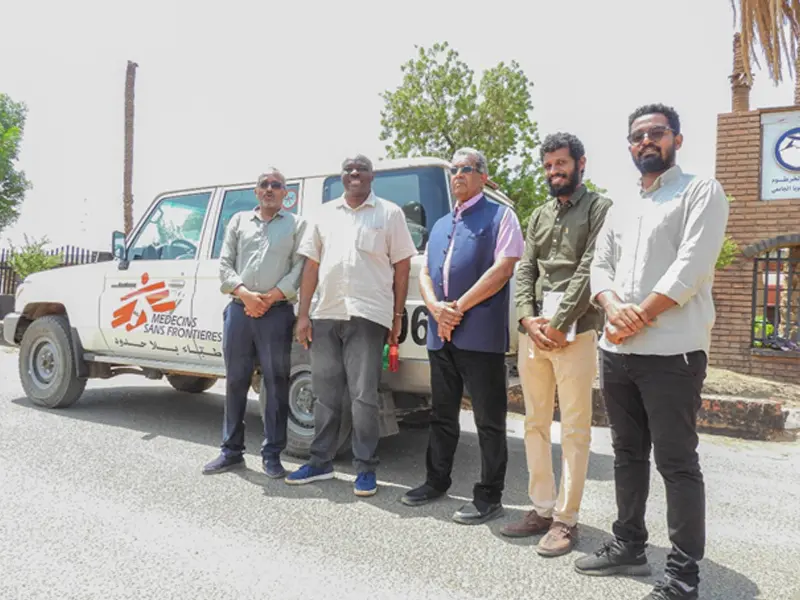
Several plans were discussed, which include a partnership that directly integrates MSF’s vast rural healthcare distribution network and mobile clinical units with the MRC’s innovative Point-of-Care Ultrasonography diagnostic protocols, drastically shortening the time between initial symptom onset and definitive diagnosis by enabling early bedside detection and rapid hospital referral in remote, hard-to-reach endemic villages.
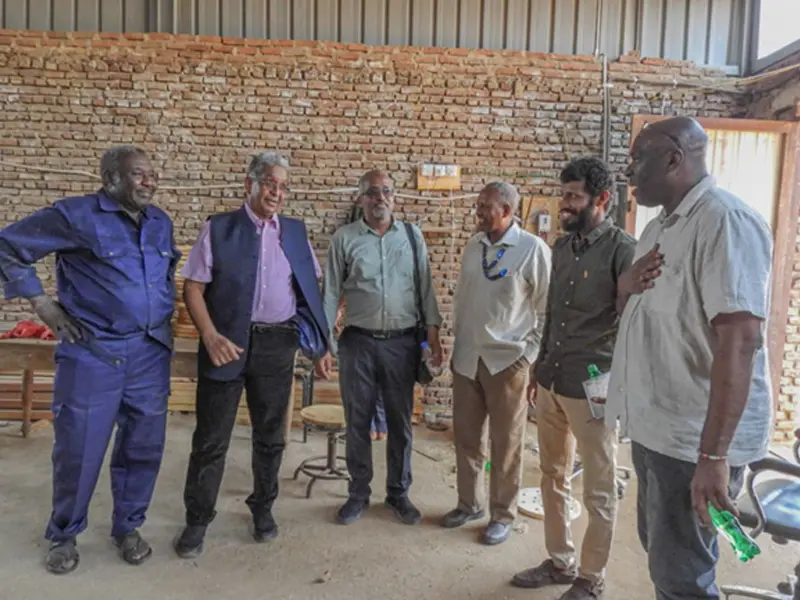
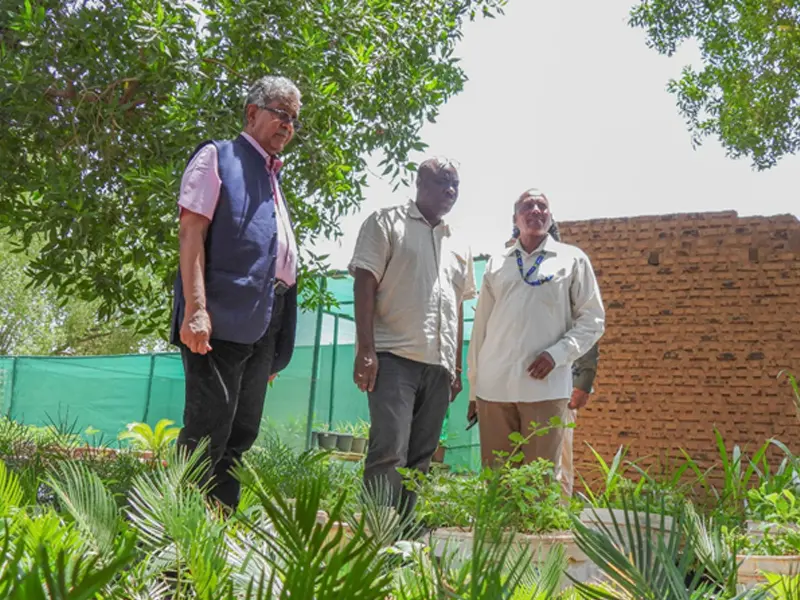
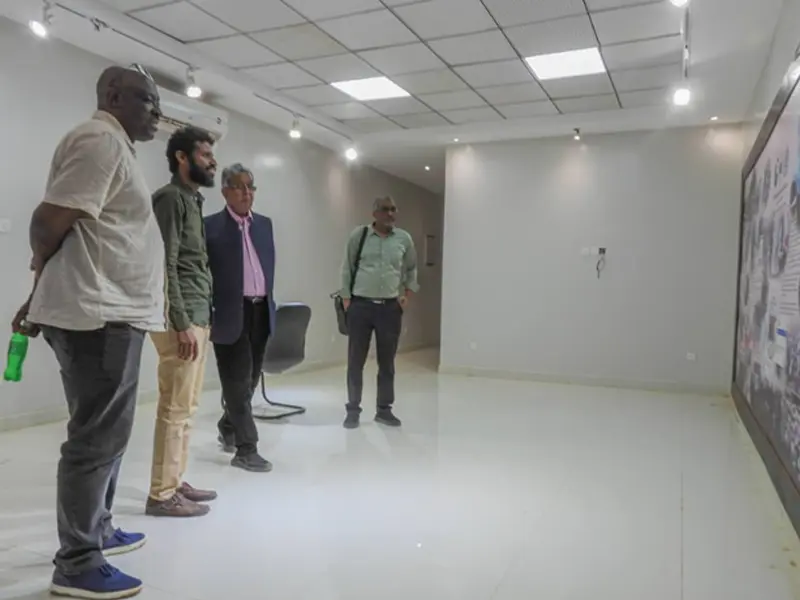
During their comprehensive inspection of the MRC, which serves as the global World Health Organisation Collaborating Centre on Mycetoma, the MSF Belgium delegation toured specialised departments and engaged in direct discussions with attending specialists, research scholars, and SAAI’D trainees. Both organisational leaderships concluded the visit by reaffirming their shared, uncompromising commitment to leveraging MSF’s global emergency response apparatus alongside the MRC’s world-class scientific authority to eliminate preventable limb amputations, drastically reduce patient morbidity, restore human dignity, and establish a scalable, community-centered model for neglected tropical disease management across the African continent.