Breaking the Silence: Decades of Grit, Hope, and the Quest for a Mycetoma Cure
The Sanctuary in the Desert
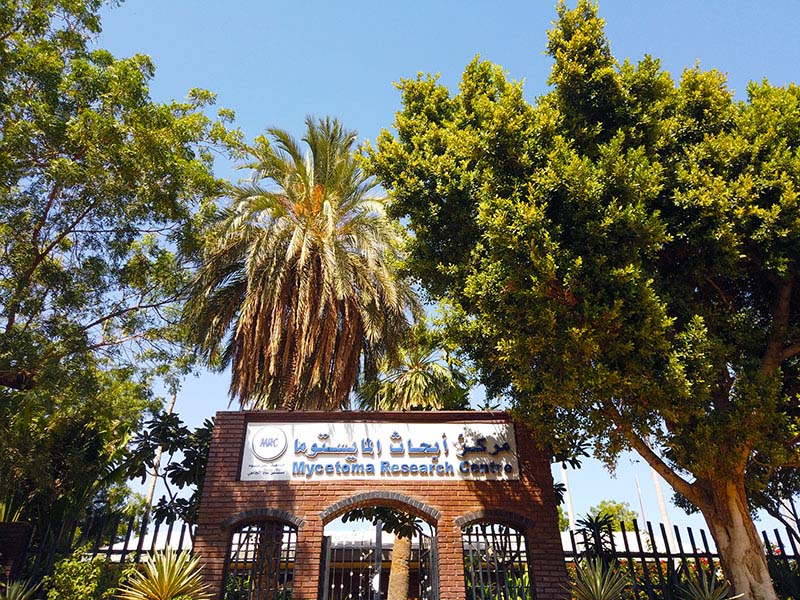
Established in 1991 at Soba University Hospital, University of Khartoum, the Mycetoma Research Centre (MRC) began amid a stark paradox: inside our clinic, we faced immense human suffering; beyond our walls, the world looked away. While our corridors echoed with the quiet weeping of patients watching their limbs and livelihoods slowly consumed by an unrelenting pathogen, the global health architecture remained completely silent. It was a disease that existed entirely in the blind spot of modern medicine, thriving in the poorest, most arid regions, safely out of sight of those with the power to change it.
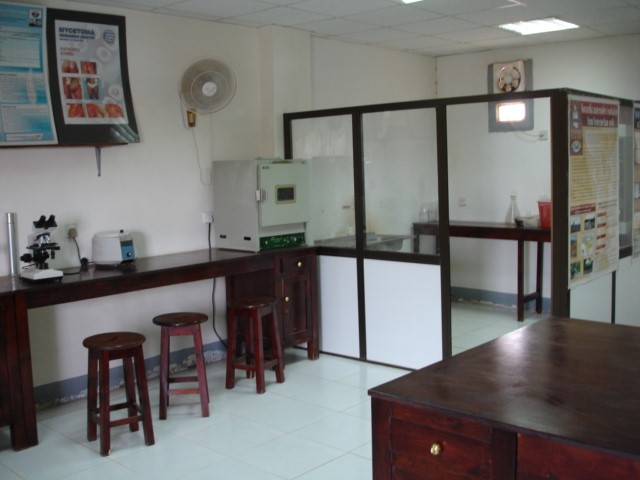
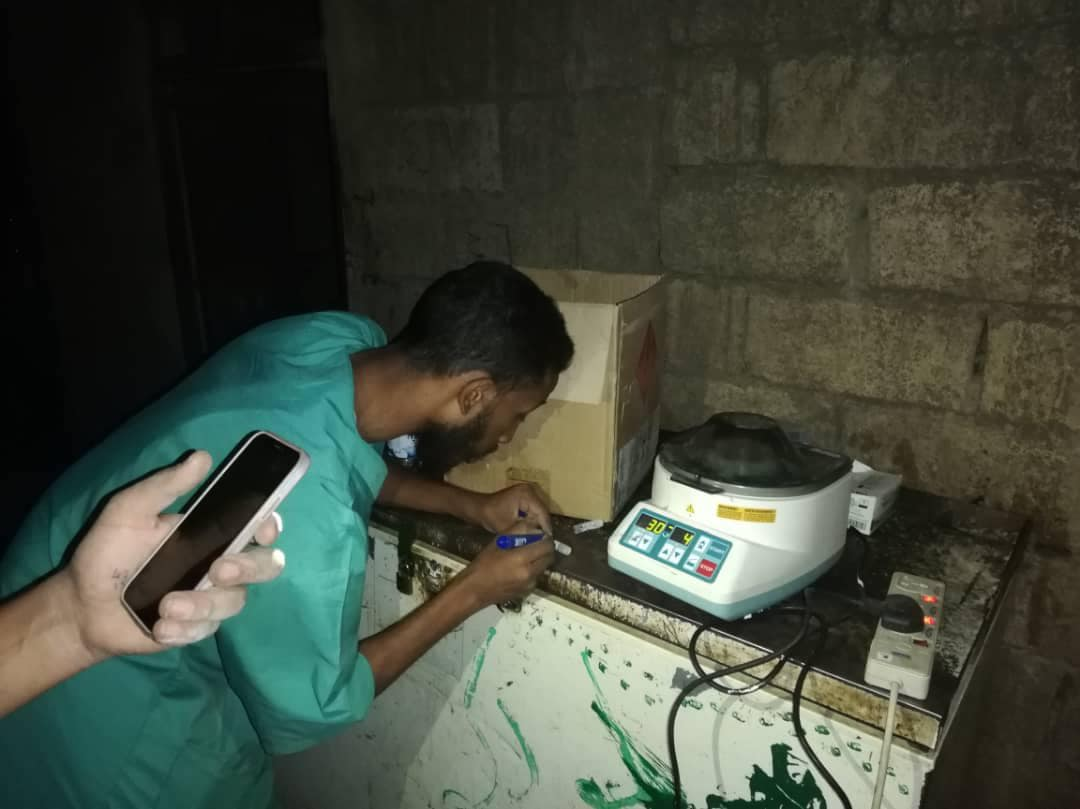
The MRC was born from resilience and moral necessity, not institutional planning. We started with no budget, staff, or infrastructure. There were no grants, no corporate sponsorships, and no specialised equipment awaiting us. Our only assets were a foundational layer of clinical experience, a massive reservoir of passion, and an unyielding hope to support our patients. We were a handful of clinicians armed with little more than notebooks, basic surgical tools, and a refusal to accept that these patients were destined to be forgotten. Every desk, every chair, and every diagnostic protocol had to be bargained for or built from scratch.
The Reality of the One-Room Clinic
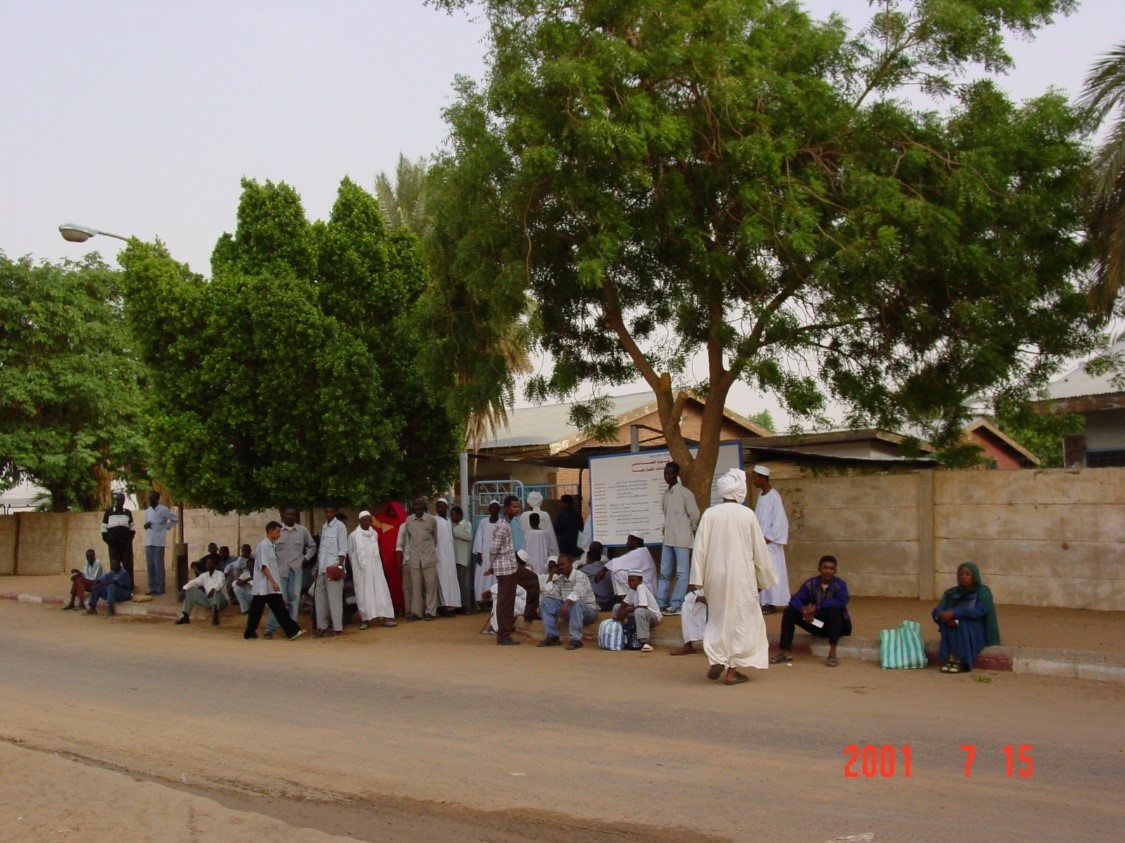
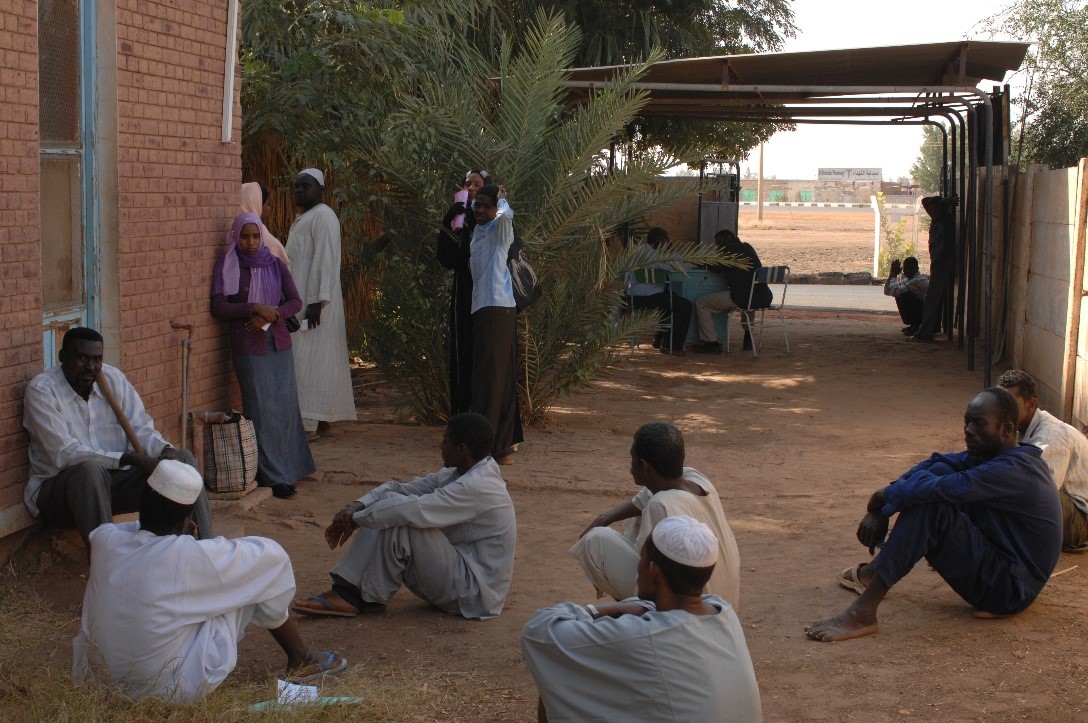
At the time, our clinic was a single, modest, and severely overcrowded room. This cramped space served simultaneously as an examination room, a counselling area, a registry, and a refuge. It was constantly filled with young adults and children presenting with advanced stages of mycetoma. Because there was no public awareness or peripheral diagnostic capacity, patients did not arrive with early, manageable nodules. Instead, they arrived with massive, woody, deformed limbs riddled with discharging sinuses that wept characteristic mycetoma grains.
These patients arrived bearing every conceivable disease complication, from profound secondary bacterial infections, chronic anaemia and stigma to permanent skeletal destruction where the microorganism had literally dissolved the bone. Alongside the natural progression of the disease, we routinely confronted severe drug toxicities and side effects from the primitive, high-dose therapies of the era, medications that ravaged the patients’ livers and kidneys long before they ever reached the deep-seated mycetoma mass.
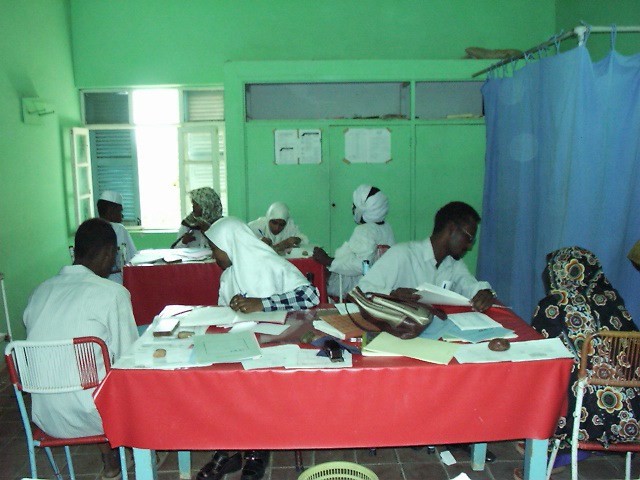
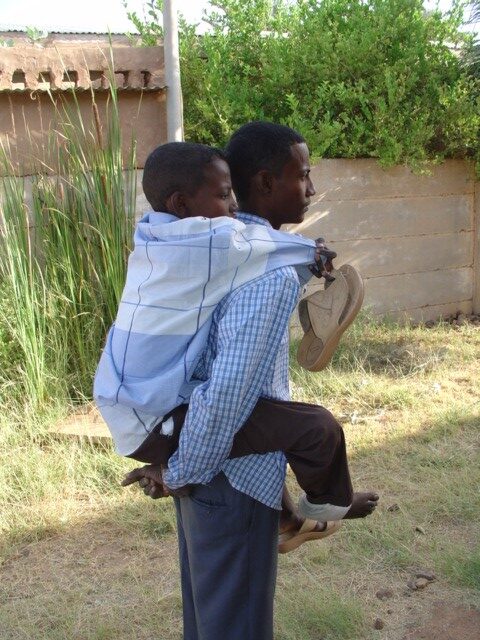
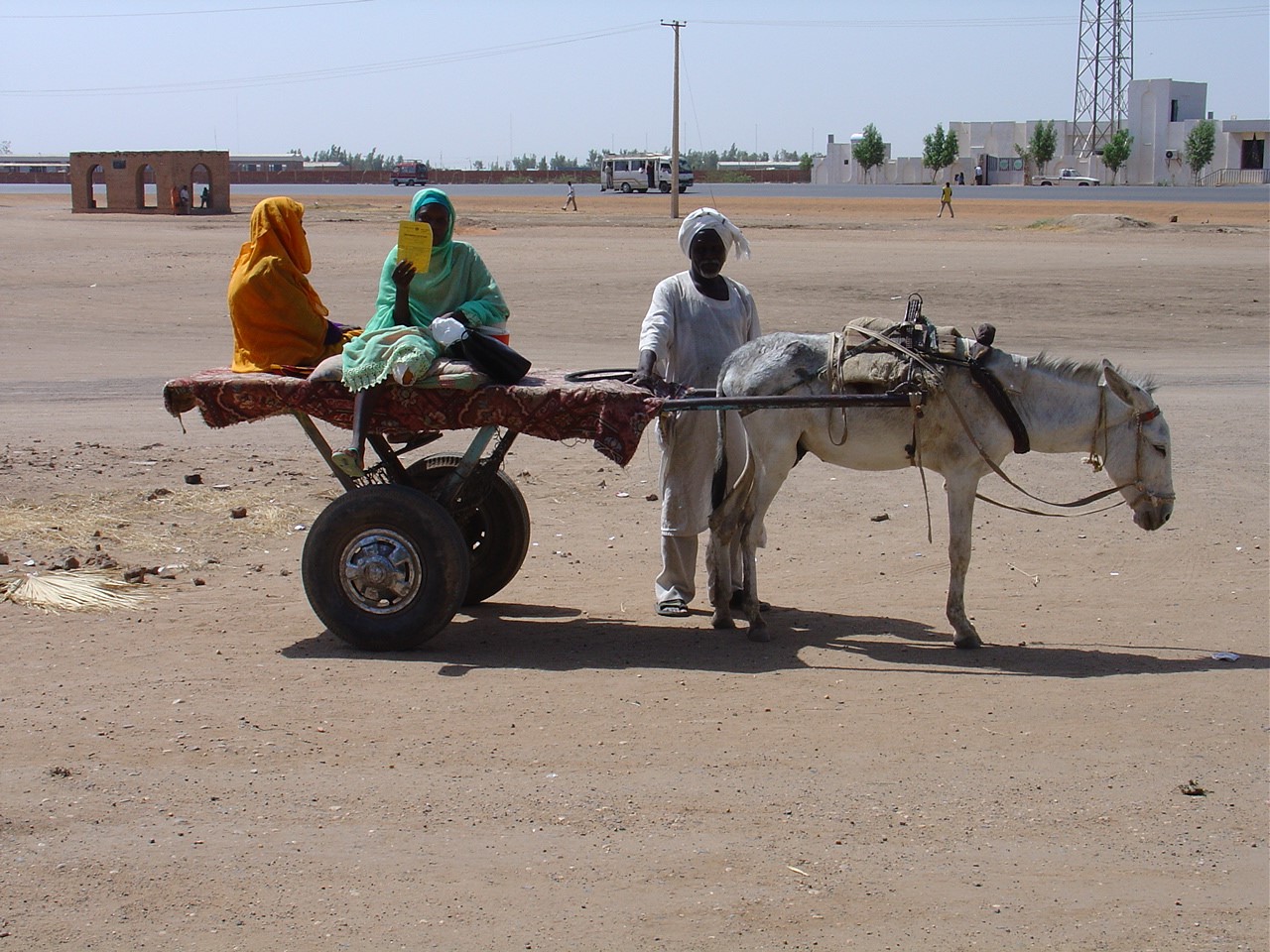
They came from the country’s farthest reaches, remote villages in Gezira, the shifting sands of Kordofan, the conflict-scarred landscapes of Darfur, and even neighbouring countries, undertaking agonising journeys on foot, by donkey, or atop crowded cargo trucks just to reach us in Khartoum. They sold their livestock, mortgaged their small farms, and exhausted their family’s entire life savings just to pay for the journey, arriving at our doorstep completely destitute.
Tragically, the tools available to us then allowed for only the most minimal care. We had no targeted antifungals, no point-of-care molecular diagnostics, and no advanced imaging. We could offer them only months of broad, poorly tolerated medications that we often had to source through charity, or the devastating option of a radical surgical amputation. This baseline reality left many patients deeply disappointed; they had risked everything expecting a miracle cure, only to find a team as structurally impoverished as they were.
“When the choice we offered was a toxic drug they could not afford or a hacksaw to remove their leg, it was entirely understandable why traditional medicine became their only viable alternative.”
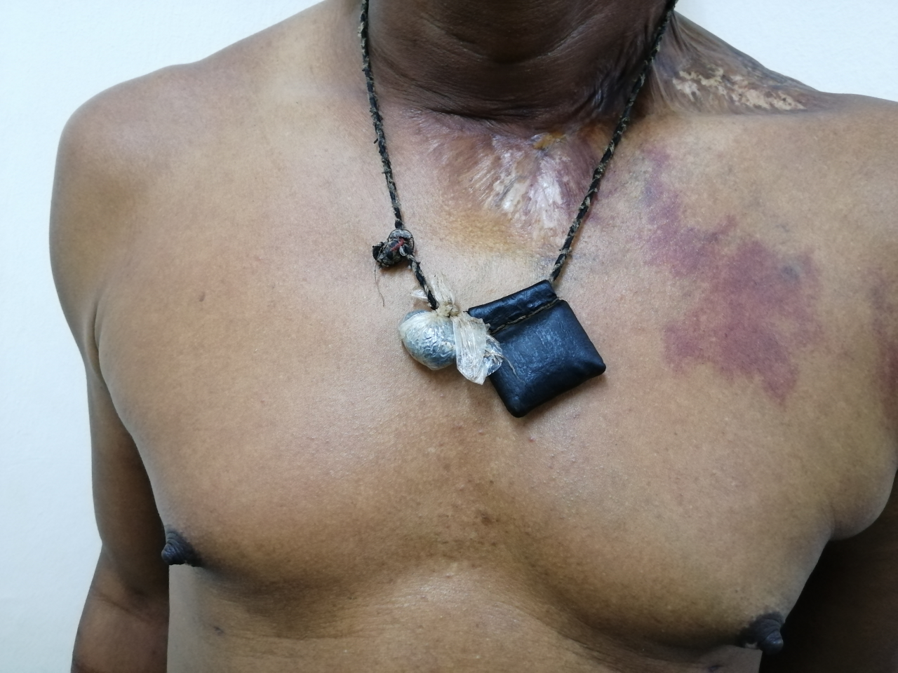
They would return to their villages to apply caustic herbal poultices, burning irons, or local herbs, which frequently accelerated tissue necrosis and brought them back to us months later in even worse condition.
Surviving the Academic and Scientific Wilderness
We operated in a scientific and clinical desert. Mycetoma was not merely neglected; it was practically invisible to global health agendas, international funding agencies, and pharmaceutical development pipelines. It did not fit into the high-profile portfolios of the big three: HIV, Tuberculosis, and Malaria, nor did it possess the commercial market potential to interest multinational pharmaceutical companies. To write a grant proposal for mycetoma in those decades was an exercise in profound frustration. We spent countless hours meticulously documenting cases, compiling epidemiological charts, and typing out proposals on old typewriters, only to receive boilerplate rejections stating that the disease was too localised, too rare, or too poorly defined to warrant global investment.
Recalling those foundational years brings back a bittersweet mix of quiet anxiety and relentless determination. The anxiety was a heavy, daily weight, the constant fear that we would run out of basic supplies, that the hospital would reallocate our single room, or that we would have to look into the eyes of yet another young parent or teenager and tell them we had nothing left to give. But that anxiety was consistently overridden by a fierce, stubborn determination.
Every rejection letter we received from a journal or a funding body only hardened our resolve to gather better data, write tighter papers, and shout louder on behalf of our patients. We realised early on that if we did not document this disease, no one else would. It was this absolute certainty that our patients’ lives had intrinsic value and that science was our only weapon to prove it to the world that kept the lights on in that single, overcrowded room during our longest, darkest decades.
The Early Clinical Reality: Heartbreakingly Limited
As a pathology primarily confined to socioeconomically marginalised populations, mycetoma offered no viable market return to stimulate industrial drug development. This commercial disincentive was compounded by institutional omission, as global funding bodies lacked dedicated administrative pathways or priority designations for the condition. Consequently, extensive efforts to secure competitive research grants routinely culminated in rejection, under the recurring administrative rationale that the epidemiological footprint was either too geographically restricted or inadequately quantified to warrant substantial resource allocation.
Furthermore, our hands were tied by a devastatingly narrow triad of tools:
- Crude Diagnostics: Diagnostic capacity relied heavily on basic clinical suspicion and invasive biopsies.
- Poor Treatments: The available medications were highly toxic, required months or years of administration, and were prohibitively expensive for our patients. Even then, the health authorities documented cure rates below 35%.
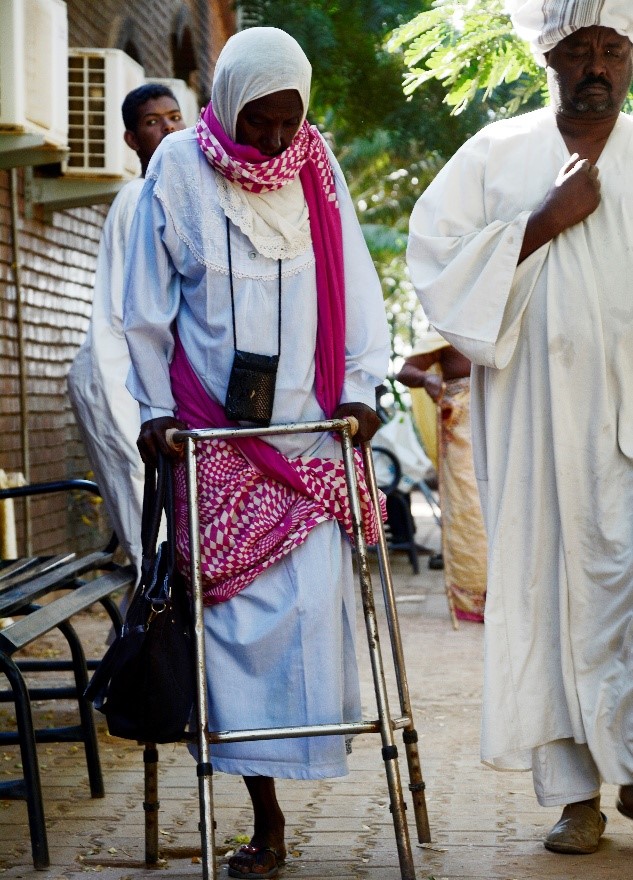
- Devastating Outcomes: For many, the ultimate “cure” we had to offer was radical surgical amputation, a life-altering disability in rural communities where physical labour is survival.
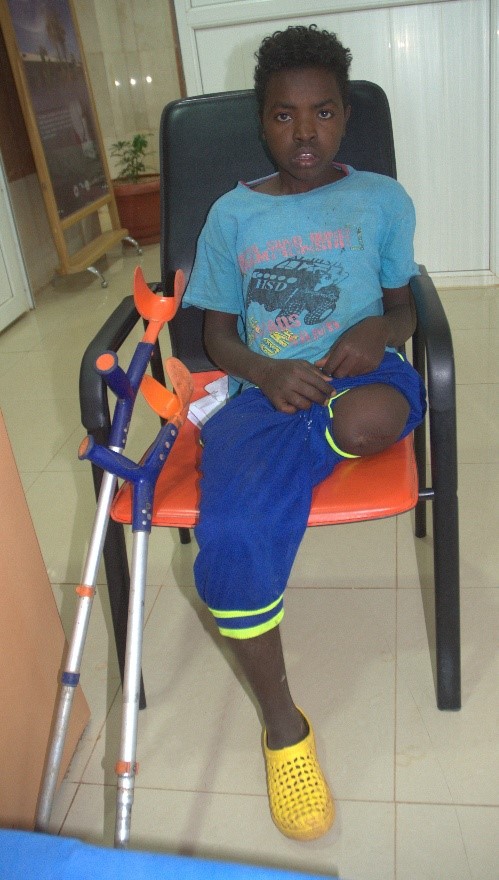
with lifelong misery.
What Kept the Science and Clinical Care Alive?
When there is no listing, no dedicated global funding, and very little outside interest, survival relies entirely on human certainty. Three core pillars kept our doors open and our research moving forward:
- The Duty of Care to the Patients
Above all, it was the patients themselves. When a young person walks into your clinic with a severely deformed limb, asking only for a chance to walk, work, and hold their head high in their community, you cannot turn them away. Their resilience compelled us. We made a strict commitment early on: no patient would be turned away for an inability to pay. When institutional funds were nonexistent, team members, local donors, and community volunteers scraped together resources to cover meals, medicines, and surgical costs.
- Building a Holistic “Centre without Walls” Model
We quickly realised that waiting for patients to arrive in Khartoum with terminal-stage disease was a losing battle. To keep the science relevant, we transformed the MRC into an integrated clinical, research, and social sanctuary. We combined bedside care with local field missions, going directly into endemic villages to conduct screenings, offer early diagnosis and treatment, and provide health education.
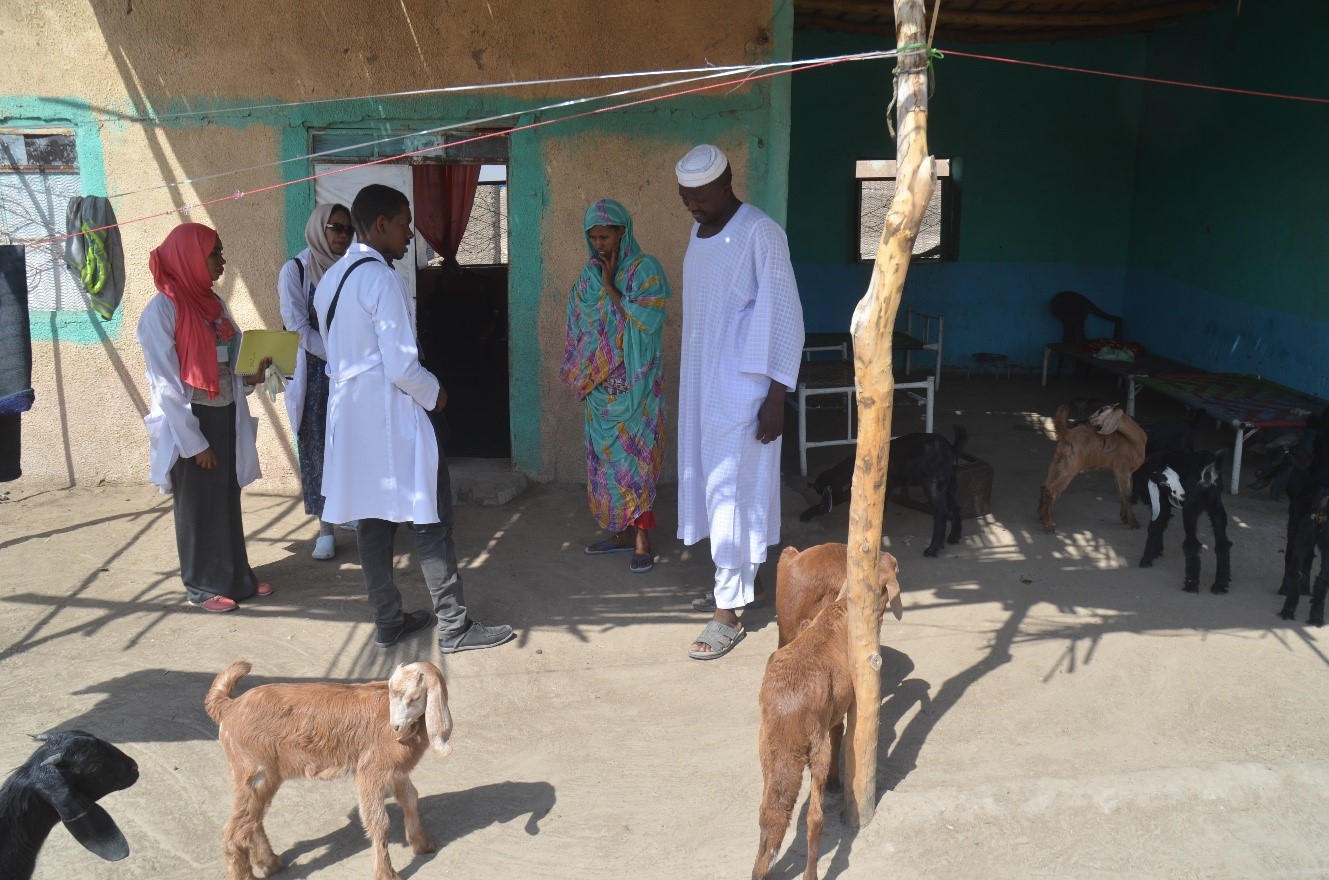
at an endemic village in White Nile State
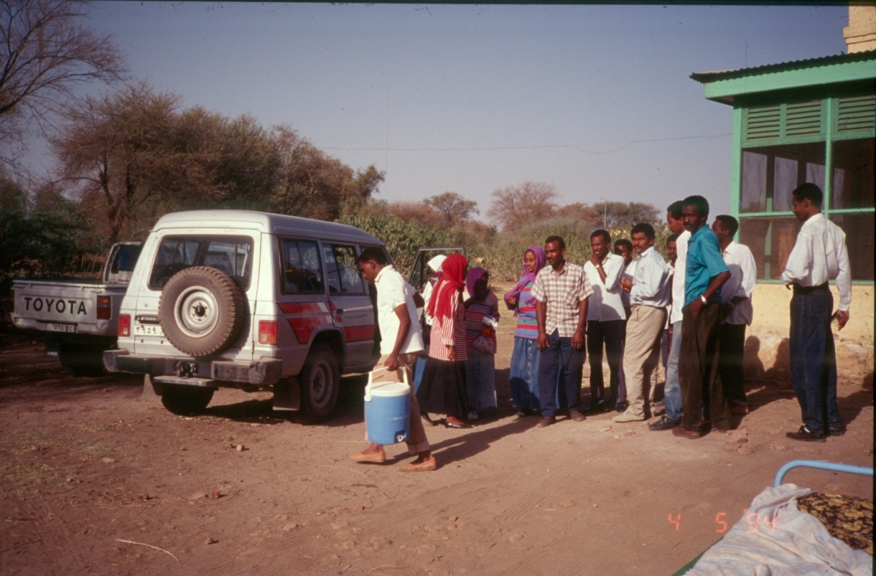
Abu Gouta area in 1994
Furthermore, we established the Mycetoma Vocational and Entrepreneurship Training Centre to teach patients handicrafts, tailoring, bakery and leatherwork, ensuring that even those who suffered amputations could regain economic independence and dignity.
- Resourcefulness and Uncompromising Passion in Science
Without million-dollar research grants, we had to be remarkably resourceful. We leveraged every collaboration we could find, building informal networks with passionate researchers globally who were willing to analyse samples, share reagents, or co-author papers simply out of scientific curiosity and shared humanity. Every small breakthrough, a better diagnostic PCR protocol, a clearer understanding of the epidemiology of local causative microorganisms, or an optimised surgical margin, was a hard-won victory that kept our scientific momentum alive.
The Turning Point
Those decades of persistent documentation, rigorous epidemiological data collection, and unyielding advocacy eventually created a body of evidence that global health institutions could no longer ignore.
When the World Health Assembly finally added mycetoma to the official list of Neglected Tropical Diseases (NTDs) in May 2016, it wasn’t just a political victory; it was a validation of every patient who had suffered in silence and every researcher who had worked in the dark for decades. It opened doors to international clinical trials, novel antifungal research, and global recognition.
Looking back, those early years taught us that medicine isn’t just about high-tech laboratories and abundant budgets; it is fundamentally about presence, perseverance, and standing alongside those whom the rest of the world has forgotten until the light finally catches up.
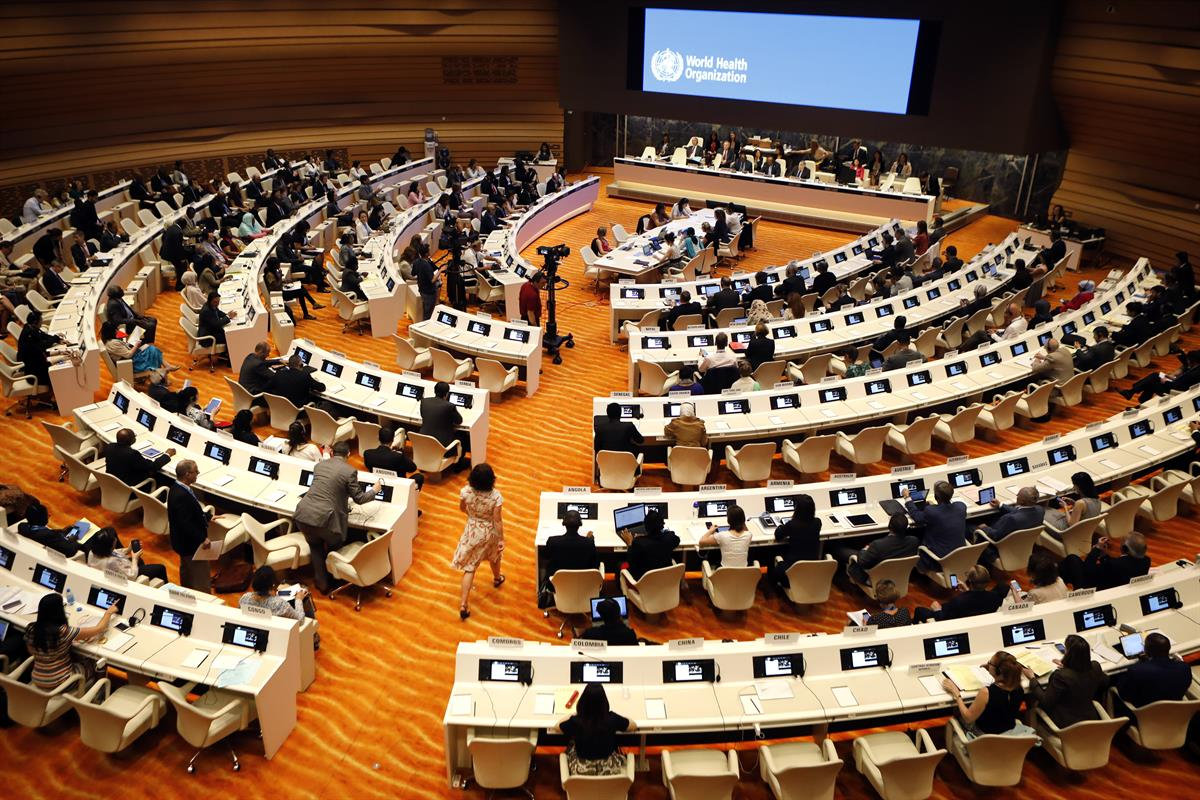
Neglected Tropical Diseases (NTDs) in May 2016
Looking Ahead: The Single Hardest Problem Remaining
Looking ahead over the next decade, the single hardest problem in mycetoma, the issue that frustrates clinicians in the operating theatre, challenges scientists in the lab, and breaks hearts in the clinic, is the fundamental lack of a short, non-surgical, curative medical therapy for mycetoma.
Despite decades of progress, including global recognition and landmark clinical trials, we are still trapped in a paradigm where treating mycetoma requires 12 months or more of expensive, potentially toxic daily or weekly drugs, almost always combined with invasive, destructive surgery.
A Challenge on Multiple Fronts
To understand why this problem continues to trouble researchers, we must examine how it appears in every setting:
In the Clinic (Adherence and Delayed Care): Current treatment requires a full year of therapy. Because mycetoma mainly affects impoverished rural agricultural workers who must travel long distances for care, dropout rates remain high. A 12-month regimen is especially fragile in vulnerable communities; when financial or logistical barriers arise, patients default, increasing the risk of drug resistance and recurrence.
In the Laboratory (The Grain’s Biological Shield): Madurella mycetomatis does not appear in human tissue as simple single cells. It forms dense, pigmented fungal grains enclosed in a complex extracellular matrix and cement-like material. This structure acts as a biological shield, limiting drug penetration and provoking a strong fibrotic response that isolates the pathogen from the bloodstream.
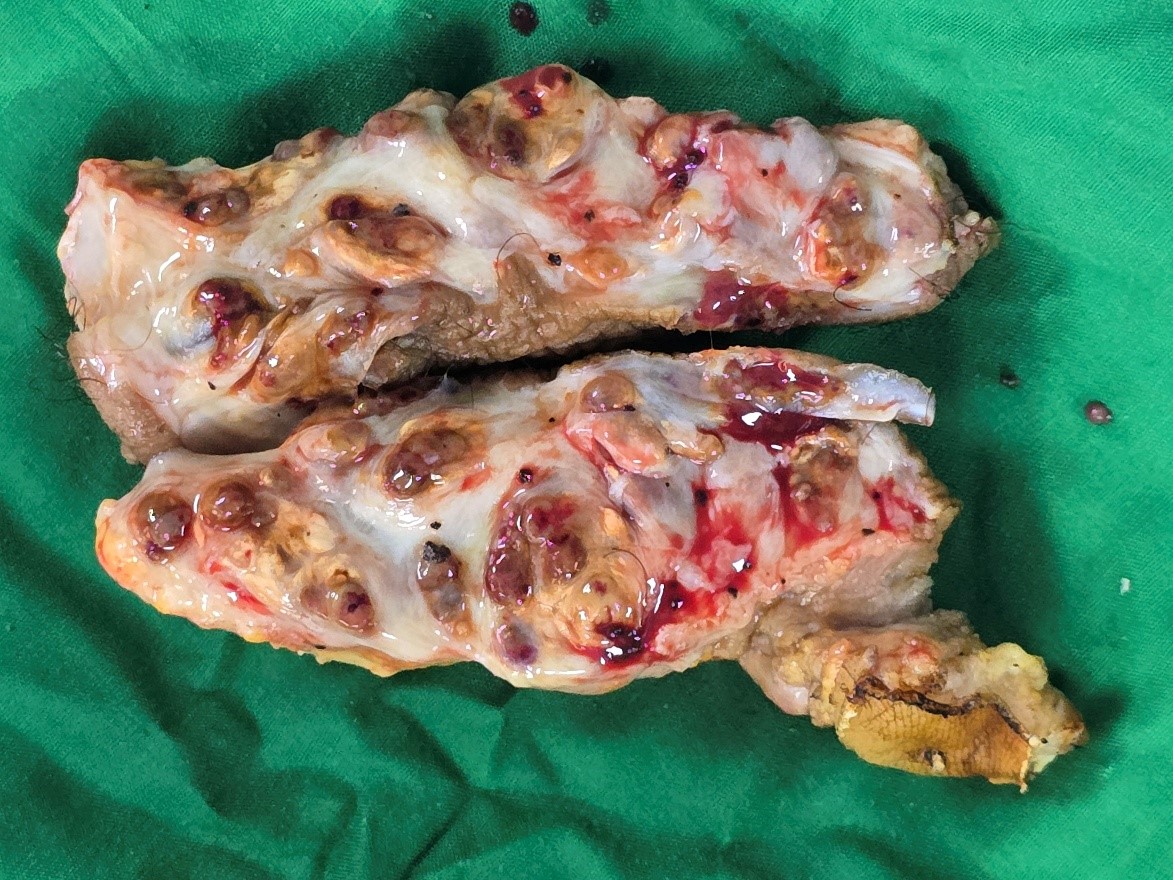
In the Operating Theatre (Surgical Seeding): Because medical therapy alone rarely eliminates the fungus, surgery is often unavoidable. Yet removing a chronic fungal mass from a foot or hand is like crossing a minefield: its margins are usually unclear, and micro-grains can spill into nearby healthy tissue, causing rapid recurrence and repeated operations that may ultimately end in radical amputation.
What Will It Genuinely Take to Solve It?
Solving these issues over the next 10 years requires a fundamental shift across three major pillars:
- Unlocking Novel Antifungal Mechanisms & Grain Disruption:
We need new chemical entities with mechanisms of action distinct from traditional azoles. Science must focus on grain-penetrating compounds that break down the extracellular cement, paired with synergistic combination therapies to dissolve fibrosis. Reducing the total treatment duration to 8–12 weeks would improve compliance and eliminate the vast majority of dropouts.
- Truly Universal Field-Friendly Rapid Diagnostics:
We cannot treat what we diagnose late. Over 80% of mycetoma patients still present with moderate to severe disease because early-stage mycetoma resembles a benign cyst or painless bump. We need a low-cost Point-of-Care diagnostic test, such as a lateral flow antigen strip, that health workers in remote endemic villages can use to differentiate fungal from bacterial mycetoma within minutes, before massive tissue destruction occurs.
- Sustainable Global Investment and Drug Access Pipelines:
Drug development for NTDs cannot rely on commercial market logic, as affected populations cannot pay. It will require continuous funding from international consortia and philanthropic foundations (such as DNDi and WHO), alongside guarantees that, once an effective short-course regimen is identified, access protocols ensure the drug reaches rural clinics in the mycetoma belt at no cost.
The Roadmap to Our Dream
The ultimate goal for the next decade is simple to state, yet complex to achieve: to make mycetoma a disease diagnosed and cured in weeks at a local primary health center with pills, rather than one treated over years in a tertiary hospital with a scalpel. Achieving that will finally close the chapter on preventable amputations.
This dream is not an abstract scientific fantasy; it is a concrete clinical destination. It means completely dismantling the current, agonising management paradigm and replacing it with a decentralised, horizontal system of care that respects the dignity, geography, and economic reality of the patients we serve.
The Paradigm Shift: Moving Care to the Periphery
To fully realise this dream, we must fundamentally shift how and where medicine happens. The current journey of a mycetoma patient is a long, expensive road that leads from a remote village to a specialised tertiary centre in Khartoum. By the time they reach us, the disease has won the battle against time.
The new paradigm
Advanced diagnostic tools are taken out of high-tech central laboratories and placed on the wooden tables of rural primary health centres (PHCs). A village healthcare worker, equipped with a simple point-of-care lateral flow antigen strip or an isothermal molecular kit, can swab an early, painless bump and obtain a definitive diagnosis within minutes. There will be no need for invasive deep-tissue biopsies, no weeks of waiting for a slow-growing fungal culture, and no expensive travel.
Transforming Therapeutics:
From Scalpels to Short-Course Pills
A rapid diagnosis is only as powerful as the treatment that follows it. Our dream demands that we move completely away from the era of prolonged, multi-year antimicrobial regimens combined with aggressive, disfiguring surgeries.
We are working toward a future in which a patient is prescribed a short, safe, and highly effective course of oral medication, ideally lasting only 8 to 12 weeks. This ideal therapy will feature:
Grains Disruption
By new chemical entities designed to dissolve the dense, protective “grain” matrix that currently shields the fungus from conventional medicines.
High Tissue Penetration
Oral molecules that can easily penetrate fibrotic scar tissue to eradicate the pathogen at its core without causing toxic side effects to the patient’s liver or kidneys are needed.
Zero Surgical Intervention
Eliminating the need to ever step into an operating theatre for an extensive mass resection, thereby removing the dangerous risk of surgical grain spillage and local recurrence.
The Ultimate Impact: Closing the Chapter on Amputations
When you change the timeline of diagnosis from years to days, and the duration of cure from years to weeks, the ultimate tragedy of mycetoma disappears. Amputation, which has spent decades serving as our final, desperate admission of medical failure, will become a relic of medical history.
Closing the chapter on preventable amputations means saving more than just limbs. It means preserving the futures of young agricultural workers, shepherds, and children. It means ensuring that a young parent can continue to farm their land, that a child can walk to school, and that families are not driven into absolute poverty by the catastrophic costs of chronic disease.
Achieving this dream will require intense scientific collaboration, continuous funding from global health consortia, and an unyielding political commitment. But when we look back at how far we have come from that single, overcrowded room in 1991, we know that this future is entirely within our reach. We will not stop until the scalpel is laid down, the pills are accessible to all, and the light of modern science finally reaches every forgotten corner of the mycetoma belt.