High-Level Ministerial and Academic Delegation Visits the Mycetoma Research Centre to Mark Major Rehabilitation Milestone and Solidify Strategic Health Alliances
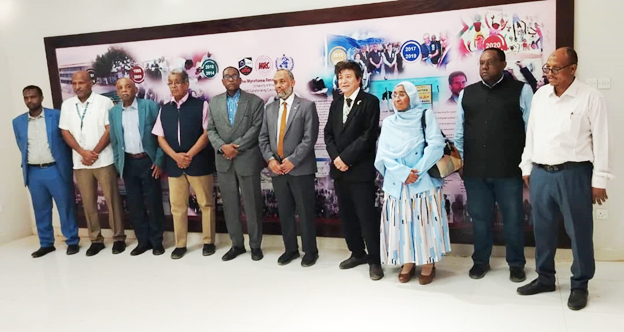
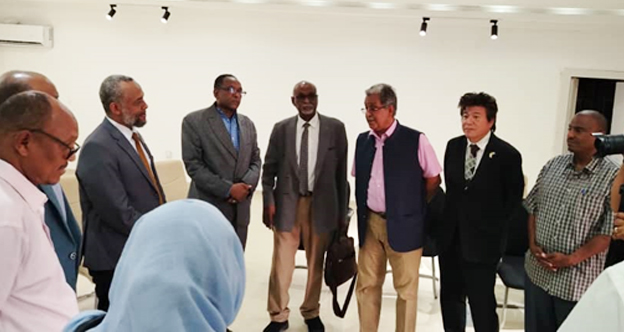
In a significant testament to institutional resilience, academic recovery, and the enduring strength of public health infrastructure, the Mycetoma Research Centre (MRC) at the University of Khartoum hosted a distinguished high-level delegation on Monday, 15 June 2026. The visit was led by His Excellency Dr Haithum Ibrahim, the Federal Minister of Health, alongside His Excellency Professor Imad Aradab, the Vice Chancellor of the University of Khartoum, Dr Mahmoud Ahmed, the University Principal, and Professor Samai Ahmed, the University Academic Secretary.
This ministerial and academic tour formally recognised the centre’s comprehensive structural and operational rehabilitation, celebrating its successful revitalisation following a period of unprecedented national challenges. The presence of these top-tier health and educational leaders underscored the critical national and international importance of the MRC, positioning its recovery as a cornerstone of Sudan’s broader healthcare restoration strategy and a shining template for organisational perseverance.
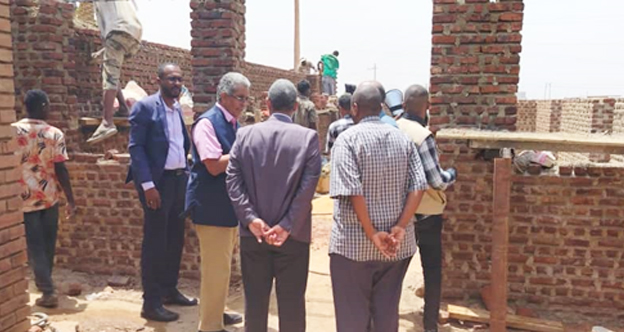
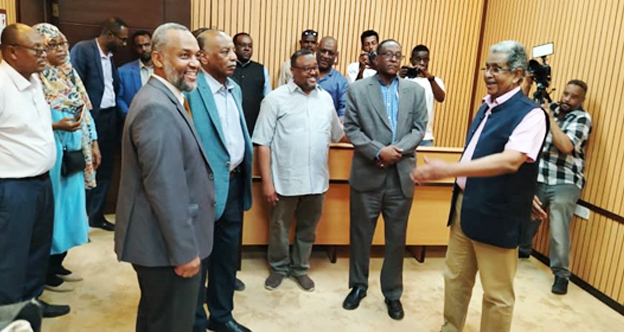
The delegation conducted a thorough, frontline inspection across the centre’s diverse clinical, diagnostic, and research units to witness the profound scope of the physical and operational rehabilitation firsthand. During the comprehensive walkthrough, the dignitaries spent significant time in the different departments and units, reviewing the state-of-the-art upgrades and observing the continuity of decentralised patient management systems. These specialised systems have allowed the centre to maintain its reach and deliver uninterrupted care to patients under volatile conditions.
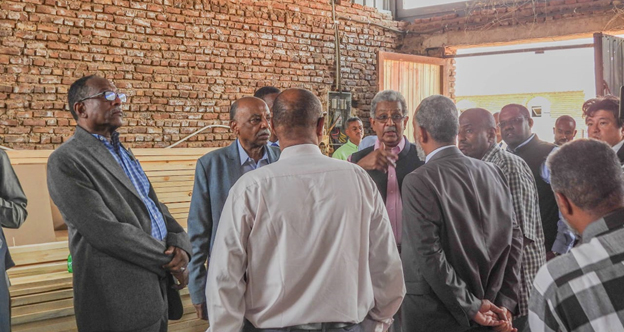
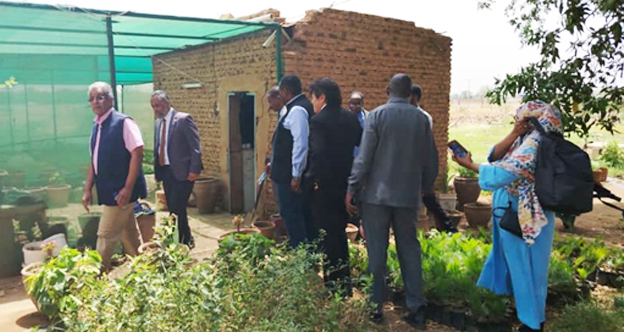
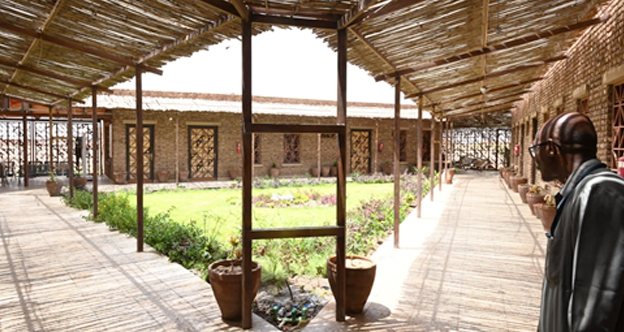
Moving beyond purely clinical spaces, the delegation proceeded to visit the Mycetoma Vocational and Entrepreneurship Training Centre (SAAI’D). Here, the visitors saw firsthand how the centre integrates medical healing with social and economic rehabilitation. They observed the innovative programmes designed to empower amputees and individuals disabled by mycetoma, providing them with income-generating skills and psychological support to rebuild their livelihoods and reintegrate into their communities with dignity.
Following the thorough facility inspection, the leadership assembly convened an official forum to express their deepest, heartfelt gratitude to the global ecosystem of donors, international collaborators, and local sponsors whose unwavering solidarity and financial commitments prevented institutional collapse and funded the physical reconstruction of the complex.
Both the Minister and the Vice Chancellor extended their highest commendations to the MRC’s medical, research, and administrative personnel, warmly congratulating the entire staff on their extraordinary bravery and dedication. They acknowledged that the team’s persistent presence under severe constraints ensured that hundreds of vulnerable mycetoma patients did not experience catastrophic treatment interruptions, thereby directly averting severe disability, disease recurrence, and avoidable limb amputations.
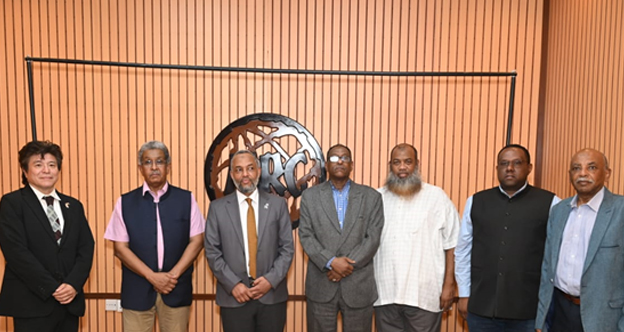
To safeguard these hard-won milestones and accelerate future innovation, the Federal Ministry of Health and the University of Khartoum jointly pledged a robust, long-term framework of financial, administrative, and political backing. This synchronised support is strategically designed to ensure that the MRC can expand its pioneering clinical research, deploy field-friendly rapid diagnostic tests into endemic rural areas, and maintain its prestigious status as a vital World Health Organization (WHO) Collaborating Centre.
By reinforcing these institutional foundations, the delegation solidified a unified national commitment to eliminating neglected tropical diseases (NTDs) and ensuring that the MRC remains an elite global authority and a beacon of hope for endemic communities across Sudan and beyond.