Rising Above the Rubble: How Human Conviction is Rebuilding the Mycetoma Research Centre
Prof Ahmed Hassan Fahal
The Mycetoma Research Center
University of Khartoum
Every institution has a defining moment, a historical crossroads where circumstances force a choice between fading away into the background or fighting forward against all odds. For the Mycetoma Research Centre (MRC) at the University of Khartoum, 2025 was that year.
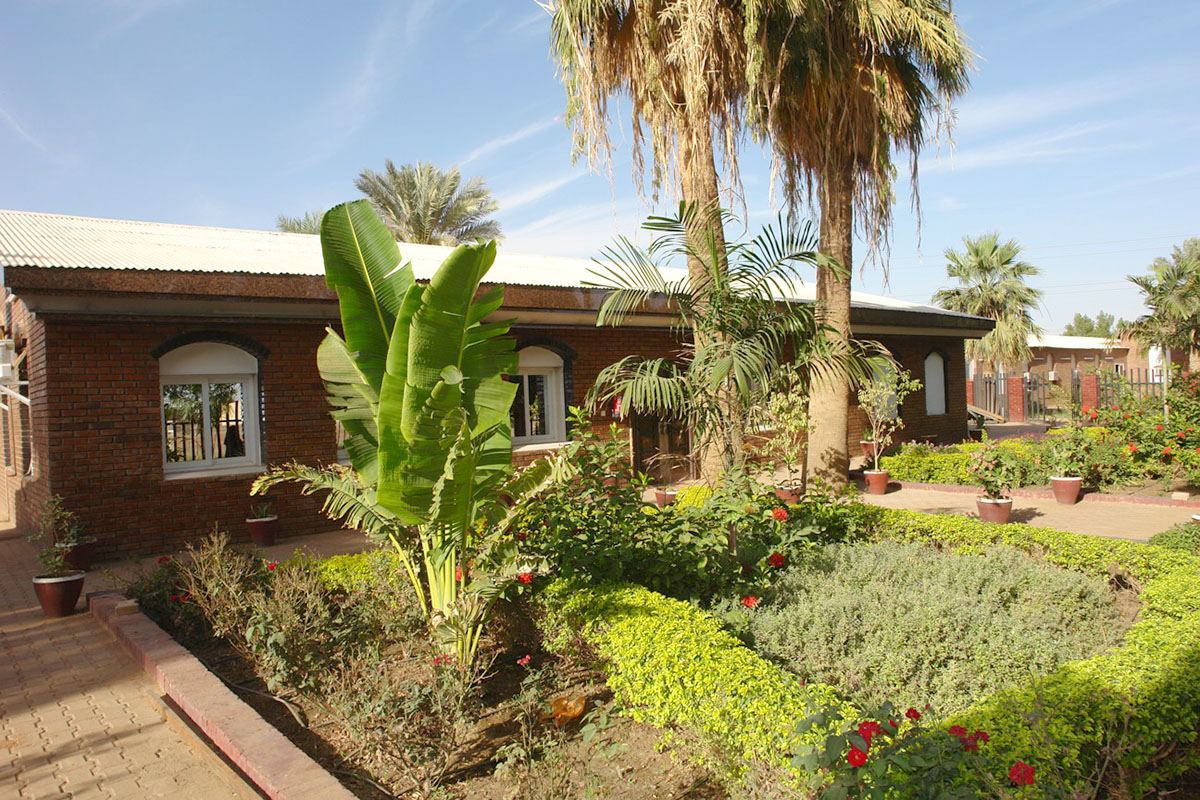
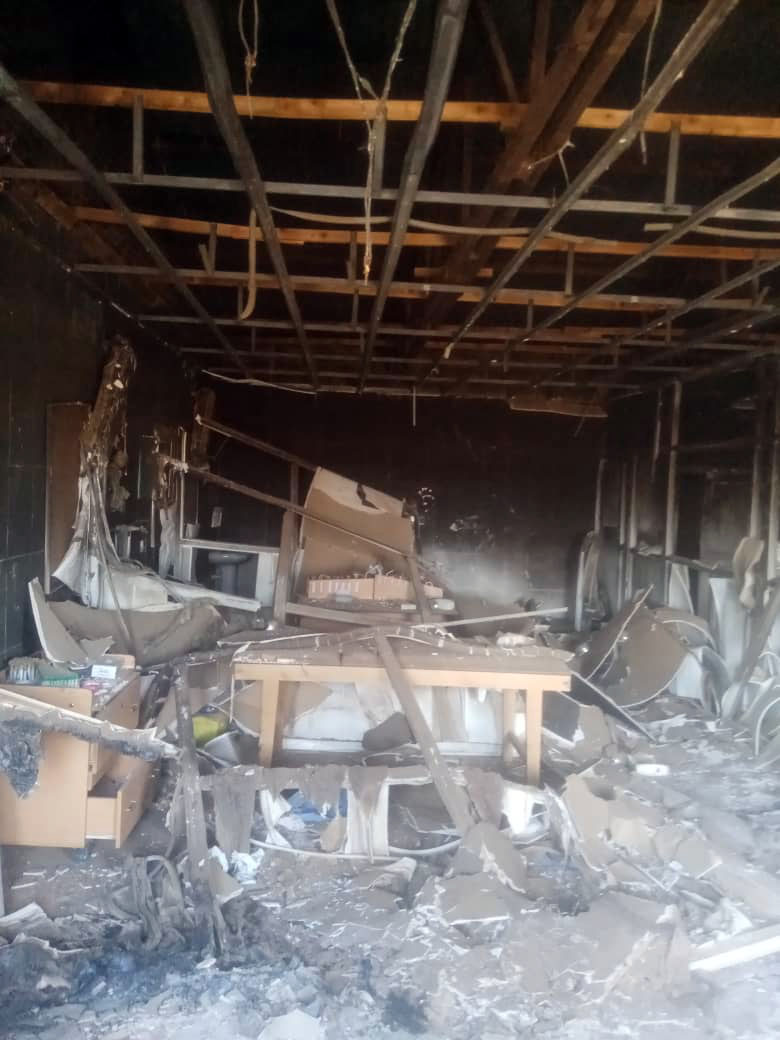
It was a period that tested the absolute limits of our institutional endurance, marked by the devastating, war-imposed destruction of our beloved physical headquarters in Khartoum. Yet, looking back at the trials and triumphs of the past twelve months, our dominant sentiment is not one of grief or defeat. It is one of profound, radical gratitude.
Brick, mortar, and laboratory equipment can be destroyed by conflict, but the unyielding spirit of a unified scientific team cannot be broken. This is the story of how the MRC refused to let its scientific and humanitarian momentum stall, and how we are actively rising from the ashes to reshape the future of global health.
The Double-Front Strategy: Navigating Two Parallel Journeys
When a crisis of this magnitude hits, standard operational blueprints become obsolete. Survival requires immediate, agile adaptation. Throughout 2025, we split our strategy into two parallel, high-stakes journeys:
Decentralisation: Moving Medicine to the People
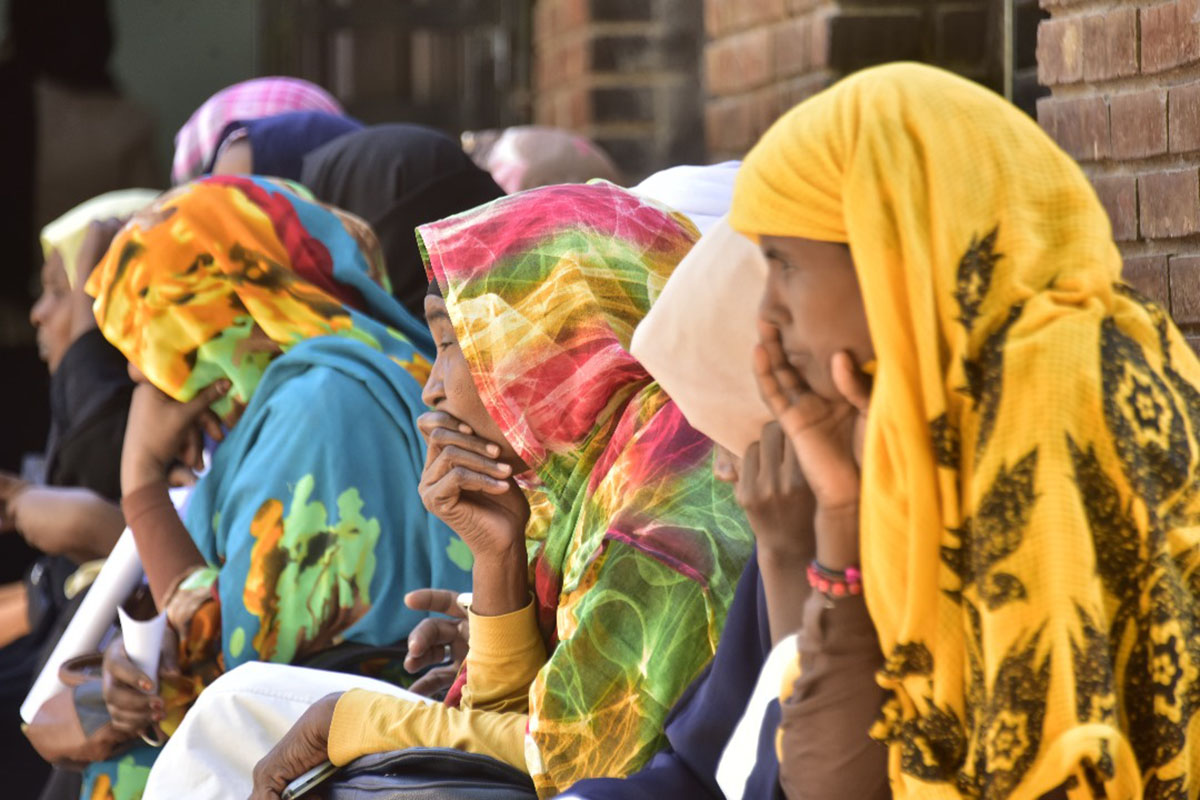
On the physical front, we faced the monumental task of rebuilding a fractured health delivery system from the ground up. With our central hub compromised, our patients, many of whom were already marginalised and experiencing severe physical displacement, faced a catastrophic threat: the total cessation of their medical treatments.
We refused to let that happen. We quickly pivoted our operational model, establishing secure, decentralised sentinel hubs in safer regional areas, most notably our new satellite centres in Kassala and Wad Onsa. Navigating complex logistics, broken supply chains, and highly unstable regional borders, our team ensured that life-saving therapeutic pipelines remained intact.
Safeguarding Scientific Continuity
On the scientific front, we firmly rejected the idea that research must stop during a crisis. We maintained continuous clinical management for displaced cohorts and successfully sustained our open-access clinical trial pathways for critical, life-dignity therapeutics, such as Fosravuconazole, sponsored by the DNDi.
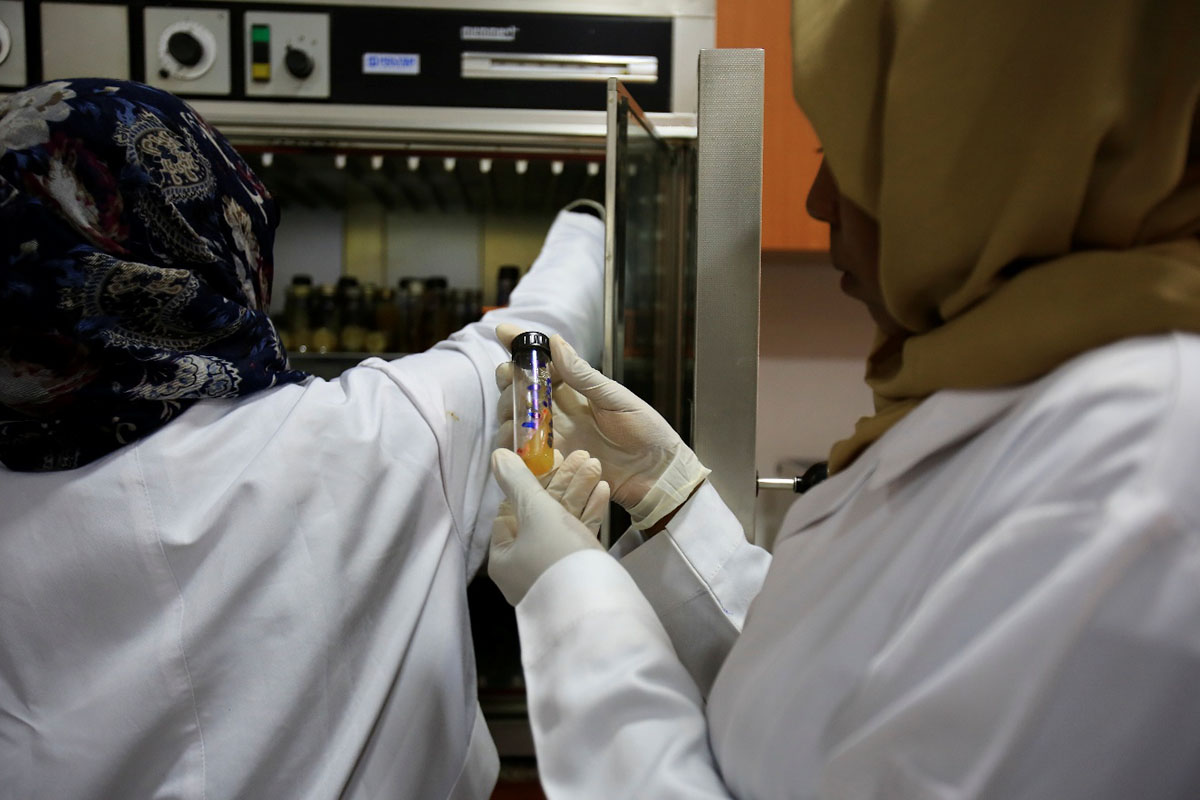
Equally important was protecting our greatest long-term asset: our human capital. We aggressively supported our young doctors, nurses, laboratory technicians, and postgraduate researchers. By utilising alternative digital training environments in Sudan and overseas, secure data-sharing clouds, and localised mentorship, we equipped a new generation of Sudanese scientists with the skills necessary to execute complex clinical protocols under wartime constraints.
The Hidden Toll: Why We Couldn’t Step Back
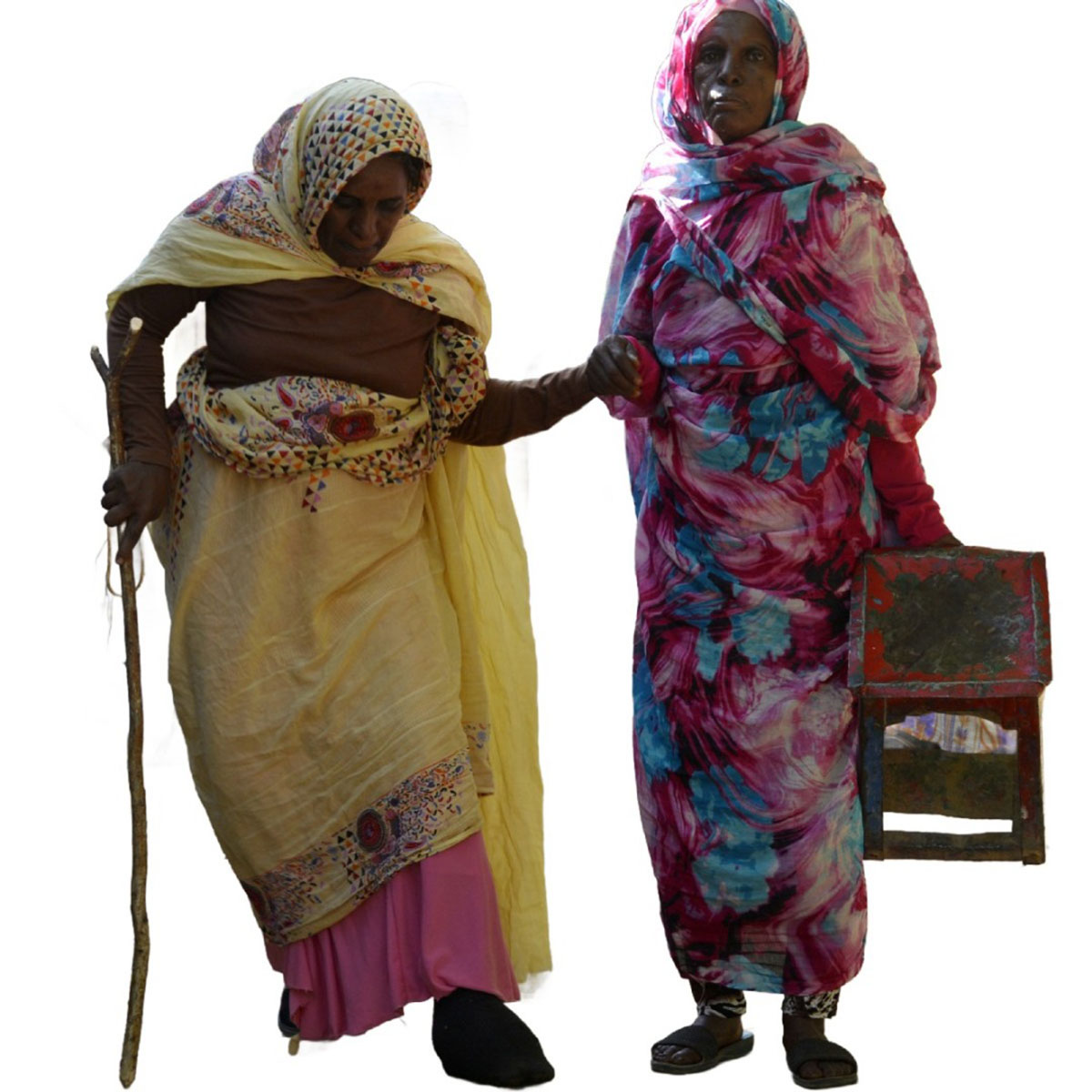
To understand our determination, one must understand the unique cruelty of Mycetoma. Often called “The Forgotten Disease of the Forgotten People,” this chronic, destructive infection slowly destroys skin, deep tissue, and bone. It primarily targets young workers, agricultural labourers, young adults, women and children in low-resource settings.
If treatment is interrupted for even a few weeks, the consequences are severe:
- Rapid Disease Recurrence: The pathogen aggressively re-invades compromised tissues.
- Drug Resistance: Intermittent dosing patterns destroy the efficacy of rare oral antifungals.
- Avoidable Amputations: Without continuous care, radical surgical excisions and amputation become the only remaining option to save a patient’s life.
Knowing these realities meant that stepping back was never an option. While safety protocols forced many international entities to pause on-the-ground operations, the internal MRC team chose to step forward. For our patients, our presence was the fragile line between a life of severe permanent disability and a future of restored hope.
A Foundation Built on Global Solidarity
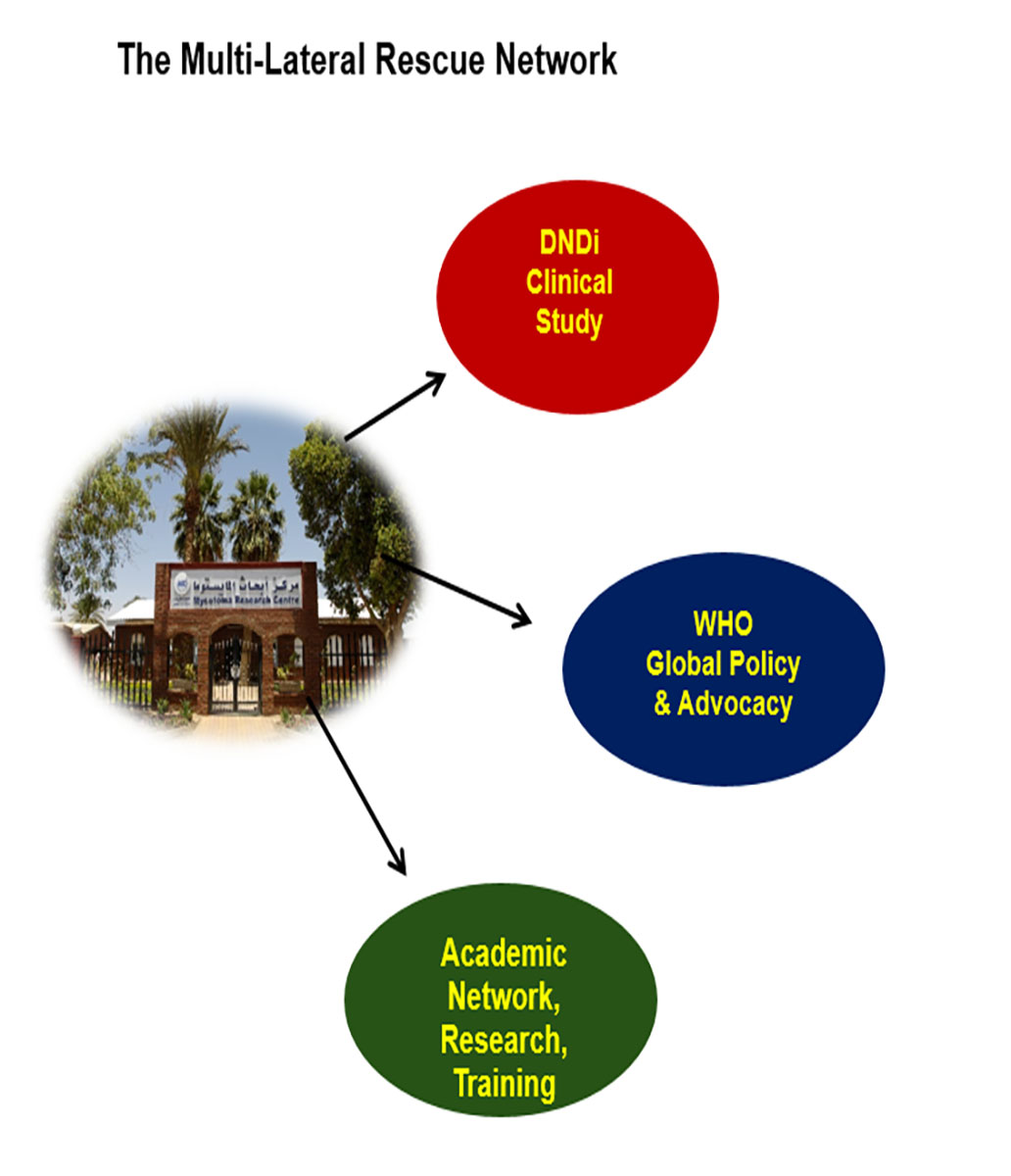
If 2025 taught us anything, it is that an international community of practice is an incredibly powerful shield. We did not walk this difficult path alone.
The extraordinary, swift, and generous interventions of our national and international partners accelerated our recovery. Organisations like the Drugs for Neglected Diseases initiative (DNDi), the World Health Organization (WHO), MSF, Sudatel Telecom Group, Ltd, Sudan, Eisai Pharmaceutical Company, Japan, FuHong Construction, Roads & Bridges, Enterprise, China, Bashayer Pipeline Company, Sudan, Rocinantes, Japan as well as the Federal Ministry of Health, University of Khartoum, The National University – Sudan, Soba University Hospital and many other. Furthermore, many of our dedicated network of global academic universities stepped up to keep our programmes funded, our drug supplies flowing, and our regulatory frameworks adaptive.
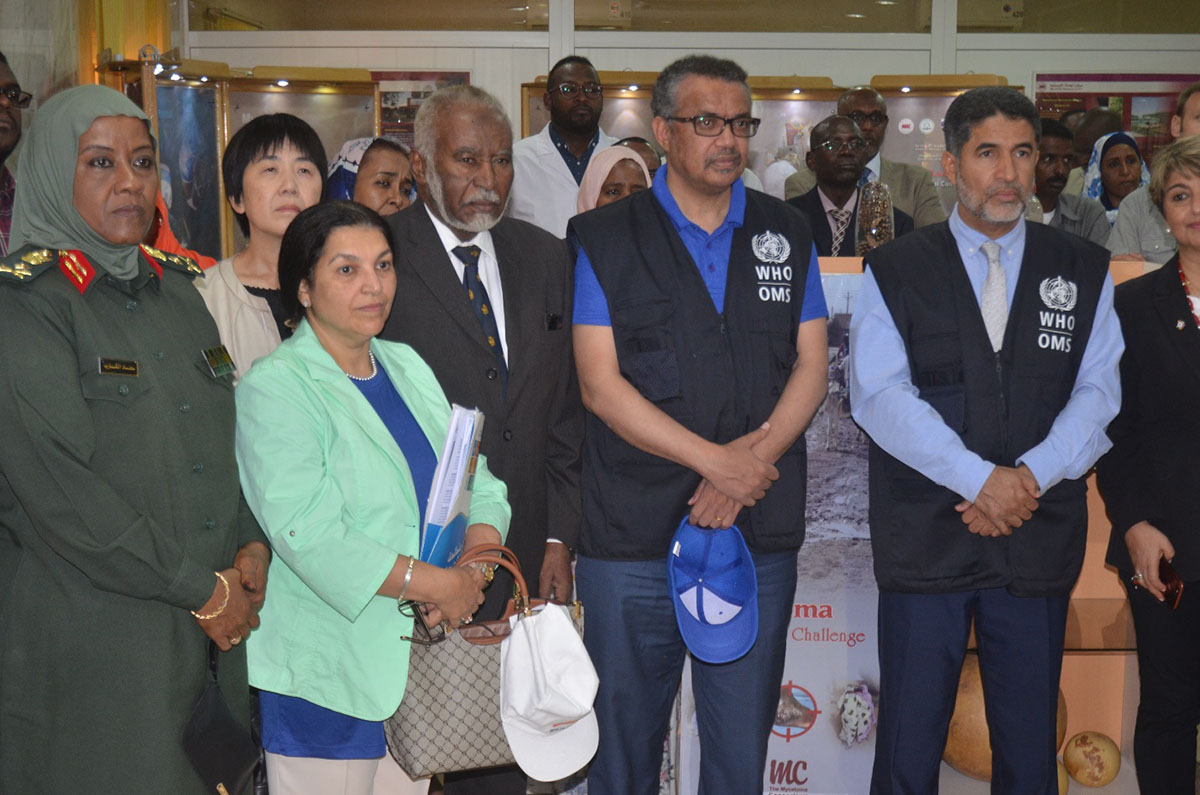
Together, we have painstakingly begun restoring both our advanced molecular laboratory capabilities and our frontline clinical operations. We have proven to the global health community a fundamental truth:
The Ultimate Resilience of a Research Center lies in its Shared Human Conviction, Not in its Physical Infrastructure.
“The Year 2025 Did Not Break Us; It Forged Us Into
A More Agile, Highly Adaptive, And Deeply Unified Institution.”
Looking Ahead: Our Strategic Roadmap for 2026
As we push forward into 2026, we are not looking to return to the status quo. We are aiming higher. Moving forward, the MRC is prioritising three core operational pillars:
- Expanding Regional Satellites:
Building on the success of the Kassala and Wad Onsa models to create a resilient, permanent network of diagnostic hubs across endemic states.
- Pioneering Diagnostic Point-of-Care Tools:
Transitioning the knowledge from our recent molecular diagnostics training courses directly into field-ready, rapid DNA extraction and PCR workflows to catch infections earlier.
- Aggressive Global Advocacy:
Leveraging our platforms as the 2025 Mycetoma Ambassador and socal media platforms to ensure that mycetoma and skin-related NTDs remain a high priority on the agendas of global health donors and policymakers.
Join Us on the Frontlines of Hope
The road to full institutional reconstruction is long and demanding, but our resolve is total. We cannot do this work in isolation. We warmly invite you to stand with us on this transformative journey. Whether you join us as a strategic research partner, an institutional donor, or a global advocate amplification voice, your support directly impacts lives on the ground.
Together, we will continue to rebuild fractured health systems, pioneer clinical innovation, and bring life-saving, dignified health outcomes to every single patient who needs us.