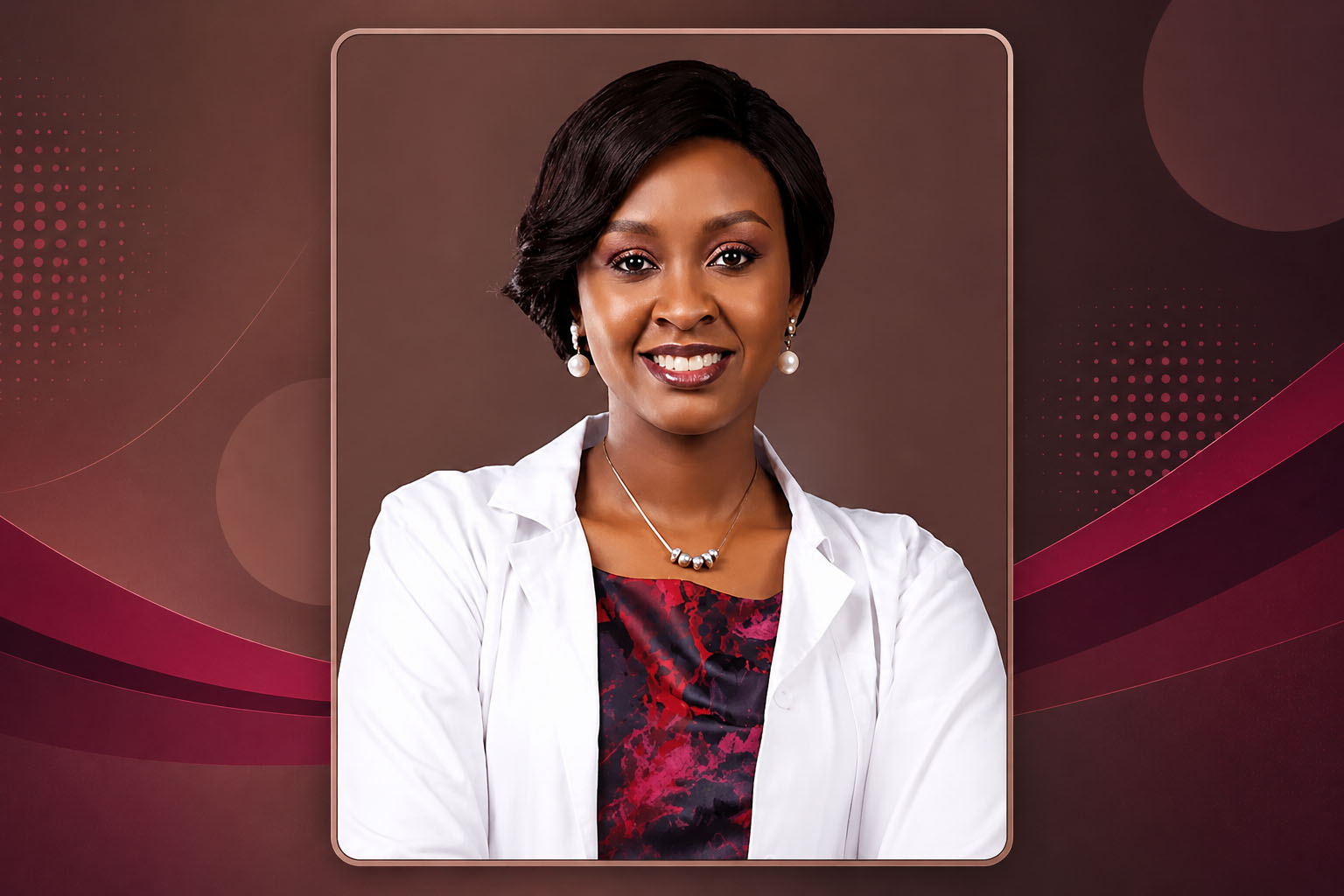
Testament to Courage, Compassion, and Scientific Excellence: An Expanded Tribute to Dr Borna Nyaoke-Anoke, Mycetoma Ambassador
Prof Ahmed Hassan Fahal
The Mycetoma Research Center, University of Khartoum
It is with profound institutional pride, deep personal gratitude, and enduring admiration that I write this tribute to celebrate the extraordinary legacy and remarkable humanitarian commitment of Dr Borna Nyaoke-Anoke, Head of the Mycetoma Programme at Drugs for Neglected Diseases initiative (DNDi), and the elected Mycetoma Ambassador for 2025.
Throughout her distinguished journey with the Mycetoma Research Centre (MRC) at the University of Khartoum, Dr Borna has exemplified the highest ideals of scientific integrity, compassionate leadership, unwavering solidarity, and courageous humanitarian service. Her contributions transcend the boundaries of clinical research; they represent a living testament to what dedicated global health leadership can achieve in the face of adversity, conflict, and human suffering.
The Beginning of a Historic Partnership: Advancing Mycetoma Research
Our collaboration with Dr Borna began in 2018, a defining year in the global fight against mycetoma. Under the leadership and support of DNDi, and through a close partnership with the MRC, the world’s only WHO Collaborating Centre dedicated to mycetoma and skin Neglected Tropical Diseases, we embarked upon a historic scientific mission: the first-ever double-blind, randomised, comparative clinical trial evaluating Fosravuconazole, a promising repurposed oral therapeutic agent for eumycetoma treatment.
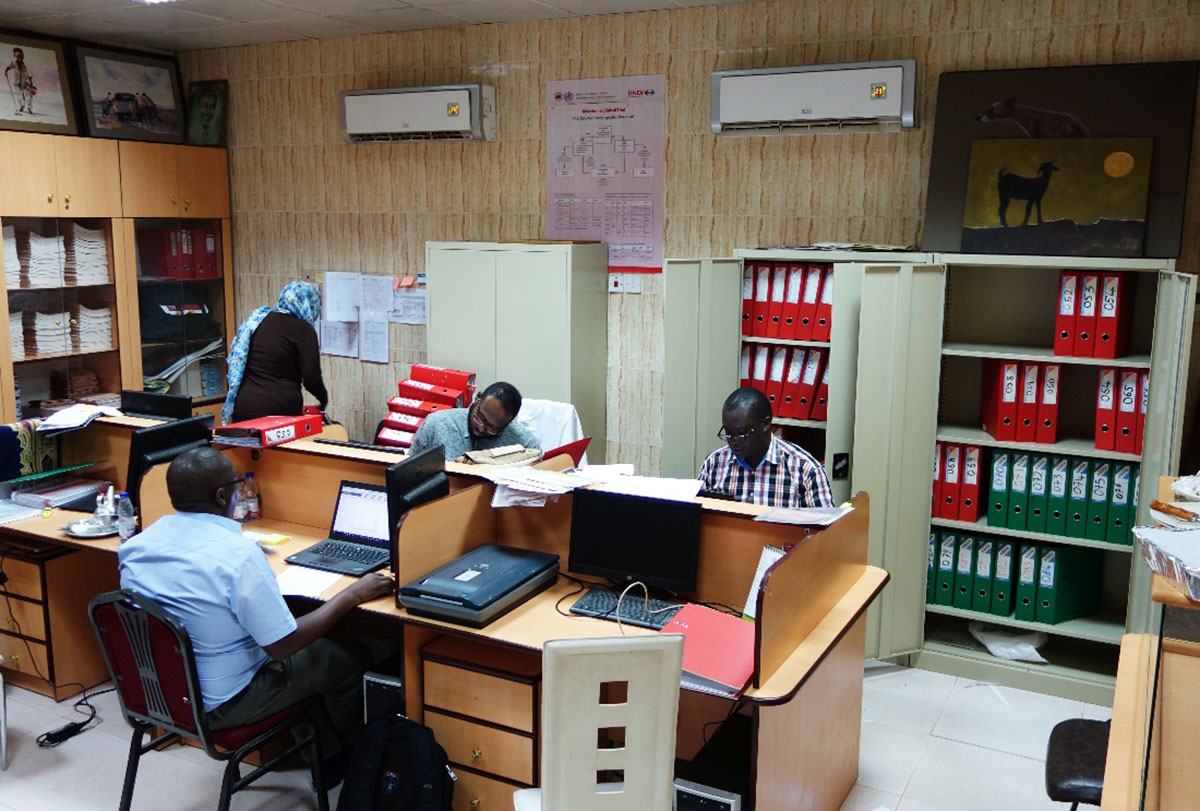
This groundbreaking clinical trial represented far more than a scientific study. It symbolised hope for thousands of neglected patients who had suffered for decades from a devastating disease characterised by deformity, disability, social stigma, and limited therapeutic options.
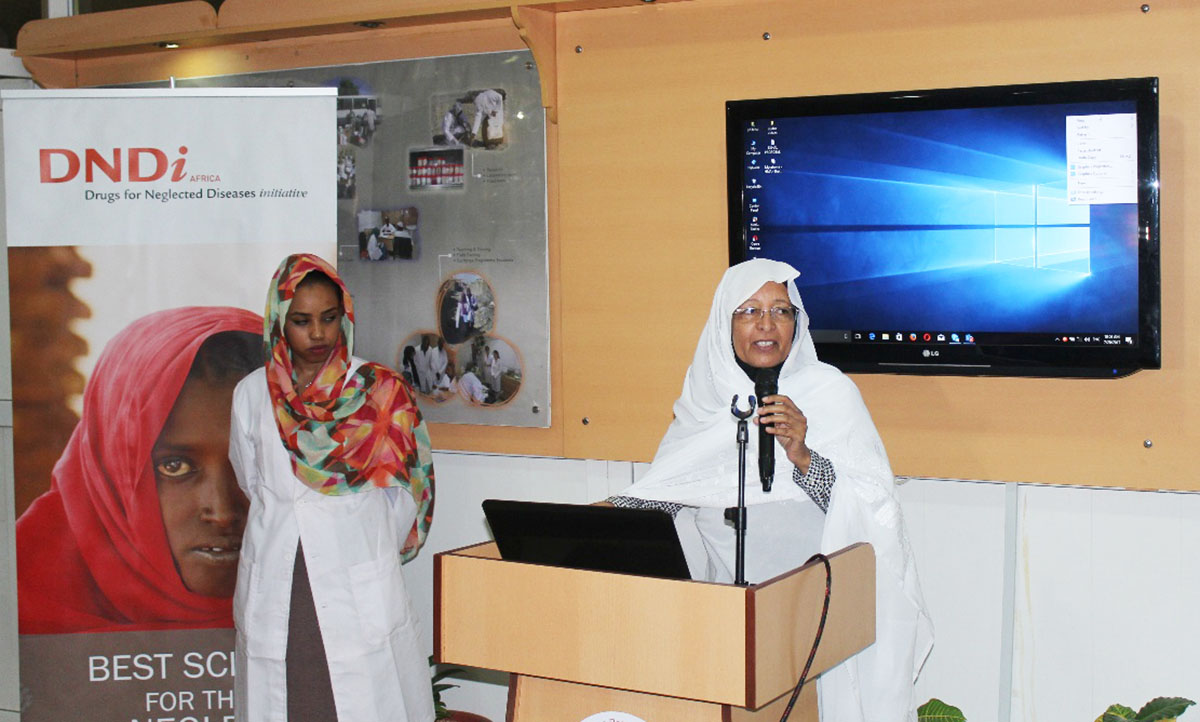
As the clinical monitor and one of the principal operational leaders of this landmark study, Dr Borna became the driving force behind its success. Conducting clinical trials in highly neglected and resource-limited settings requires exceptional expertise, resilience, and sensitivity. It demands a delicate balance between maintaining rigorous international scientific standards and understanding the realities of fragile healthcare systems and vulnerable patient communities. Dr Borna demonstrated this balance with extraordinary distinction.
Her meticulous attention to detail, uncompromising commitment to Good Clinical Practice (GCP), and insistence on scientific excellence ensured that the study achieved the highest international standards of clinical research. Under her guidance, the MRC strengthened its systems for patient monitoring, pharmacovigilance, laboratory quality assurance, data management, ethical compliance, and regulatory oversight.
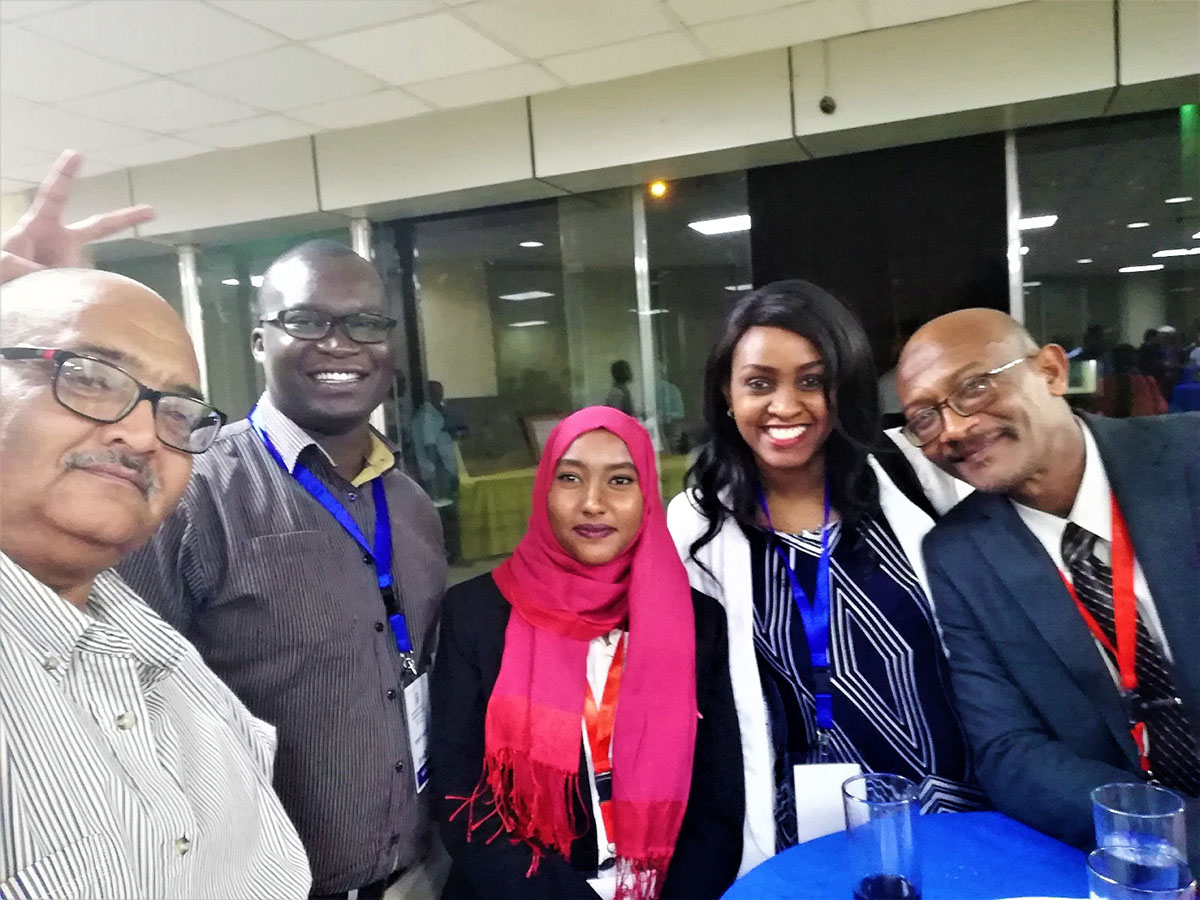
However, Dr Borna’s impact extended far beyond systems and protocols. She invested deeply in people. She mentored our young clinicians, nurses, laboratory scientists, pharmacists, and clinical coordinators with patience, humility, and generosity. She transformed challenges into learning opportunities and inspired confidence in a generation of Sudanese researchers determined to serve neglected communities through science and compassion.
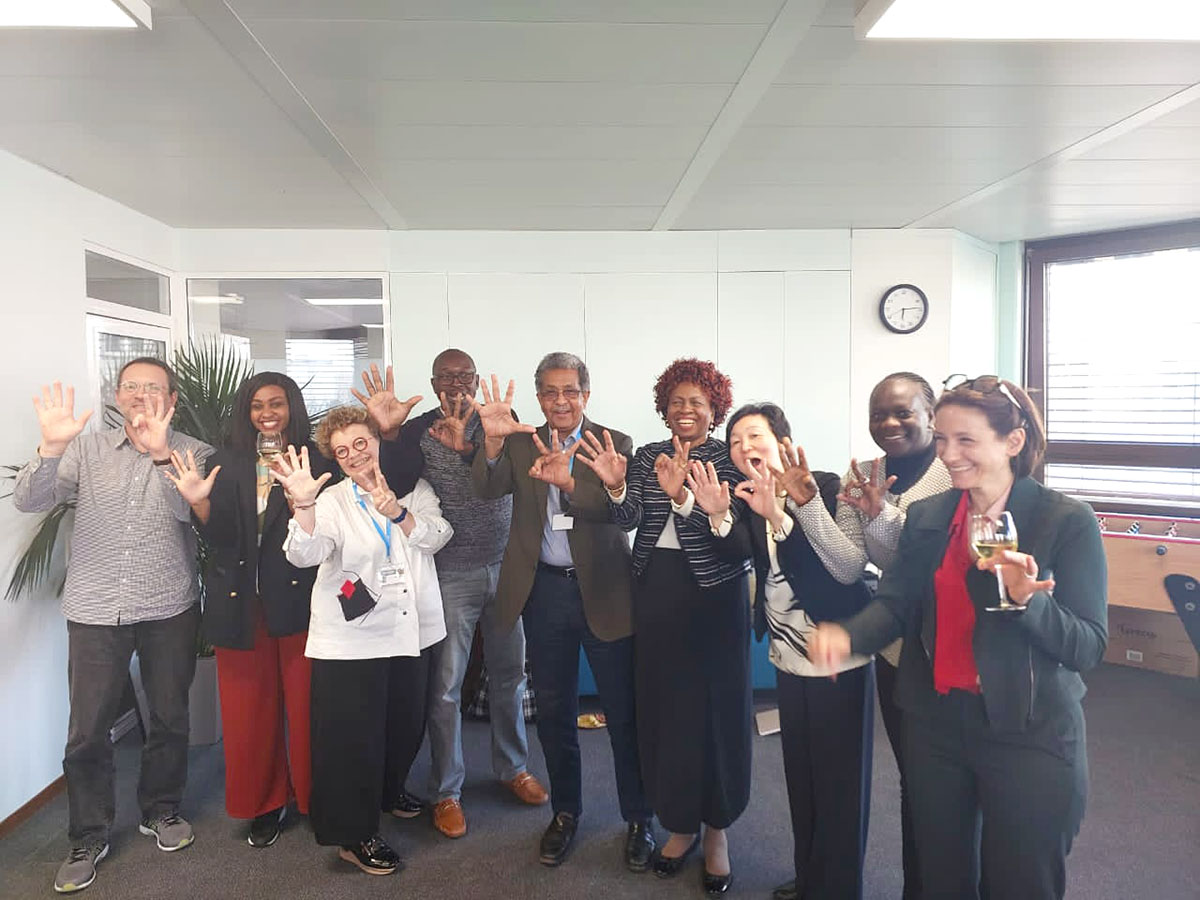
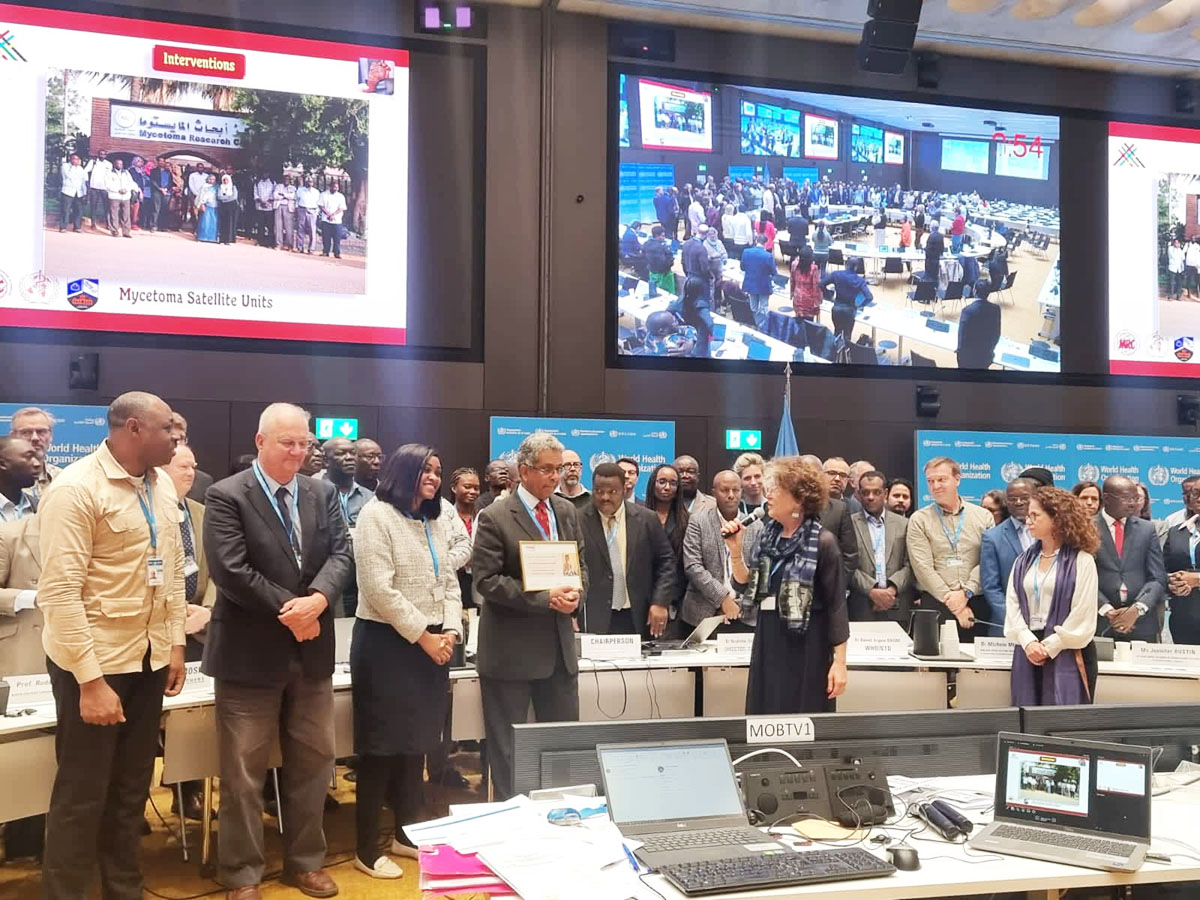
Because of her dedication, the MRC evolved into a recognised world-class clinical trials unit capable of conducting complex international studies under challenging conditions and was awarded the DNDi Best Clinical Trial Award for 2022. Her legacy is therefore embedded not only in scientific publications and clinical achievements, but also in the professional growth and empowerment of countless healthcare professionals.
Standing Firm During the Sudan Conflict: Leadership in a Time of Crisis
The true character of leadership is revealed not during periods of stability and success, but during moments of profound uncertainty and crisis. When devastating armed conflict erupted in Sudan, the country’s healthcare and scientific infrastructure suffered catastrophic disruption. Hospitals collapsed, supply chains failed, communication systems disintegrated, and research institutions faced unprecedented destruction.
The Mycetoma Research Centre was among the institutions profoundly affected. Its headquarters in Khartoum became severely compromised, critical infrastructure was damaged, utilities ceased functioning, and many of our highly specialised staff members were displaced under dangerous conditions.
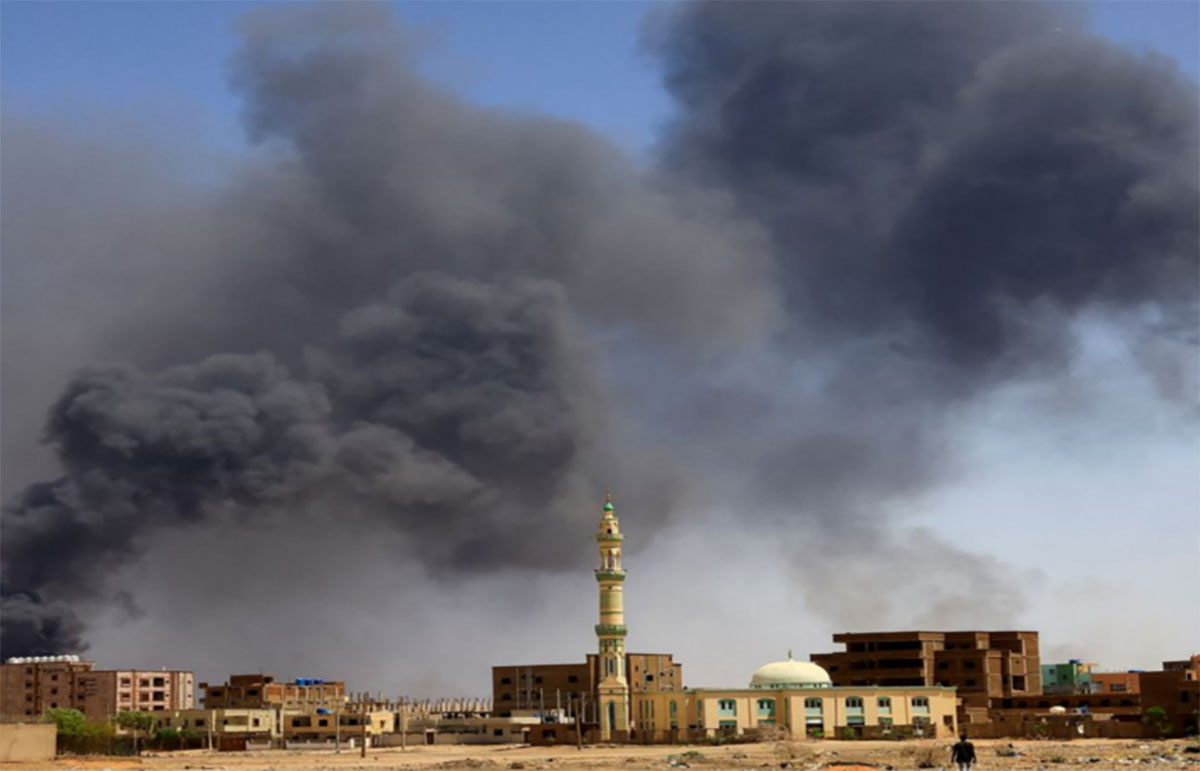
As the conflict intensified, most international collaborators and sponsors, constrained by security concerns and institutional policies, understandably suspended or withdrew active operations. The MRC suddenly faced the terrifying possibility of institutional collapse. Most critically, hundreds of vulnerable mycetoma patients receiving active treatment risked immediate interruption of their care. For many patients, this would have meant catastrophic disease progression, severe disability, recurrence, and avoidable amputations.
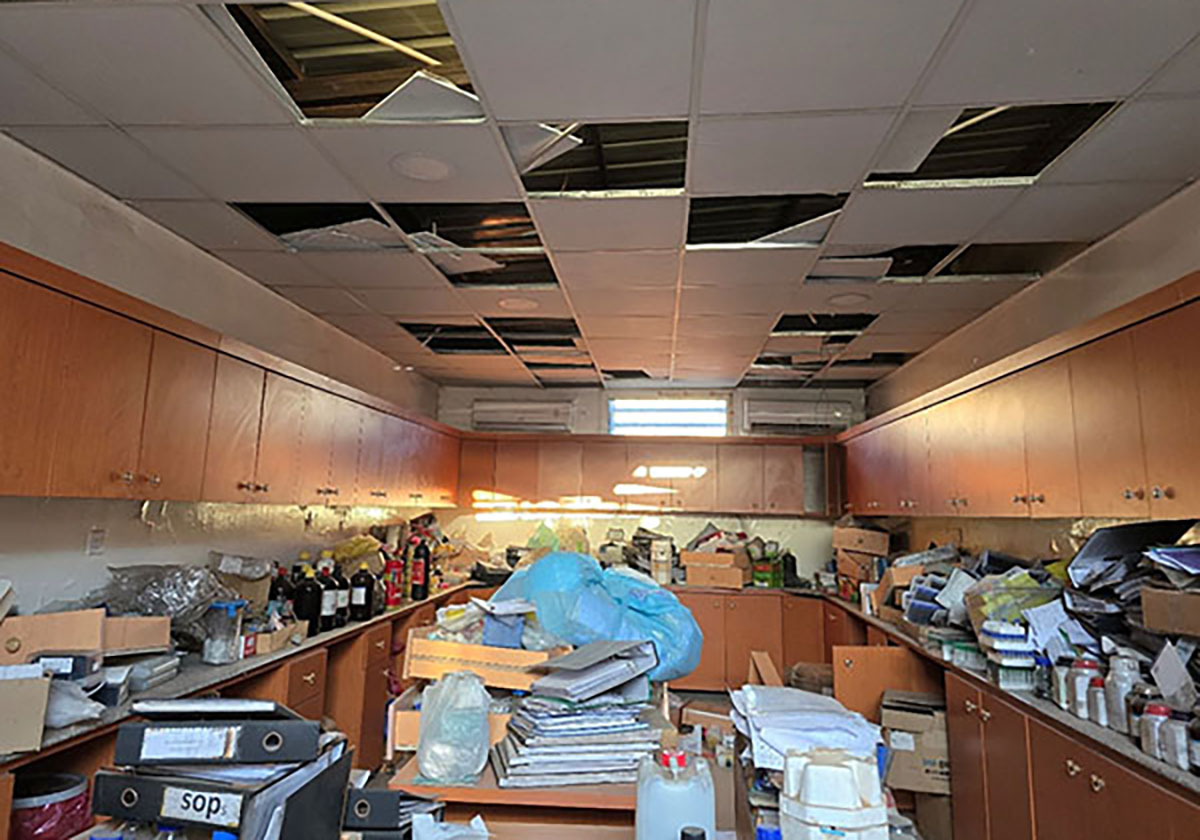
It was during this darkest chapter that Dr Borna’s courage, humanity, and leadership shone with unparalleled brilliance.
While many institutions were forced to retreat, Dr Borna chose to stand beside us. She refused to allow the mycetoma programme to collapse or the patients to be abandoned. Recognising the devastating consequences of treatment interruption, she demonstrated extraordinary moral courage and administrative determination by navigating immense regulatory, ethical, logistical, and operational challenges within DNDi to establish an unprecedented open-access clinical programme for Fosravuconazole under highly unstable wartime conditions.
This achievement cannot be overstated. Maintaining a clinical research and treatment programme during active armed conflict is extraordinarily difficult. Yet Dr Borna approached every obstacle with calm determination, strategic thinking, and unwavering compassion.
When the situation in Khartoum became entirely untenable, she worked tirelessly alongside our displaced teams to relocate and reorganise operations in safer regions, including Kassala and other field locations. Through her leadership, critical treatment supplies continued to reach patients, clinical follow-up systems were preserved, monitoring pathways remained operational, and communication between dispersed teams continued despite immense insecurity and instability.
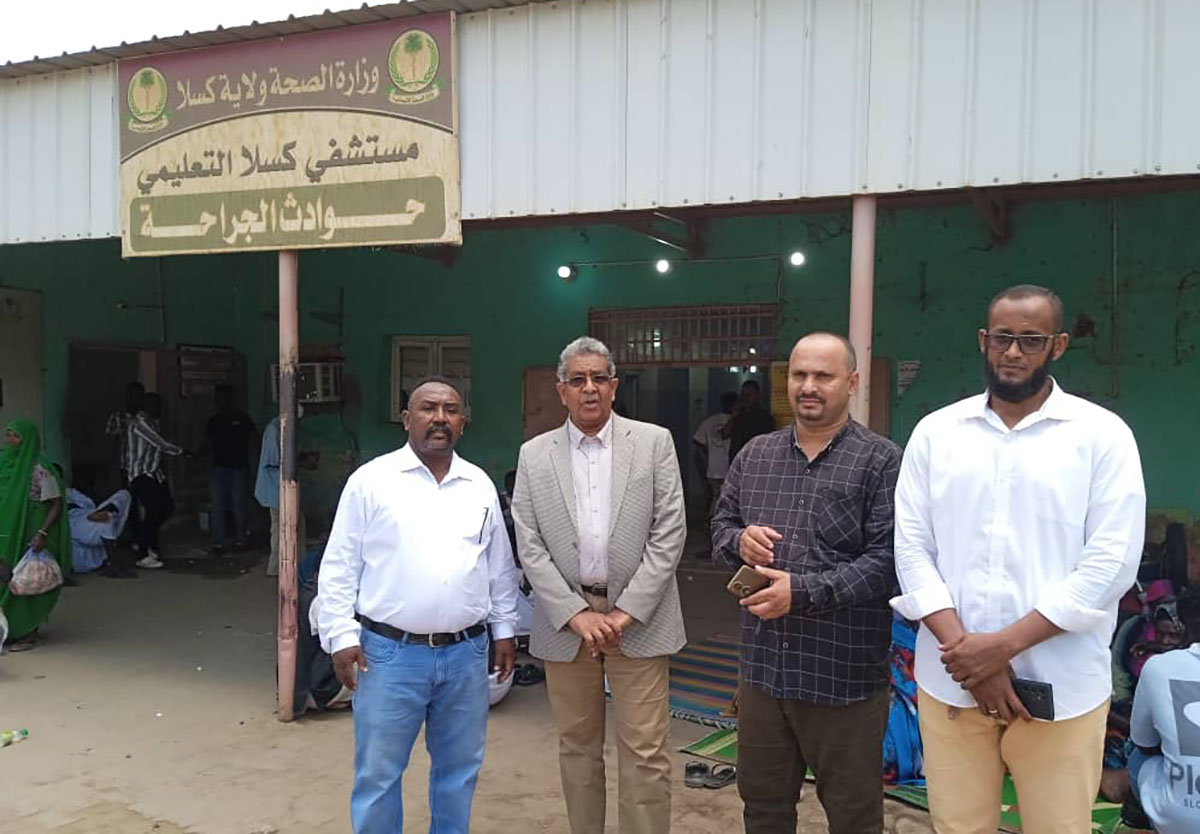
Furthermore, during this difficult time, she, along with Mrs Linet Atieno Otieno, DNDi media office, supported the Mycetoma Behind the Lens, a project that seeks to make a lasting impact by blending emotive visuals with educational initiatives. The project aims to raise awareness and advocate for mycetoma prevention, early detection, and proper management through multimedia storytelling, including photography and videography.
Her intervention protected not only a clinical study, but an entire institution and, more importantly, the lives and futures of vulnerable patients. In many ways, she safeguarded the continuity of mycetoma care and research in Sudan during one of the most difficult periods in the nation’s recent history.
A Humanitarian and Scientific Legacy
Dr Borna’s contributions demonstrate that global health leadership is not solely defined by technical expertise or academic accomplishment. True leadership lies in the willingness to stand with vulnerable populations during moments of despair and uncertainty.
Through her actions, she proved that clinical research is not merely an academic exercise confined to laboratories and protocols. Rather, when guided by humanity and courage, research becomes a powerful instrument for justice, dignity, healing, and hope.
She bridged the divide between advanced science and compassionate care. She reminded the global health community that neglected patients must never be forgotten, even amid conflict and instability. Her work reaffirmed that ethical responsibility does not end when circumstances become difficult; instead, it becomes even more essential.
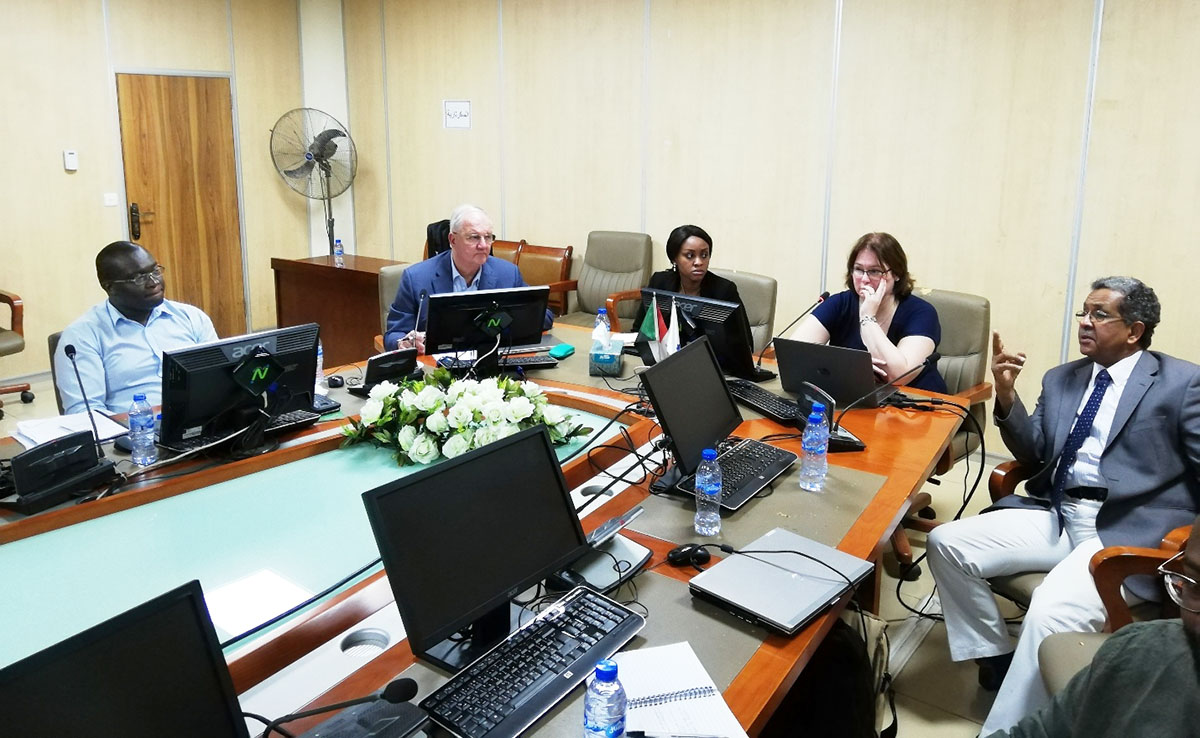
For her exceptional courage, visionary leadership, unwavering solidarity, and extraordinary humanitarian commitment, the MRC and its global partners proudly elected Dr Borna Nyaoke-Anoke as the Mycetoma Ambassador for 2025.
This honour represents far more than a ceremonial title. It is a recognition of a profound historical truth: Dr Borna Nyaoke-Anoke helped preserve hope when hope itself seemed fragile. She helped protect patients when they were most vulnerable. She helped sustain a globally important institution when it was on the brink of collapse.
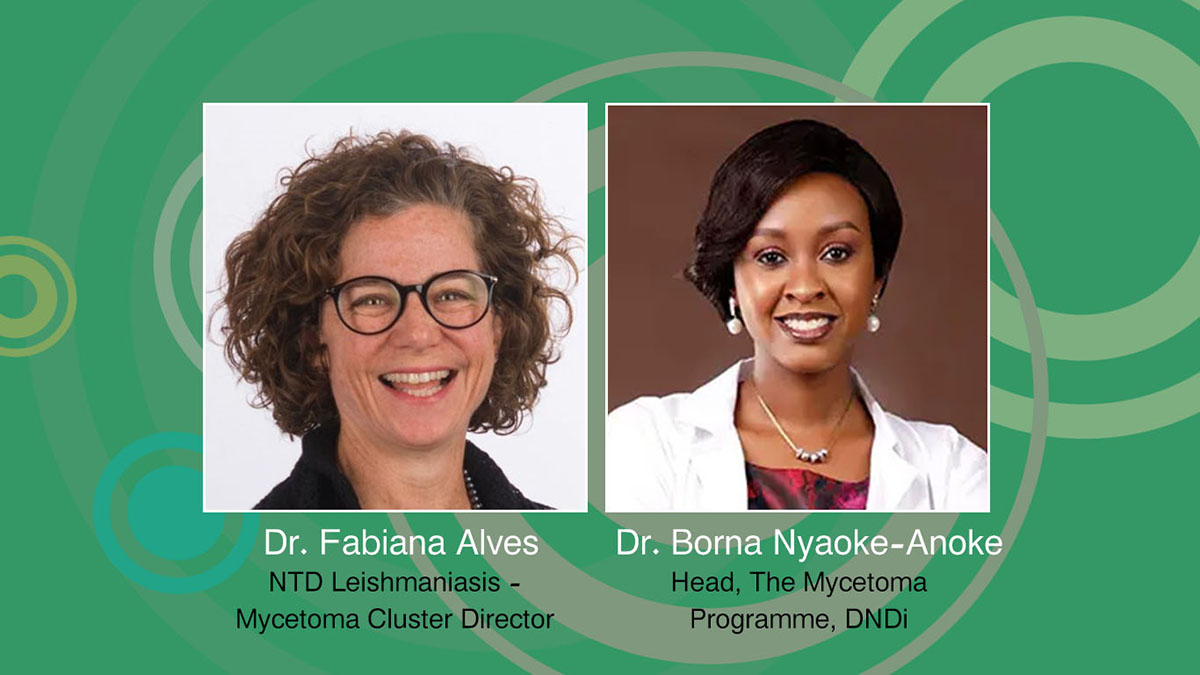
Looking Toward the Future
As the Mycetoma Research Centre continues its journey of recovery, rebuilding, and renewal, we are strengthened by the knowledge that dedicated partners and remarkable individuals, such as Dr Borna Nyaoke-Anoke, support us.
To the international scientific and global health communities, she stands as a model of principled and compassionate leadership. To the MRC family, she is a trusted partner, steadfast supporter, and cherished friend. To the patients of Sudan, she represents dignity, hope, healing, and the promise of a better future.
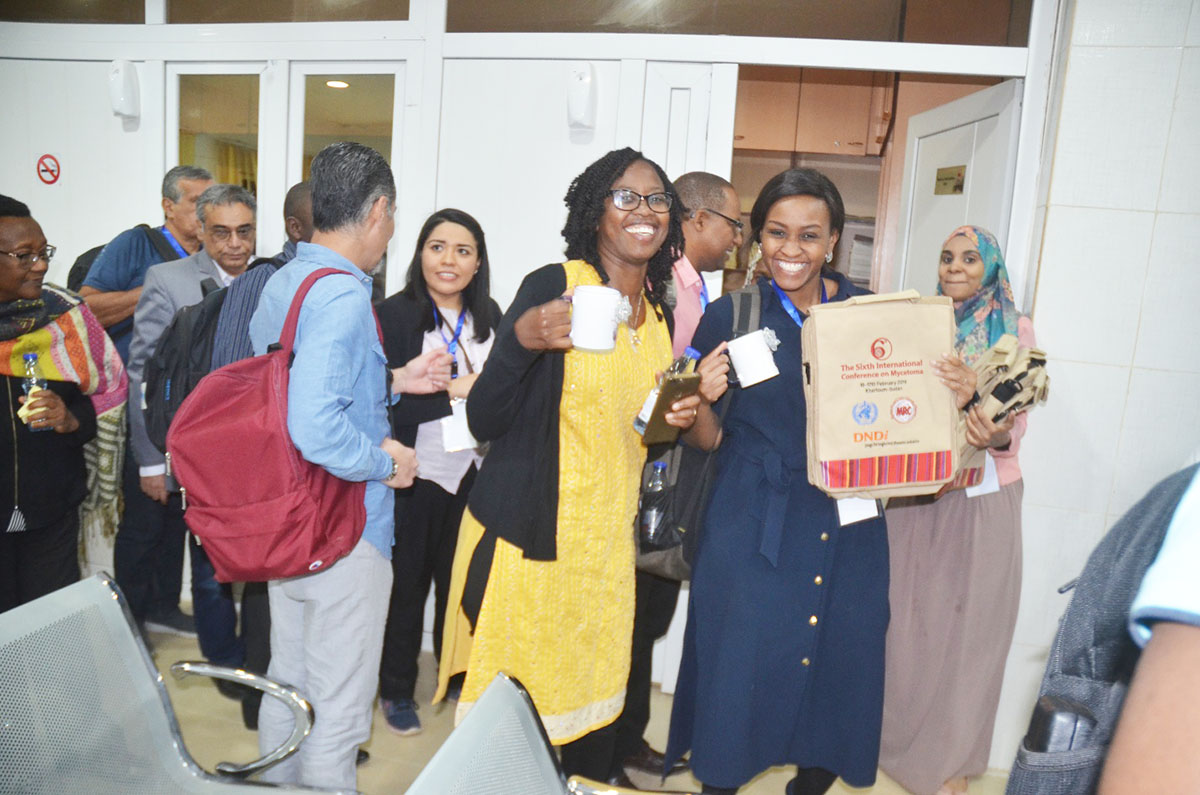
Her legacy will endure not only in scientific achievements and institutional milestones but in the countless lives she has touched, protected, and transformed.
With our deepest respect, highest admiration, sincere gratitude, and enduring appreciation, we honour Dr Borna Nyaoke-Anoke for her remarkable service to humanity and her unwavering commitment to the fight against mycetoma and neglected tropical diseases worldwide.