The Recovery of the Mycetoma Research Centre, University of Khartoum: A Story of Resilience, Determination & Renewal
Prof Ahmed Hassan Fahal
Background
The Mycetoma Research Centre (MRC), a globally renowned institution designated as a World Health Organisation Collaborating Centre on Mycetoma and Skin Neglected Tropical Diseases (NTDs), has long stood as an inspiration of scientific excellence, patient care, and innovation. Established in 1991 at the University of Khartoum, the Centre has played a fundamental role in advancing knowledge, diagnosis, treatment, and control of mycetoma, a devastating yet neglected disease affecting the poorest populations. However, the outbreak of the Sudan war on 15 April 2023 marked a turning point in the Centre’s history, subjecting it to unprecedented destruction and disruption.
The consequences of the conflict were profound. Decades of scientific work, including unique biobank specimens and databases, were lost. Thousands of patients were left without access to specialised care, resulting in delayed diagnosis, disease progression, and increased disability. Research collaborations, clinical trials, and training initiatives were halted, while community engagement activities ceased entirely, weakening early detection and awareness efforts in endemic areas.
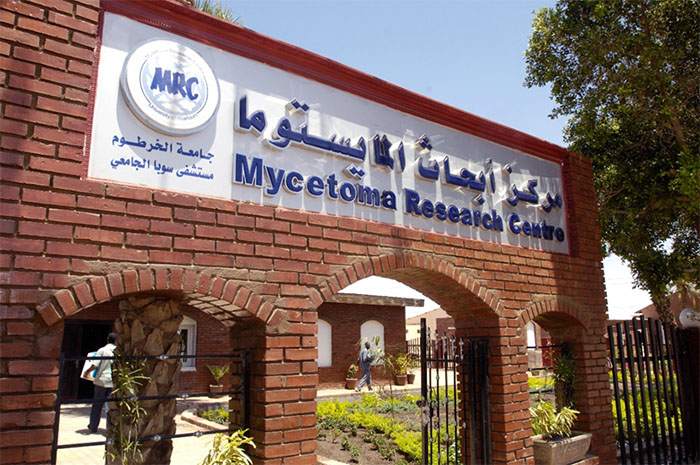
Established in 1991, The MRC is not just a healthcare facility; it is a Lifeline.
Despite these challenges, the MRC demonstrated remarkable resilience. Through strong leadership and the support of national and international partners, the Centre undertook a comprehensive rehabilitation process. This included rebuilding damaged infrastructure, restoring essential utilities, and re-establishing safe clinical and laboratory environments. Core services were progressively resumed, including outpatient care, diagnostic laboratories, imaging, surgery, training programmes, and community outreach initiatives.
The Centre also focused on rebuilding its research capacity by reinitiating programmes, reconnecting with global collaborators, and restarting clinical studies. Human resource recovery was a key priority, with efforts directed at reassembling the multidisciplinary team and resuming capacity-building activities for healthcare professionals and young researchers.
The MRC is not just a healthcare facility but a Lifeline.
Following rehabilitation, the MRC successfully resumed its full spectrum of activities. It restored its integrated model of patient care, research, training, advocacy, and community engagement. Notably, the establishment of a new satellite centre in Kassala State marked an important step toward decentralising services and improving access to care in endemic regions.
The recovery of the MRC holds significant implications. For patients, it restores access to life-saving, specialised care. For Sudan, it symbolises resilience and the rebuilding of critical scientific and healthcare institutions. For the global health community, it ensures continuity in the fight against mycetoma and other neglected tropical diseases.
The recovery of the Mycetoma Research Centre is a powerful example of resilience, determination, and renewal. It demonstrates that even in the face of conflict and loss, institutions can rebuild, regain their leadership role, and continue to transform lives through science, care, and collaboration.
Impact of the War: Devastation and Disruption
The armed conflict that engulfed Khartoum resulted in widespread and indiscriminate destruction of infrastructure, severely affecting healthcare facilities, universities, and research institutions that form the backbone of the country’s scientific and medical capacity. As clashes intensified in densely populated areas, many institutions found themselves directly exposed to violence, prolonged occupation, and the breakdown of essential services, including electricity, water supply, and communications. Within this context, the Mycetoma Research Centre was among the institutions that sustained significant damage.
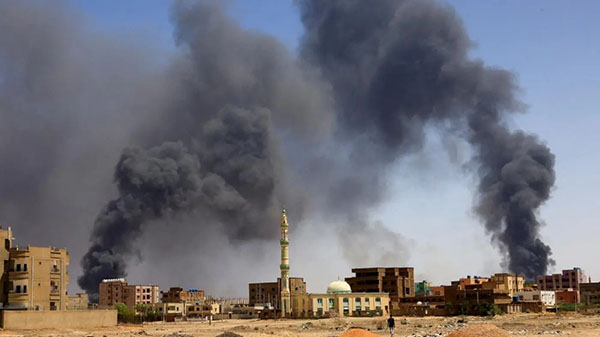
The Sudan conflict, 15th April 2023
The MRC experienced not only structural destruction but also functional collapse. Reports confirm that the Centre suffered extensive physical damage, with its laboratories, administrative offices, clinical areas, and supporting infrastructure either partially destroyed or rendered inoperable. Sensitive laboratory equipment was damaged, stolen, or left exposed to harsh environmental conditions, leading to the loss of precision instruments essential for diagnosis and research. The destruction extended to storage facilities, resulting in the loss of valuable biological specimens and reagents that had been carefully collected and preserved over decades.
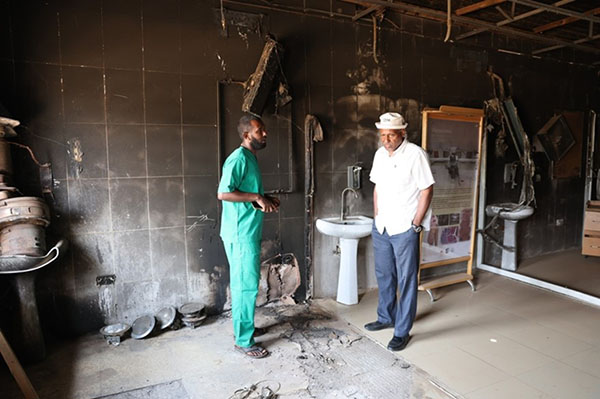
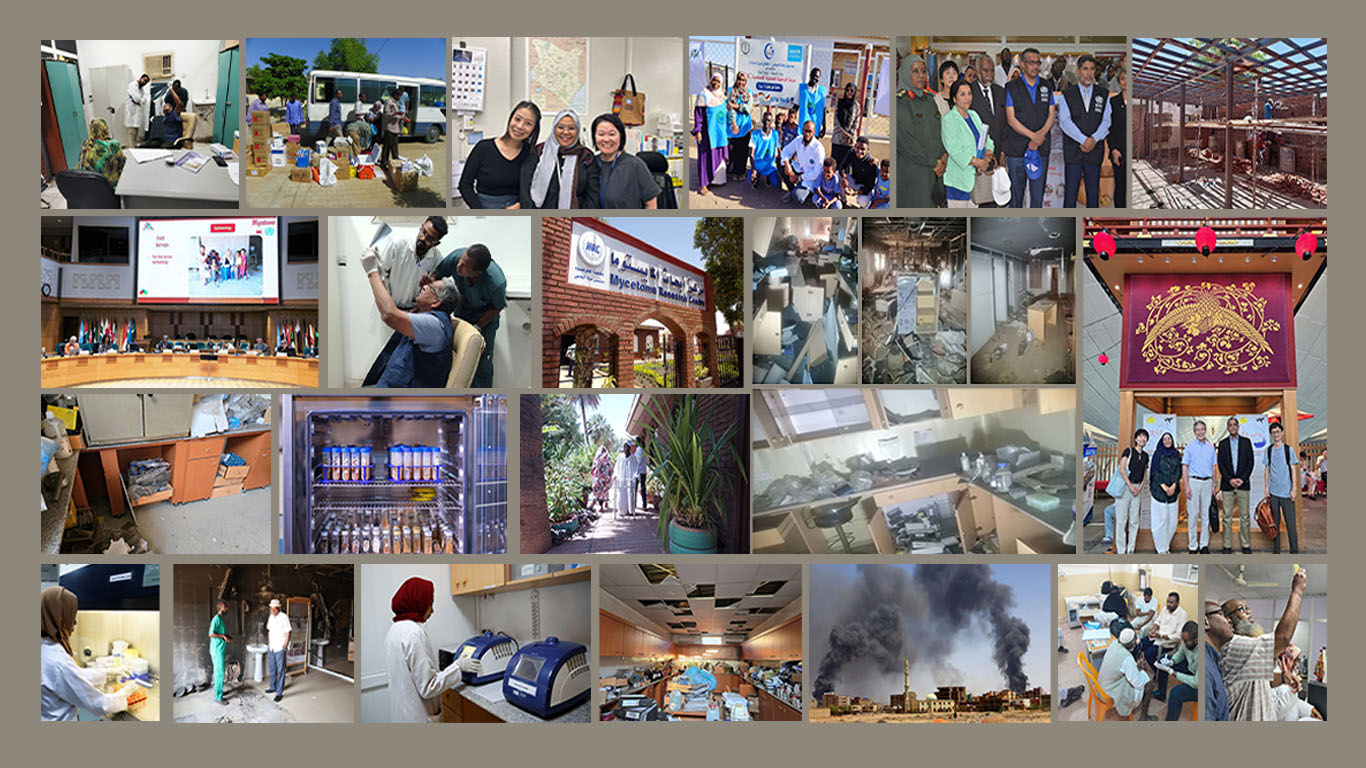
The Center suffered physical damage
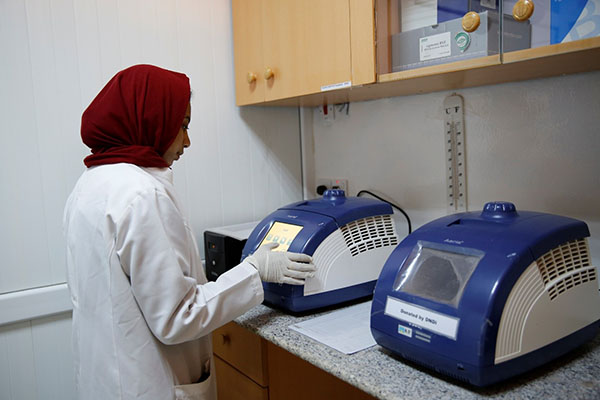
The laboratory, a few days prior to the war
The looting of the Centre further compounded the situation. Furniture, computers, medical supplies, and laboratory materials were removed, leaving behind empty and disrupted workspaces. This not only halted ongoing clinical and research activities but also erased critical data and documentation, including patient data and research archives. Such losses represent a significant setback, as much of this information was unique and not easily recoverable.
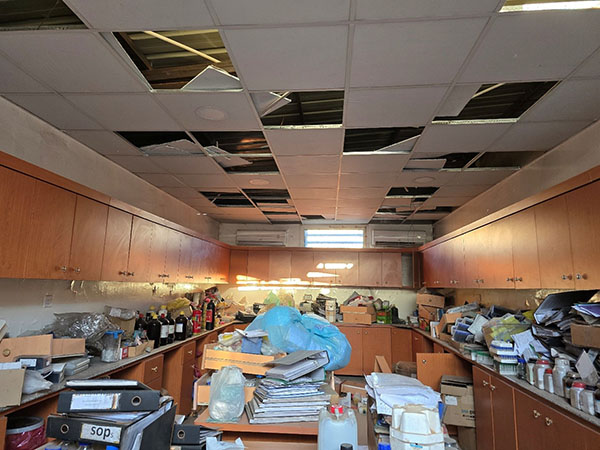
The mycology laboratory after the war
In addition to the visible physical damage, the conflict inflicted deeper systemic disruption. The collapse of utilities meant that even partially intact facilities could not function. Power outages compromised laboratory work and the preservation of samples, while lack of water and sanitation posed serious risks to infection control and patient care. Access to the Centre became difficult and unsafe, preventing both patients and staff from reaching the facility.
The recovery of the MRC represents the restoration of access to specialised, life-saving care that can prevent disability, reduce suffering,
and improve the quality of life.
The surrounding environment also contributed to the Centre’s deterioration. With prolonged periods of abandonment or limited access, buildings were exposed to neglect, environmental damage, and further vandalism. What had once been a vibrant hub of clinical excellence and scientific innovation was reduced to a non-functional space, unable to fulfil its critical role at both national and global levels.
This extensive damage to the Mycetoma Research Centre was not an isolated event but part of a broader pattern of destruction that affected Sudan’s already fragile health and research systems. However, given the Centre’s unique position as a global reference point for mycetoma, the impact of its damage resonated far beyond national borders, disrupting international research efforts and depriving vulnerable populations of essential specialised care.
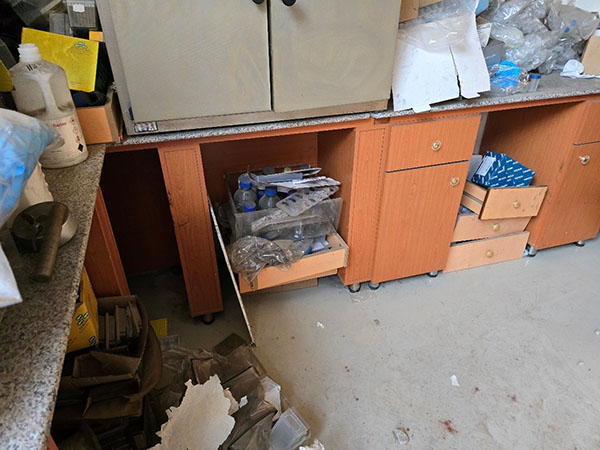
Damaged valuable biological material
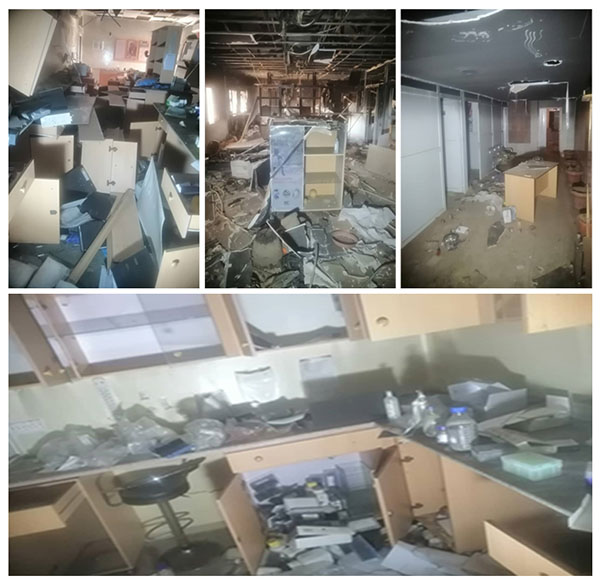
Massive infrastructure damage
This devastation had profound consequences
The war had profound and far-reaching consequences that extended well beyond the immediate physical damage to the MRC. It disrupted an entire ecosystem of care, research, and community engagement that had been carefully built over decades at the University of Khartoum in Khartoum.
One of the most significant losses was the destruction of decades of biological materials and scientific records. The Centre housed unique mycetoma databases, meticulously curated over more than 40 years, alongside extensive specimen biobanks containing clinical isolates, histopathological samples, environmental collections and reference materials. These resources were not only invaluable for ongoing research but also served as a global repository for scientists studying mycetoma. Their loss represents a major scientific setback, erasing irreplaceable data that underpinned epidemiological studies, diagnostic advancements, and the development of new treatment approaches.
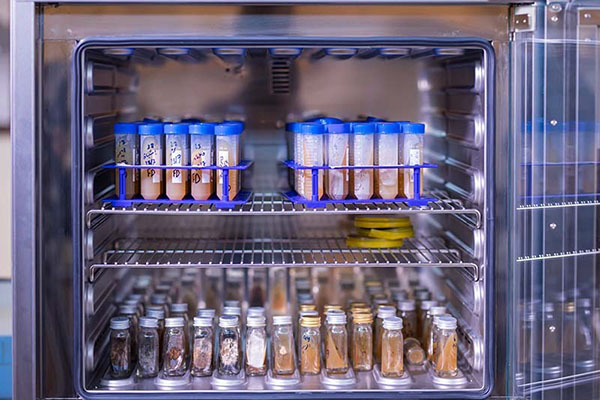
The MRC has a massive biobank collection and material
Equally devastating was the disruption of patient care. The MRC has long been a lifeline for thousands of patients from across Sudan and neighbouring countries, many of whom rely exclusively on its specialised services. With the Centre rendered non-functional, patients were left without access to accurate diagnosis, essential medications, surgical interventions, and long-term follow-up. Interruptions in care led to disease progression, increased complications, and, in many cases, avoidable disability. For a condition like mycetoma, where early diagnosis and sustained treatment are critical, this disruption had serious and lasting consequences for patients and their families.
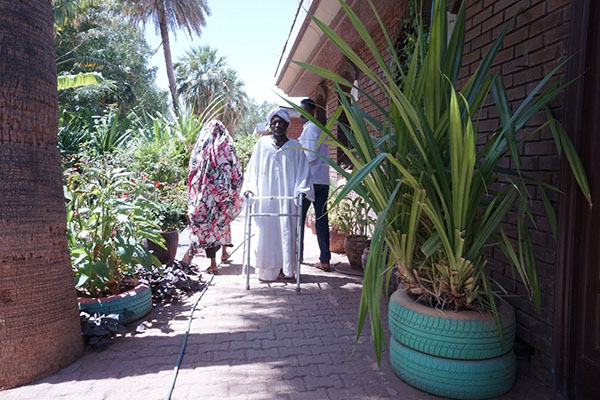
Thousands of patients lost their free medical care
The suspension of research and training programmes further compounded the impact. The MRC has been a hub for international collaboration, hosting clinical trials, operational research, and capacity-building initiatives in partnership with global institutions. The war abruptly halted these activities, delaying critical studies, interrupting clinical trials, and limiting the development of new knowledge and tools for mycetoma management. Training programmes for healthcare professionals, scientists, and students were also suspended, creating a capacity-building gap and slowing the pipeline of skilled personnel needed to address neglected tropical diseases.
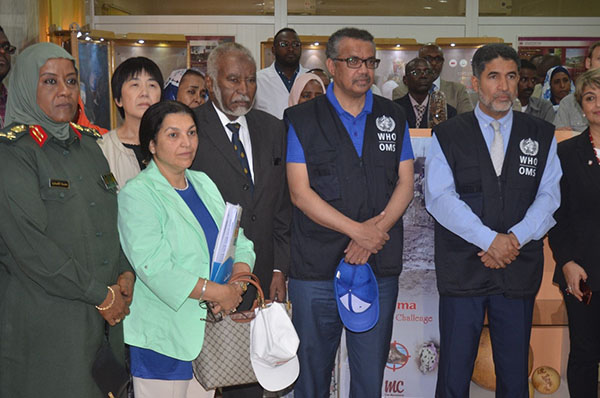
The WHO Director General, the EMRO Director and other senior officials visited the MRC in 2018
In addition, community engagement initiatives, an essential pillar of the Centre’s work, came to a complete stop. For years, the MRC had actively engaged with endemic communities through outreach programmes, health education campaigns, and early detection initiatives. These efforts were crucial in raising awareness, reducing stigma, and promoting early presentation for care. Their cessation meant that communities were left without guidance or support, likely contributing to delayed diagnosis and increased disease burden at the grassroots level.
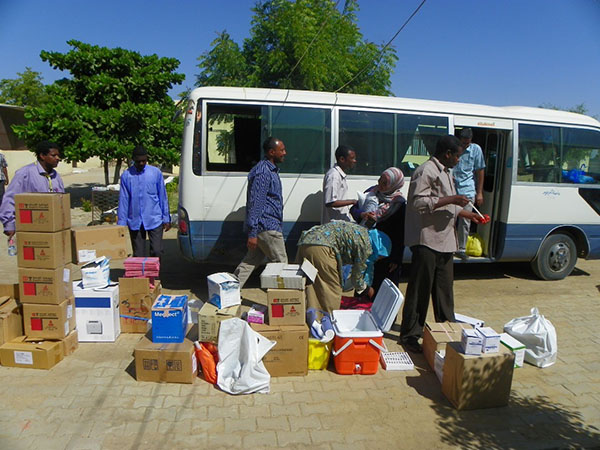
Field survery for early case detection and management at the White Nile State endemic villages
The cumulative effect of these disruptions was profound. The destruction of the MRC was not only a national tragedy but also a significant global hindrance in the fight against neglected tropical diseases. As one of the world’s leading centers dedicated to mycetoma, it played a role far beyond Sudan, influencing global policy, research priorities, and clinical practice. Its loss threatened to reverse decades of progress in understanding the disease, improving patient outcomes, and advocating for greater international attention to mycetoma and other skin NTDs.
The MRC revival symbolises resilience in the face of adversity and the determination to rebuild critical national institutions.
In this context, the damage to the Centre symbolised more than the loss of a facility, it represented a disruption to a global effort to address one of the most neglected health challenges affecting vulnerable populations.
A Story of Resilience and Determination
Despite the scale of destruction inflicted during the conflict, the recovery of the MRC stands as a compelling example of resilience, commitment, and forward-looking vision. In the aftermath of the war that devastated Khartoum, the Centre faced not only the challenge of rebuilding its physical structures but also the far more complex task of restoring its role as a national and global leader in mycetoma care, research, and training. Guided by dedicated leadership and supported by national stakeholders and international partners, the MRC embarked on a comprehensive and carefully phased rehabilitation process. This recovery was not a simple return to pre-war conditions, but rather a deliberate effort to rebuild stronger, restore confidence, and ensure sustainability in a fragile and evolving context.
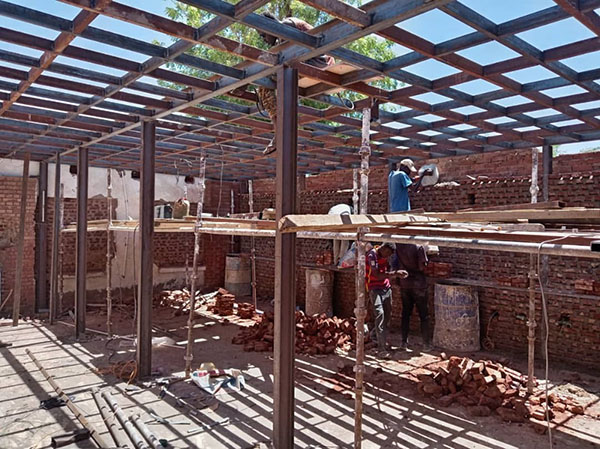
Rebuilding the physical damage
Reconstruction of the MRC was a tedious process
The rehabilitation of infrastructure formed the foundation of this recovery. Buildings that had been damaged, looted, or rendered unsafe required extensive repair and, in some cases, partial reconstruction. Laboratories were among the most affected areas, requiring not only structural rehabilitation but also the reinstallation of specialised equipment and the restoration of controlled environments necessary for scientific work. Clinical spaces were restored to meet safety and infection-prevention standards, while essential utilities, including electricity, water supply, and waste management systems, were re-established. This process transformed the Centre from a non-functional space back into a safe and operational environment for both patients and staff.
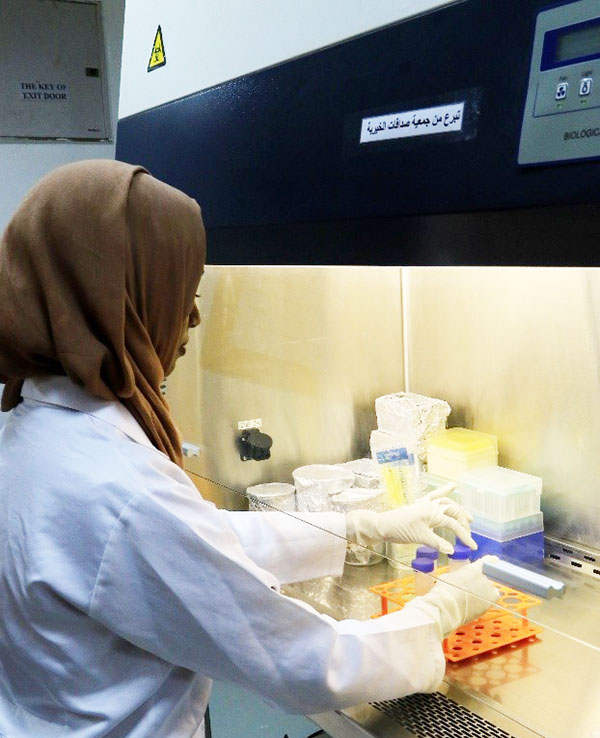
High quality laboraotory equiment were lost during the War
As the physical environment gradually improved, the Centre turned its attention to restoring its core services. The reopening of outpatient clinics was a critical milestone, allowing patients, many of whom had endured prolonged interruptions in care, to once again access specialised diagnosis and treatment. Laboratory diagnostic services, including microbiology and histopathology, were reintroduced in phases, enabling accurate case confirmation and guiding clinical decision-making. Imaging and surgical services were provided, ensuring that patients with advanced disease received comprehensive management.
Equally important was the revival of community engagement initiatives. Prior to the conflict, these programmes played a vital role in raising awareness, promoting early detection, and reducing stigma associated with mycetoma. Their reinstatement reconnected the Center with affected communities, helping to rebuild trust and encourage patients to seek care at earlier stages of the disease. In parallel, the Center resumed its role in medical and health staff training and education, recognising that strengthening human capacity is essential for long-term impact. Workshops, hands-on training, and professional development activities were gradually reintroduced, contributing to the rebuilding of a skilled workforce.
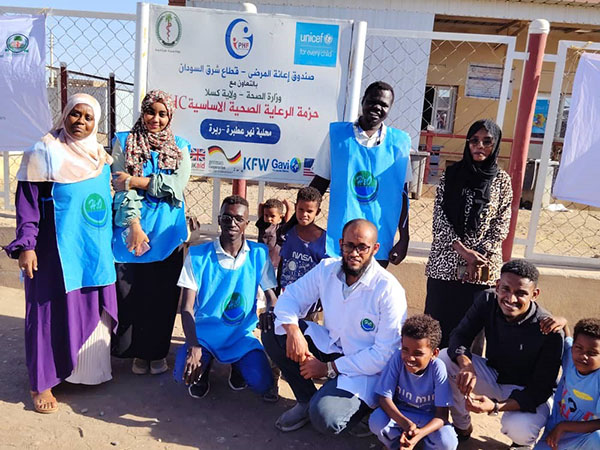
Field survey at New Halfa Locality, Kassala State in 2026
These restored services were essential in addressing the significant backlog of untreated and advanced cases that had accumulated during the conflict. Many patients returned with more severe disease presentations, requiring complex and resource-intensive management. The Centre’s ability to respond to this surge was a critical indicator of its recovery.
The Centre’s recovery ensures continuity in the global fight against mycetoma and other neglected tropical diseases of the skin.
Rebuilding research capacity presented a different but equally demanding challenge. The loss of valuable data and biological materials forced some research efforts to be restarted from the ground up. Nevertheless, the Centre moved proactively to re-establish its research programmes, focusing on priority areas in mycetoma diagnosis, treatment, and epidemiology. Reconnecting with international collaborators was a key step in this process, restoring partnerships that had been disrupted by the war. Through these collaborations, the Centre began to regain its position within the global research community and to resume clinical studies and innovation in mycetoma management. This phase required not only infrastructure and funding but also the rebuilding of trust, scientific networks, and shared momentum.
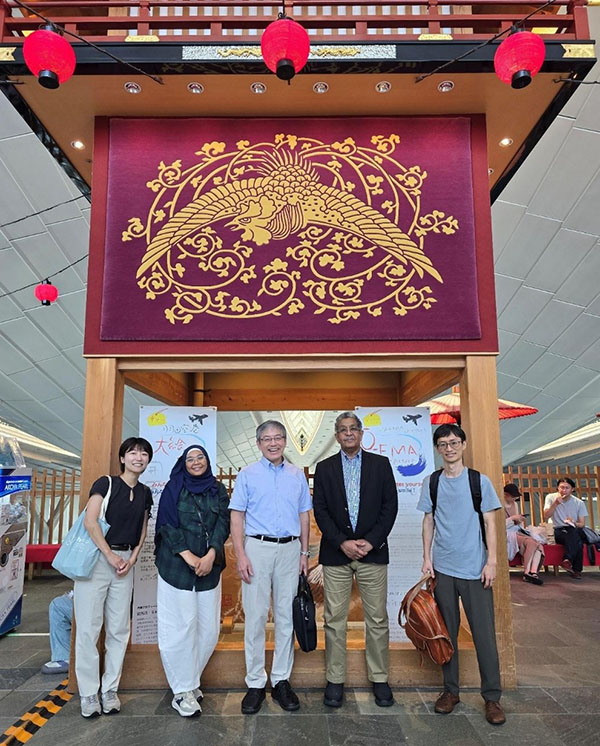
The MRC participated in the TICAD9 at Yokohama City, Japan
At the heart of the recovery was the restoration of human resources. The conflict had displaced many healthcare workers, researchers, and support staff, subjecting them to significant personal and professional challenges. Reassembling this multidisciplinary team was essential to the Centre’s revival. Efforts were made to support staff return, provide a stable working environment, and re-engage them in the Centre’s mission. At the same time, training programmes for young scientists, clinicians, and healthcare workers were reinitiated, ensuring continuity in knowledge transfer and capacity building. This investment in people reinforced the Centre’s long-term sustainability and resilience.
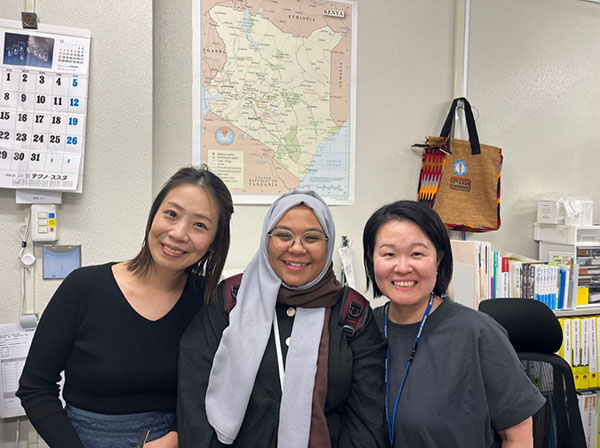
Ms Elnour, a Research Assistant and Master’s student at Nagasaki University
Taken together, these efforts reflect a recovery process that goes far beyond reconstruction. It is a story of determination in the face of adversity, of a committed institution refusing to lose its purpose, and of a collective effort—local and global—to restore a vital centre of excellence. The Mycetoma Research Centre’s journey from devastation to renewed activity underscores the power of resilience and the enduring importance of institutions dedicated to serving the most vulnerable populations.
Resumption of Activities
Following the rehabilitation of its premises, the MRC progressively resumed its wide range of activities, reaffirming its position as a national and global centre of excellence in mycetoma and neglected tropical diseases of the skin. The reopening was not merely symbolic; it marked the restoration of an integrated model that combines patient care, research, training, and community outreach within a single institution.
From the infrastructure destruction and the loss of invaluable data and services, the Centre has risen again through collective effort, strong leadership, and unwavering commitment to its mission.
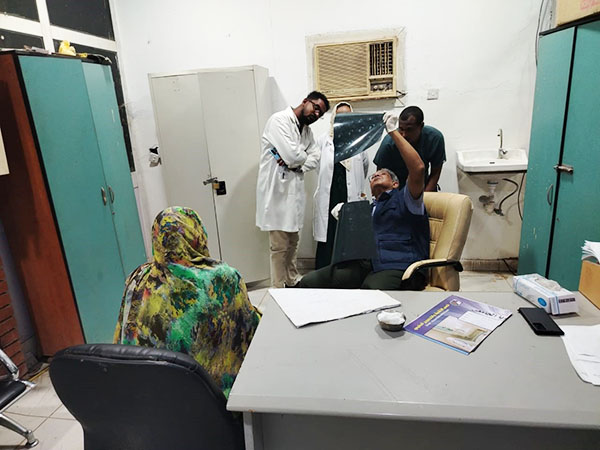
Patient care services were among the first and most critical functions to be fully restored. The Centre resumed its comprehensive, multidisciplinary approach to managing mycetoma, bringing together clinicians, surgeons, microbiologists, radiologists, and allied health professionals to provide holistic care. Patients once again had access to accurate diagnosis, appropriate medical therapy, surgical management when needed, and long-term follow-up. The return of these services was particularly significant in addressing the backlog of complex cases that had accumulated during the conflict, many of which required urgent, specialised intervention.
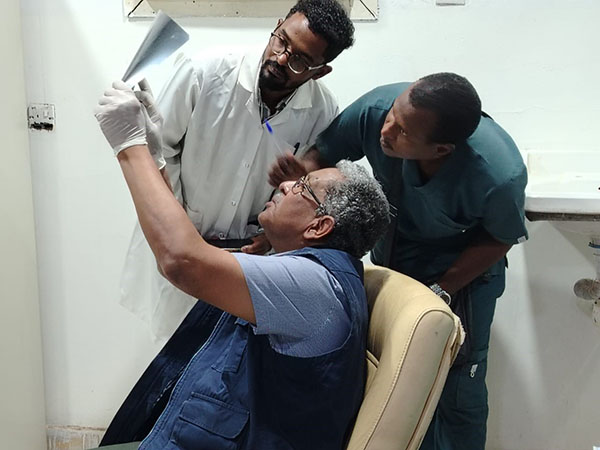
Discussion on patients’ management
At the same time, the Centre revitalised its role in research and innovation. Clinical trials and operational research activities gradually resumed, focusing on improving diagnostic tools, optimising treatment regimens, and understanding disease patterns. Despite the earlier loss of valuable data and specimens, the MRC demonstrated remarkable adaptability by initiating new research pathways, such as artificial intelligence in mycetoma management, and rebuilding its scientific portfolio. Its re-engagement with international research networks reaffirmed its standing as a key contributor to the global fight against mycetoma. During the war, the MRC published 57 articles in highly reputable journals.
Training and education also regained momentum. The Centre resumed capacity-building programmes aimed at healthcare professionals, including doctors, laboratory scientists, nurses, and public health workers. These programmes are essential for strengthening the broader health system, ensuring that knowledge and skills related to mycetoma diagnosis and management are disseminated beyond the Centre. Through workshops, clinical attachments, and academic collaborations, the MRC remained a hub for learning and professional development.
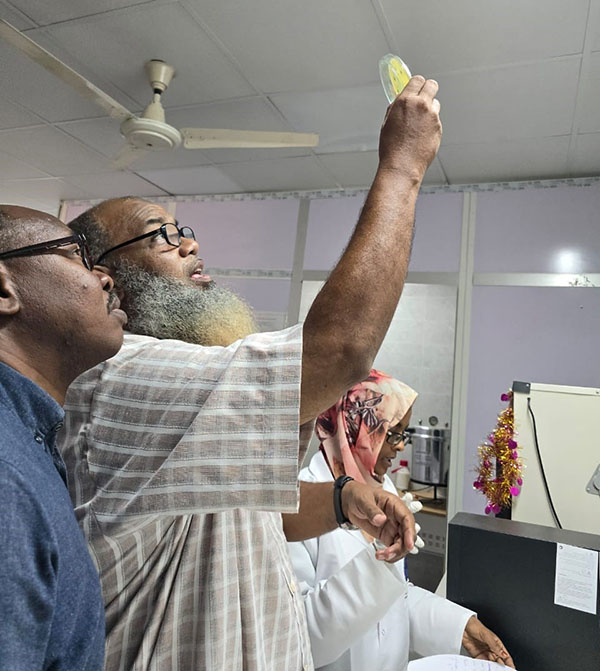
A training session at the Kassala Public Health laboratory
Advocacy and awareness efforts were reactivated, reinforcing the Centre’s long-standing commitment to elevating mycetoma on the global health agenda. Through scientific publications, conferences, and partnerships with international organisations such as the World Health Organization, the MRC continued to advocate for increased recognition, funding, and coordinated action against mycetoma as a neglected tropical disease. These efforts are crucial in sustaining global attention and mobilising resources for affected populations.
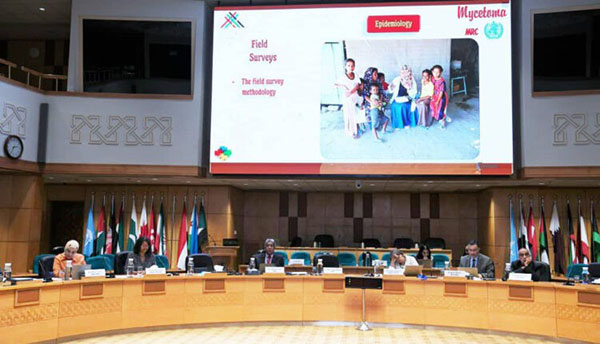
EMRO organised a webinar on the extensive MRC damage in 2025.
Community engagement initiatives, a cornerstone of the Centre’s work, were also reinstated with renewed energy. Outreach programmes were conducted in mycetoma-endemic regions, focusing on early case detection, health education, and community awareness. These initiatives play a vital role in reducing delays in seeking care, addressing stigma, and promoting preventive practices. By reconnecting with communities, the Centre re-established trust and strengthened its impact at the grassroots level.
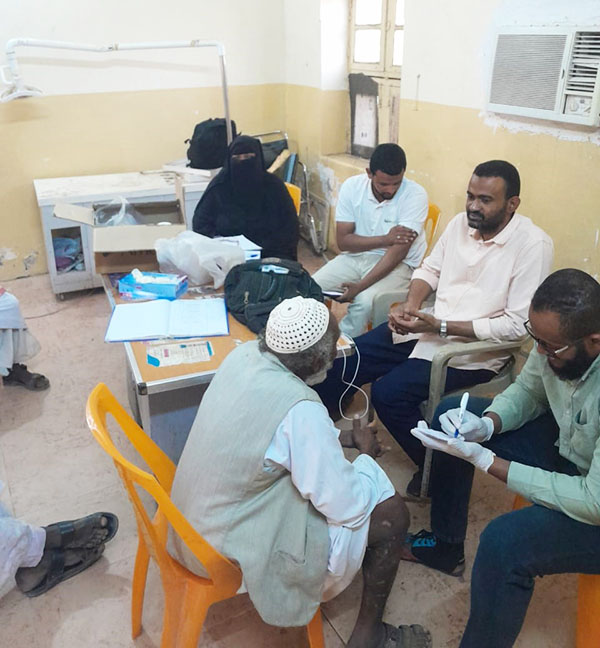
Field survey to Halfa locality, Kassala State
A particularly notable development during this phase of recovery was the establishment of a new satellite centre in Kassala State. This expansion reflects a strategic vision to decentralise services and bring care closer to affected populations in endemic areas. The satellite centre enhances access to diagnosis and treatment, reduces the burden on patients who would otherwise need to travel long distances, and strengthens regional capacity for managing mycetoma.
The reopening of the MRC restored hope not only to patients in Sudan but also to the global scientific and medical community working on neglected tropical diseases. It signalled the return of a vital institution whose contributions extend far beyond national boundaries.
Significance of the Recovery
The recovery of the Mycetoma Research Centre carries profound and multi-layered significance. For patients, it represents the restoration of access to specialised, life-saving care that can prevent disability, reduce suffering, and improve quality of life. For many individuals affected by mycetoma, the Centre is not just a healthcare facility but a lifeline.
For Sudan, the revival of the MRC symbolises resilience in the face of adversity and the determination to rebuild critical national institutions. At a time when much of the country’s health and academic infrastructure has been severely disrupted, the recovery of such a specialised and globally recognised centre demonstrates what can be achieved through commitment, collaboration, and vision.
The revival of the MRC stands as a powerful example of recovery
against the odds.
From a global health perspective, the Centre’s recovery ensures continuity in the fight against mycetoma and other neglected tropical diseases of the skin. The MRC plays a unique role in generating evidence, shaping policy, and training experts, and its return helps safeguard decades of progress in this field. Without its contributions, efforts to control and eventually eliminate mycetoma would face significant setbacks.
At a time when Sudan’s health system has been pushed to the brink, with a large proportion of healthcare facilities rendered non-functional during the conflict, the revival of the MRC stands as a powerful example of recovery against the odds. It highlights the importance of investing in resilient health systems and the critical role of specialised centres in addressing complex diseases.
Conclusion
The story of the Mycetoma Research Centre after the Sudan war is one of profound loss, but more importantly, one of renewal and determination. From the destruction of infrastructure and the loss of invaluable data and services, the Centre has risen again through collective effort, and unwavering commitment to its mission.
Today, the MRC once again stands as a global leader in mycetoma research and care. Its recovery demonstrates that even in the aftermath of conflict, scientific and medical institutions can rebuild, adapt, and continue to make a meaningful difference. More than that, it shows that hope, when combined with action and collaboration, can restore not only buildings and systems but also the lives and futures of those most in need.
Appreciation and Acknowledgement
Many organisations and individuals had contributed to the recovery of the MRC; to mention but a few:
• Dr Haitham Mohamed Ibrahim, The Federal Minister of Health, Sudan
• Sudatel Telecom Group, Ltd, Sudan
• Drugs for Neglected Diseases, Geneva
• Eisai Pharmaceutical Company, Japan
• FuHong Construction, Roads & Bridges Enterprise, China
• Bashayer Pipeline Company, Sudan
• Rocinantes, Japan
• University of Khartoum
• The National University – Sudan
• Soba University Hospital
• Mr Mohamed Zayada Satti, Qatar
• Eng Ahmed Gaili
• Eng Mohaemd Awad
• Eng Yousif Ahmed Yousif
Useful links
- https://www.theguardian.com/global-development/2025/may/08/gleaming-labs-turned-to-rubble-scientists-mourn-the-loss-of-decades-of-medical-progress-in-sudan?utm_source=chatgpt.com
- https://www.dabangasudan.org/en/all-news/article/war-destroys-the-mycetoma-research-centre-in-sudan-a-health-catastrophe-threatens-the-lives-of-the-poor?utm_source=chatgpt.com
- https://www.newarab.com/news/sudan-war-destroys-worlds-oldest-mycetoma-research-centre?utm_source=chatgpt.com
- https://emaar.site/