The Research & Development Department
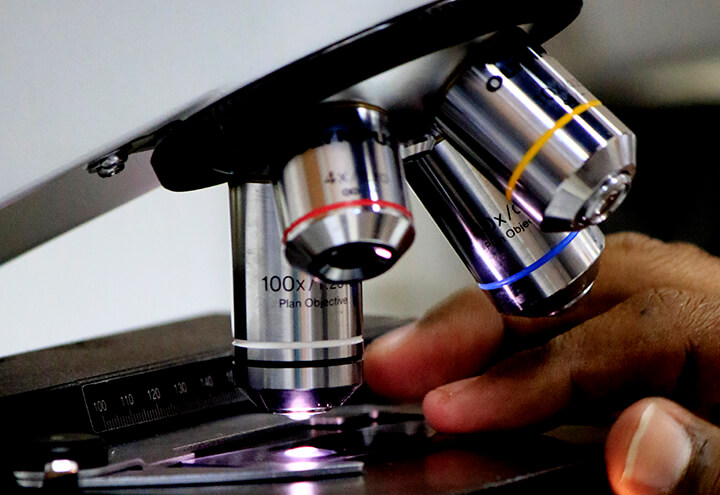
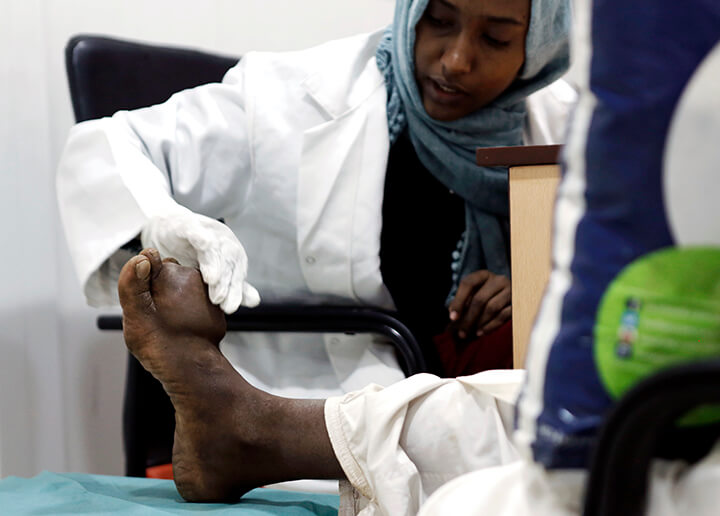
Mycetoma poses significant health challenges in Sudan and other endemic regions. Despite progress in diagnosis and management, a pressing need remains for innovative research to develop more effective diagnostics and treatments, understand epidemiological patterns, and harness emerging technologies to enhance disease control.
The R&D Department at the Mycetoma Research Centre (MRC), with its specialised units, has substantially strengthened its capacity to combat mycetoma through pioneering research, advanced diagnostic tools, and strategic public health initiatives. This effort aligns with national health priorities and global initiatives targeting neglected tropical diseases, ultimately aiming to improve patient outcomes and community health both in Sudan and internationally.
Addressing the limitations of current therapies, which are often ineffective and associated with high morbidity, the department emphasises the urgent development of targeted, novel treatments. Likewise, the need for new point-of-care diagnostics is highlighted. Equally important is the need to generate comprehensive data to inform public health strategies and optimise resource allocation.
The integration of cutting-edge technologies, such as Artificial Intelligence, holds promise to revolutionise diagnosis, predict disease trends, and enable personalised patient management.
Building local capacity by establishing specialised units is vital for fostering expertise, attracting funding, and promoting collaborations with international research organisations.
Ultimately, tackling mycetoma not only advances national health objectives but also significantly contributes to global efforts against neglected tropical diseases, leading to improved health outcomes worldwide.
The Units and Activities
The Drug Discovery Unit
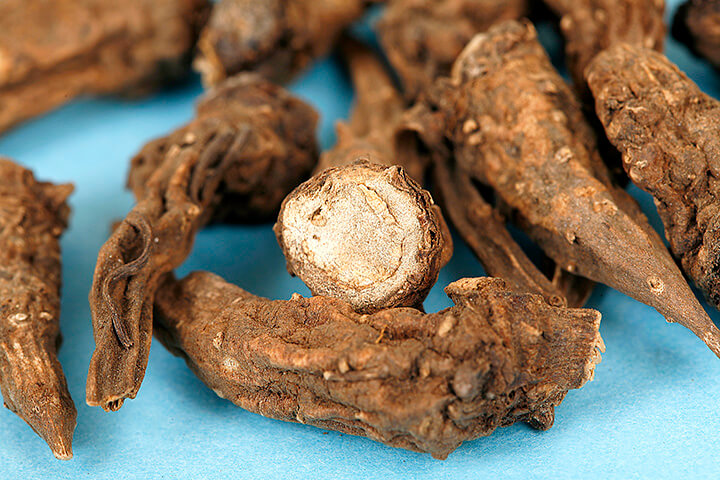
It is dedicated to identifying and developing new treatments for mycetoma. This unit focuses on screening both natural and synthetic compounds to determine their anti-mycetoma activity. This involves conducting in vitro studies, which are performed in a controlled environment outside of a living organism, and in vivo studies, which are conducted within a living organism to evaluate the efficacy and safety of these compounds. The unit collaborates with pharmaceutical industries and research institutions to leverage their expertise and resources, facilitating the development of new therapeutics. By working together, they aim to create effective and safe treatments for mycetoma.
The Artificial Intelligence Unit
It harnesses the power of machine learning and AI to improve healthcare outcomes. This unit develops machine learning models that assist in the early diagnosis of diseases by analysing imaging and clinical data. These models help identify patterns and biomarkers that are indicative of specific conditions, enabling early intervention. Additionally, the unit creates predictive models to forecast disease outbreaks and progression, which can be crucial for timely interventions. By automating data analysis, they can quickly identify important trends and insights. The unit also supports telemedicine and remote diagnosis efforts, making healthcare more accessible to people in remote or underserved areas.
The Epidemiology Unit
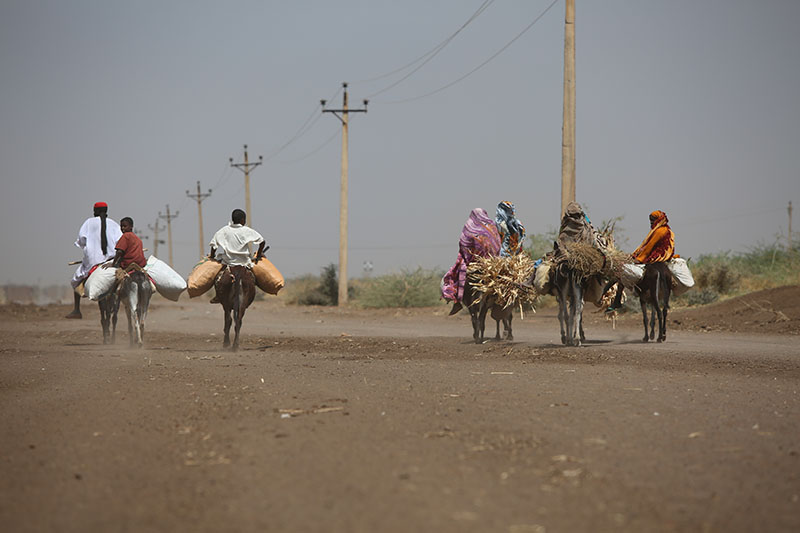
It is focused on understanding the distribution and determinants of health and diseases in populations. This unit collects and analyses epidemiological data to identify trends and risk factors associated with various diseases. By mapping disease prevalence and understanding the factors that contribute to the spread of diseases, they can develop effective public health strategies. The unit conducts community surveys and field studies to gather data directly from the population, providing valuable insights into the health status of communities. They publish reports that inform policy and intervention programs, helping to improve public health outcomes.
The Bioinformatics Unit
It plays a crucial role in the analysis and interpretation of genomic data. This unit is involved in the collection and sequencing of genomic data from mycetoma patients and the causative agents of the disease. They collaborate with sequencing laboratories to ensure the data is of high quality. The unit analyses genomic sequences to identify genes, mutations, and resistance markers that are important for understanding the disease. They annotate genomes to uncover pathogenicity factors and virulence mechanisms. By comparing the genomes of different strains, they can understand genetic diversity and epidemiological patterns, which can help identify potential targets for drug development. The unit also constructs phylogenetic trees to trace the evolution and spread of causative agents and studies genetic relationships between isolates from various geographic regions. Additionally, they develop and maintain a genomic database that facilitates data sharing and collaborative research among local and international researchers.