Field Visit Report: Early Detection, Diagnosis, and Management of Mycetoma at Halfa Locality, Kassala State, Sudan
Field Visit Report:
Early Detection, Diagnosis, and Management of Mycetoma at Halfa Locality, Kassala State, Sudan
Location: Safia and Rara villages, Halfa Locality, Kassala State, Sudan
Dates: 12 & 16 April 2026
Conducted by: Kassala Mycetoma Research Satellite
Sponsors: Water Organisation (NGO), Ministry of Health, Kassala State and Federal Ministry of Health
Mycetoma remains a major public health concern in endemic regions of Sudan, where patients often present at advanced stages of the disease, resulting in significant morbidity, disability, and socioeconomic burden. In this context, the Kassala Mycetoma Research Satellite conducted a two-day field visit to Halafa Locality, covering Safia and Rara villages. This initiative was designed to promote early detection of mycetoma cases, facilitate timely diagnosis and management, and ultimately improve patient outcomes while reducing the burden on affected individuals and their families.
The visit targeted a wide segment of the population, including farmers and manual workers who are at particularly high risk due to frequent exposure to soil and minor trauma, as well as children, youth, and women. Engaging these groups was essential to ensure broad community coverage and to address both current cases and future prevention through awareness.
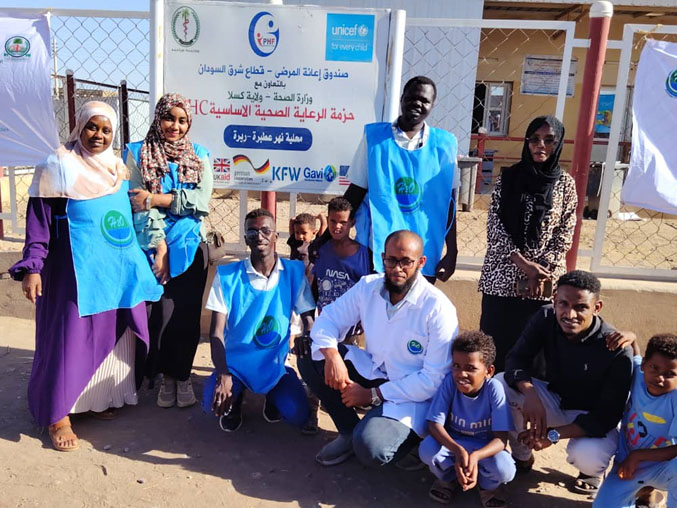
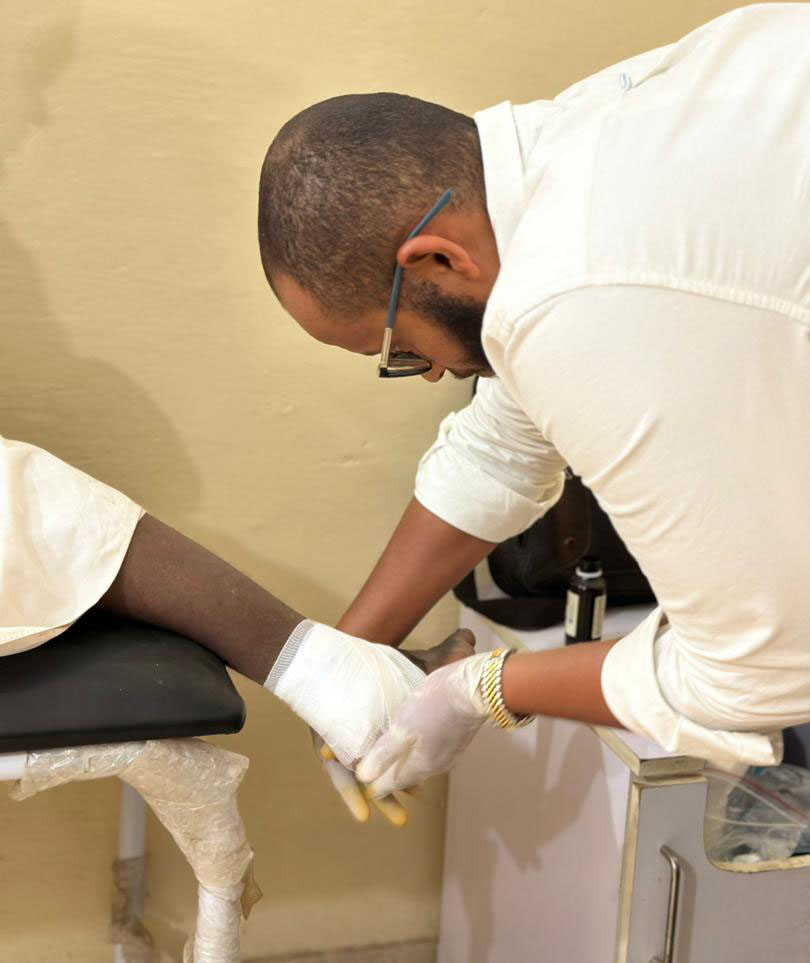
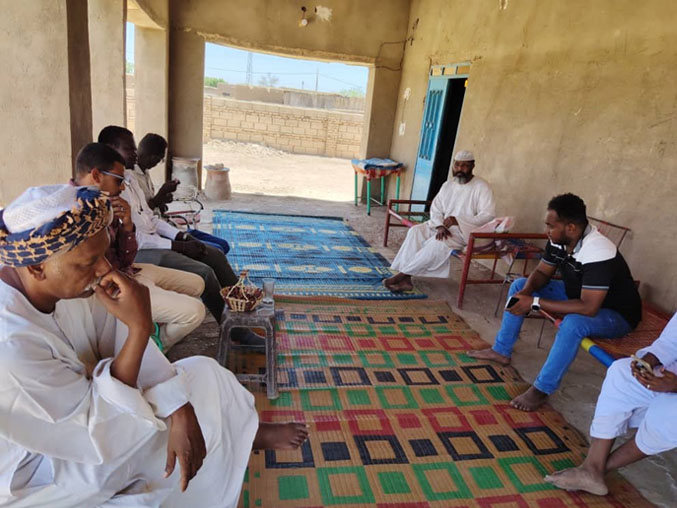
A range of clinical and community-based activities were conducted during the visit. Patients attending the outreach were subjected to detailed clinical interviews, during which comprehensive medical histories were obtained with particular attention to early symptoms, duration of illness, occupational exposure, and previous treatment attempts. This was followed by meticulous clinical examinations aimed at identifying characteristic signs of mycetoma and differentiating suspected cases from other conditions. Individuals identified as suspected cases were carefully counselled and referred to Kassala Teaching Hospital for further investigations, diagnosis confirmation, and initiation of appropriate treatment.
In parallel with the clinical work, extensive health education and advocacy sessions were conducted within the community. These sessions focused on raising awareness about mycetoma, highlighting its early signs and symptoms, modes of transmission, and risk factors, particularly the role of minor trauma and environmental exposure. Emphasis was placed on the importance of early presentation to health facilities, as early diagnosis significantly improves treatment outcomes and reduces complications. The sessions also addressed common misconceptions and encouraged community members to seek timely medical advice rather than relying on traditional remedies.
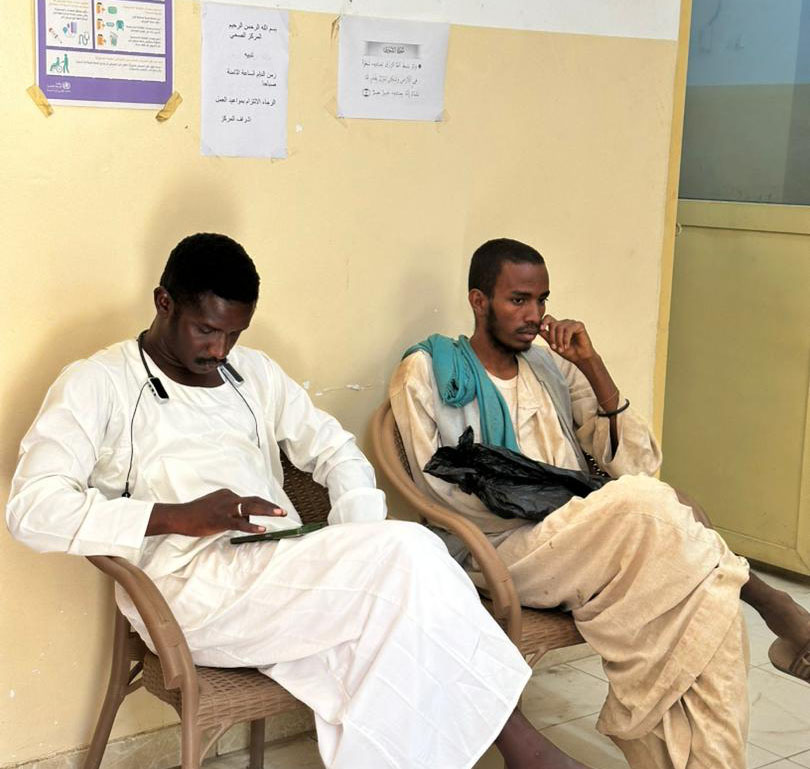
A total of 70 individuals were examined during the field visit, including 33 males and 37 females, reflecting good community participation across genders. Among those seen, 27 individuals were identified as suspected cases of mycetoma based on clinical assessment. Another 13 patients were confirmed to have mycetoma, indicating a substantial burden of disease within the surveyed communities. These findings highlight the silent, often underrecognised nature of mycetoma in endemic areas and reinforce the importance of active case-finding through field outreach activities.
The impact of the visit was multifaceted. It enabled early detection of cases that might otherwise have progressed to advanced disease, thereby improving the chances of successful treatment and reducing the likelihood of severe complications such as deformity or amputation. The referral of suspected cases established a critical link between the community and specialised healthcare services, ensuring continuity of care. Additionally, the health education sessions increased community awareness, which is expected to promote earlier health-seeking behaviour and support prevention efforts.
Despite these achievements, several challenges were encountered. Access to diagnostic and treatment services remains limited at the peripheral level, necessitating referrals to higher-level facilities that may not be easily accessible to all patients. Financial constraints continue to pose a significant barrier, affecting patients’ ability to travel, undergo investigations, and adhere to prolonged treatment regimens. Furthermore, there is a need for sustained and structured awareness programmes to ensure that the knowledge gained during such visits is maintained and disseminated within the community.
The experience from this field visit underscores the importance of regular outreach activities as an effective strategy for early case detection and management of mycetoma. Expanding such initiatives will help to reduce disease burden and prevent long-term complications. Ensuring the provision of free or subsidised diagnostic and treatment services is essential to improve access and equity in care. Moreover, integrating mycetoma control efforts with other neglected tropical diseases programs offers a practical and cost-effective approach to strengthening healthcare delivery in endemic regions.
In conclusion, the field visit to Halfa Locality clearly demonstrated the value of community-based interventions in addressing mycetoma. Through early detection, timely referral, and increased awareness, such efforts significantly improve patient outcomes and reduce the overall burden of the disease. Sustained commitment to these approaches, combined with strengthened healthcare systems and community engagement, will be crucial in advancing the control and eventual elimination of mycetoma as a public health problem in Sudan.