Drugs for Neglected Diseases initiative Site Feasibility Visit to the Mycetoma Research Center
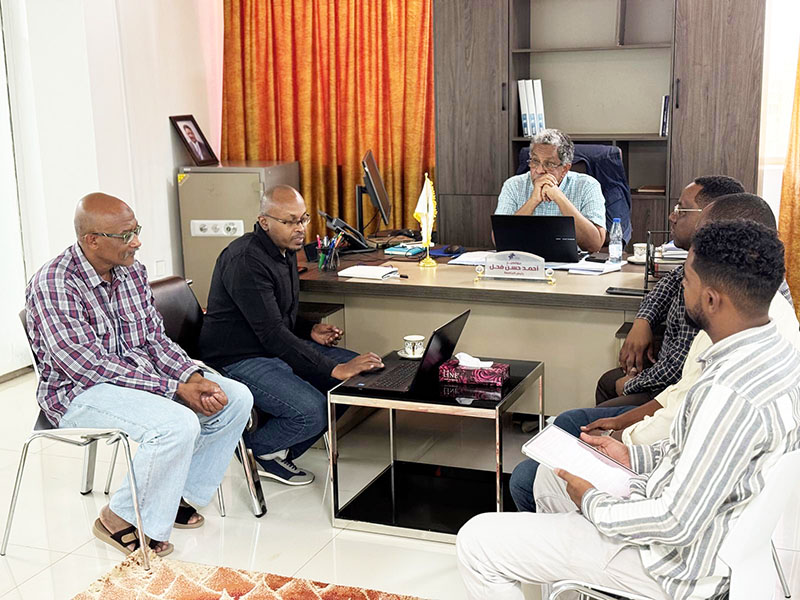
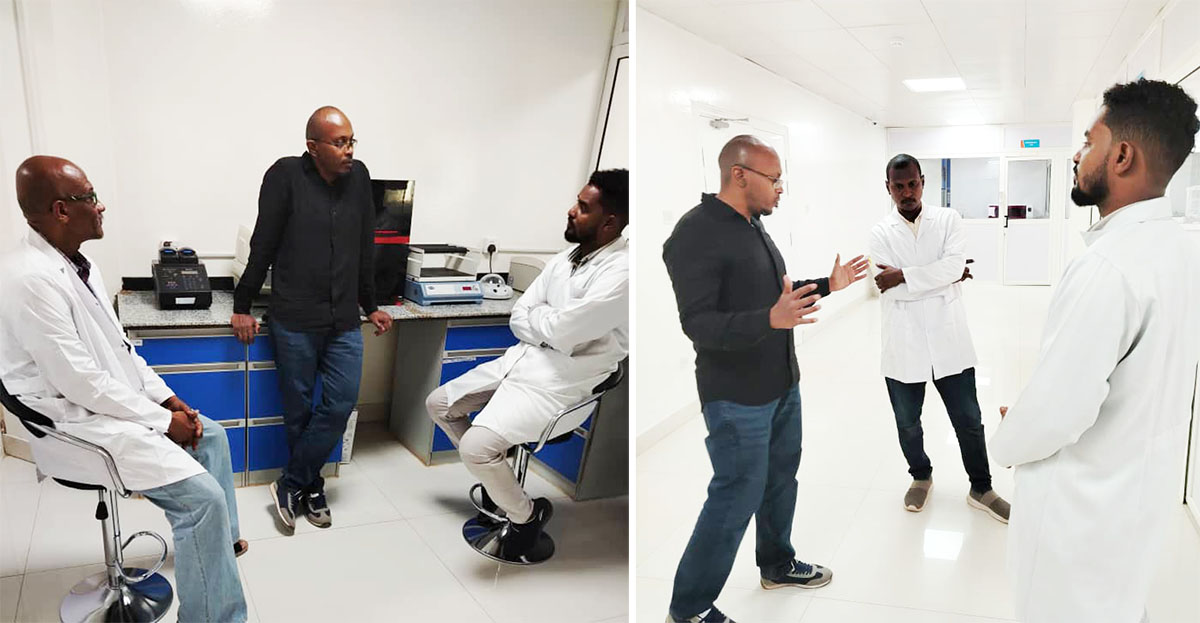
Dr Wayel Eltigani, representing the Drugs for Neglected Diseases initiative (DNDi), conducted a comprehensive Site Feasibility Visit to the Mycetoma Research Center in Khartoum State on 15–16 April 2026. The purpose of this visit was to evaluate the Centre’s readiness to implement the Early Access Cohort Protocol for Fosravuconazole in the treatment of eumycetoma. This chronic and debilitating neglected tropical disease remains highly endemic in Sudan.
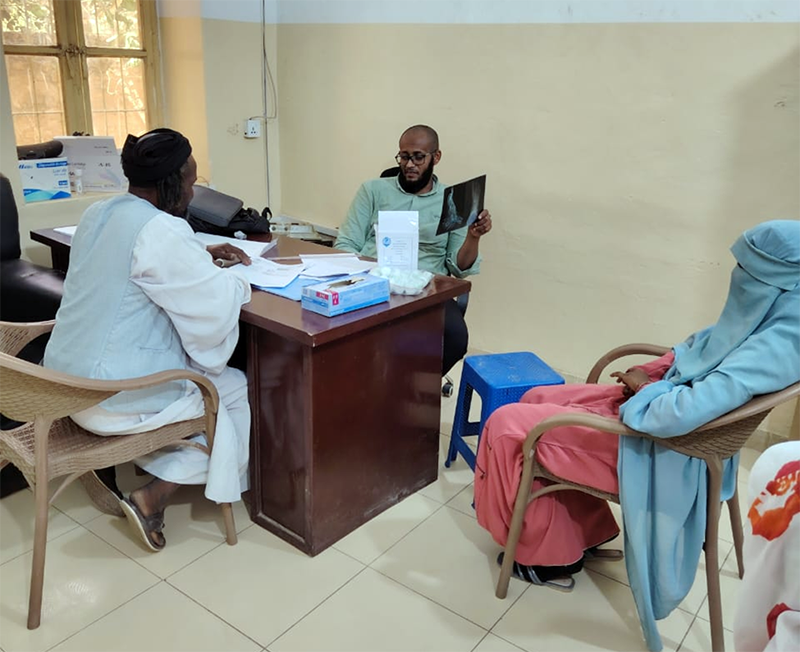
During the visit, a detailed assessment was conducted across key operational units essential to the implementation of clinical research. The outpatient clinic was evaluated on patient flow, case documentation, and follow-up capacity, ensuring it can support systematic recruitment and longitudinal monitoring of study participants. The pharmacy was reviewed for its storage conditions, drug accountability systems, and compliance with Good Clinical Practice (GCP) standards, particularly regarding the handling of investigational medicinal products.
In addition, the medical laboratory department underwent a thorough inspection to assess its diagnostic capabilities, including molecular and mycological investigations, sample processing, and quality assurance systems. The imaging department was also evaluated, with particular attention to its ability to provide standardised radiological assessments required for disease staging and monitoring treatment response in eumycetoma patients.
Preliminary findings from the visit indicate that the Center has a strong foundation, with experienced personnel and established clinical services. However, some targeted capacity strengthening and procedural refinements are recommended to align with international clinical trial standards fully. Upon receiving final approval from DNDi, the study will be implemented in accordance with internationally recognised ethical and scientific guidelines, ensuring patient safety, data integrity, and regulatory compliance.
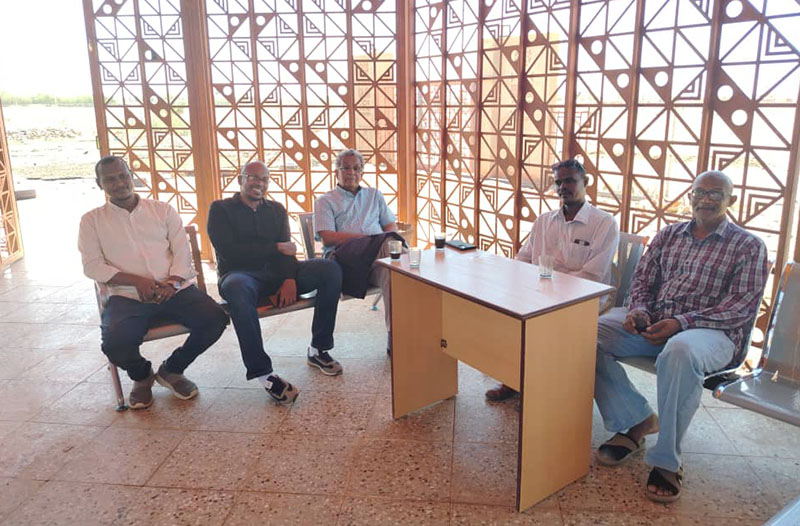
Meanwhile, encouraging progress has been reported from the Kassala Mycetoma Research Satellite, where the study is already underway. The Kassala site is actively enrolling and following up patients under the same protocol, providing valuable early insights into the feasibility and potential impact of Fosravuconazole in real-world endemic settings. This parallel progress highlights Sudan’s growing role as a key contributor to global efforts to improve access to effective treatments for mycetoma.