Back on track: Resumption Anchored in Resilience
The Mycetoma Research Centre (MRC), University of Khartoum, Sudan, a WHO Collaborating Centre, has officially resumed its core activities following a suspension due to the conflict in Sudan. The war caused widespread and severe disruption to the country’s health services, research institutions, and academic infrastructure, significantly impairing the Centre’s ability to provide essential patient care, sustain research programmes, and continue its training and educational mission. Despite these extraordinary challenges, the MRC has shown notable resilience and determination, remaining firmly committed to its long-standing mandate of excellence in clinical service delivery, scientific research, education, and community engagement.
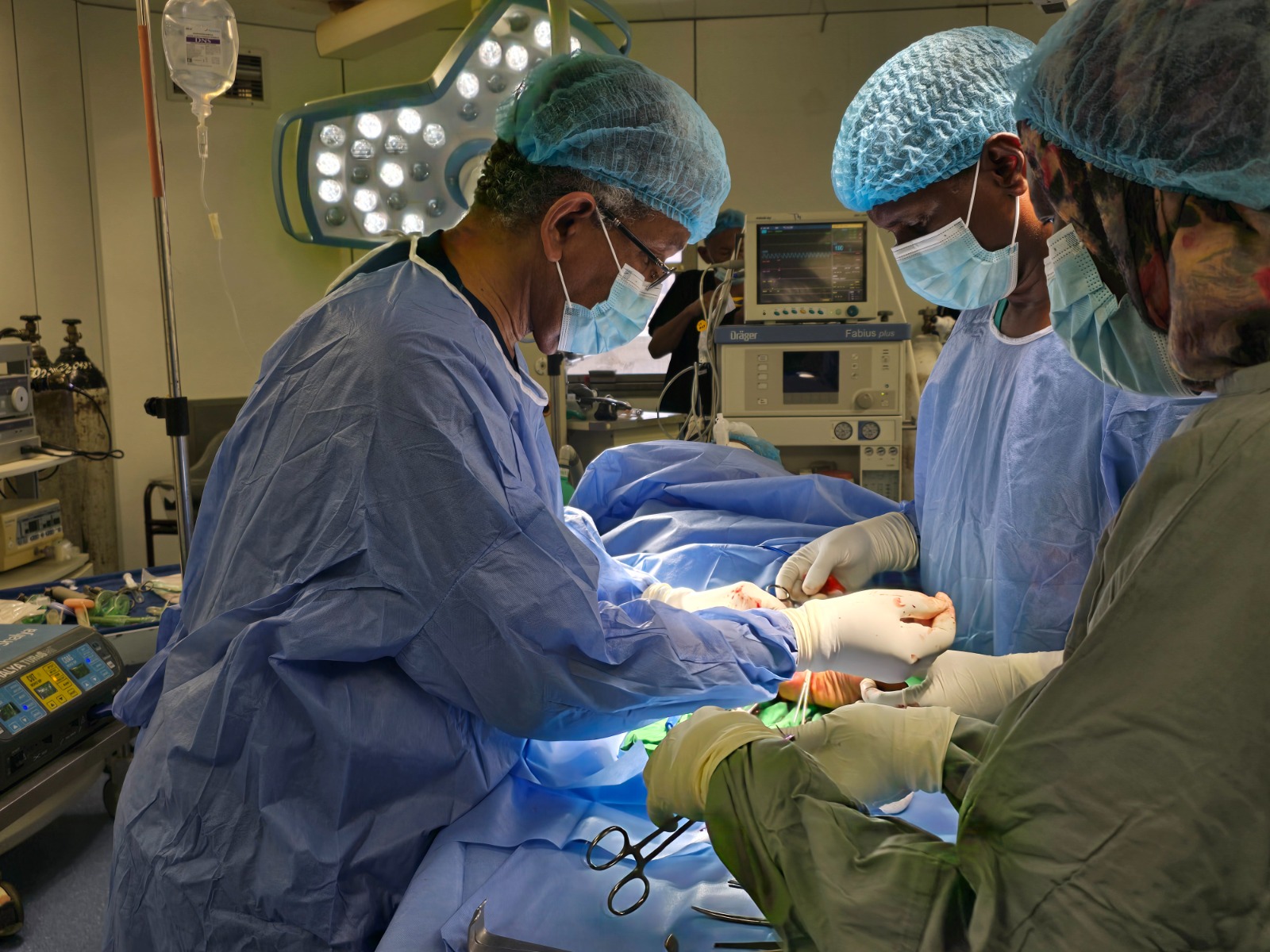
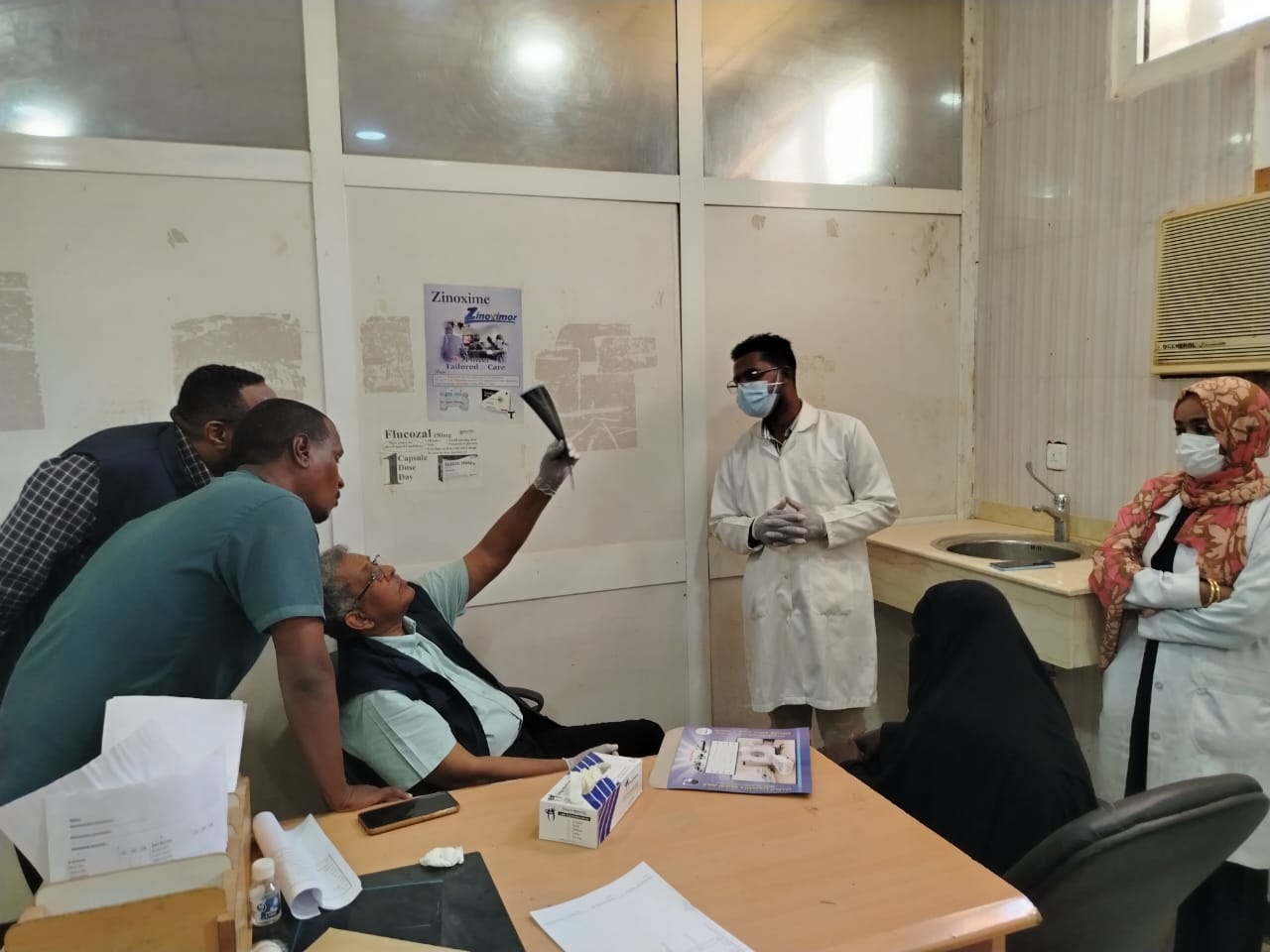
As part of a structured recovery and rebuilding process, the MRC is progressively re-establishing and strengthening its comprehensive portfolio of activities. Central to this effort is the restoration of specialised, multidisciplinary clinical services for patients affected by mycetoma and other neglected tropical diseases of the skin, many of whom experienced prolonged interruptions in access to diagnosis, treatment, and follow-up care during the conflict.
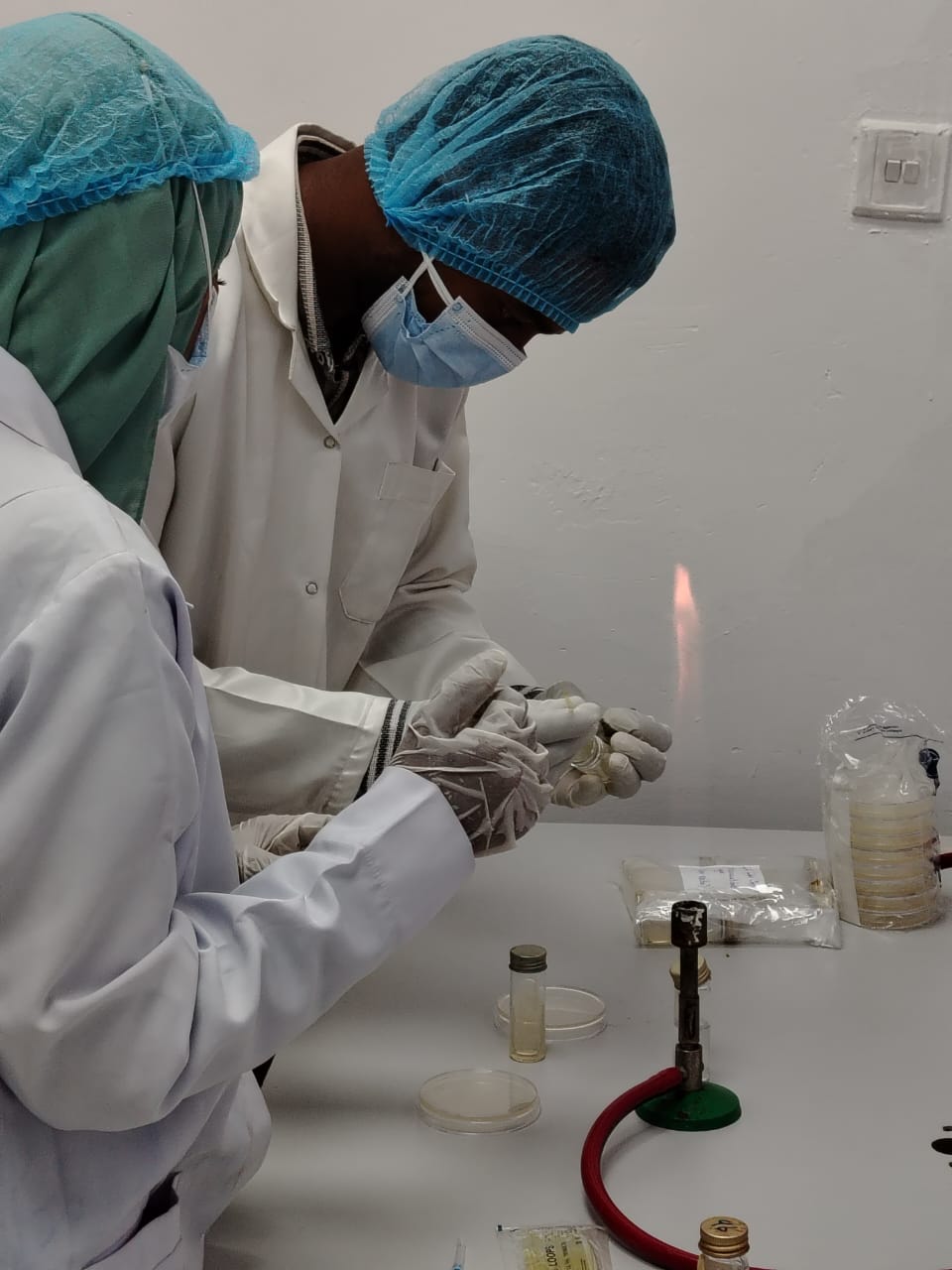
In parallel, the Centre is revitalising its high-quality, locally driven research programmes, with a focus on generating evidence to improve diagnostic tools, optimise treatment outcomes, and strengthen disease surveillance and control strategies in endemic settings.
Equally important is the reactivation of the Centre’s training and education initiatives, which aim to rebuild and enhance national and regional capacity among healthcare professionals, researchers, laboratory scientists, and students. Through targeted training programmes, mentorship, and academic collaboration, the MRC seeks to support the next generation of experts in mycetoma and skin NTDs, ensuring the sustainability of specialised knowledge and skills in Sudan and beyond.
In parallel with clinical, research, and training activities, the MRC is prioritising the revival and expansion of its community engagement and outreach programmes. These initiatives are fundamental to increasing public and professional awareness of mycetoma and other skin NTDs, promoting prevention and early health-seeking behaviour, facilitating early case detection, and ensuring timely referral, treatment, and follow-up of patients, particularly in remote, underserved, and conflict-affected communities. Strengthening community-based interventions remains a cornerstone of the Centre’s approach to reducing disease-related disability, stigma, and long-term socio-economic impact.
As operations continue to scale up, the MRC looks forward to rebuilding, strengthening, and expanding partnerships at national, regional, and international levels. This includes renewed collaboration with academic and research institutions, ministries of health, national disease control programmes, regional networks, and global health partners.
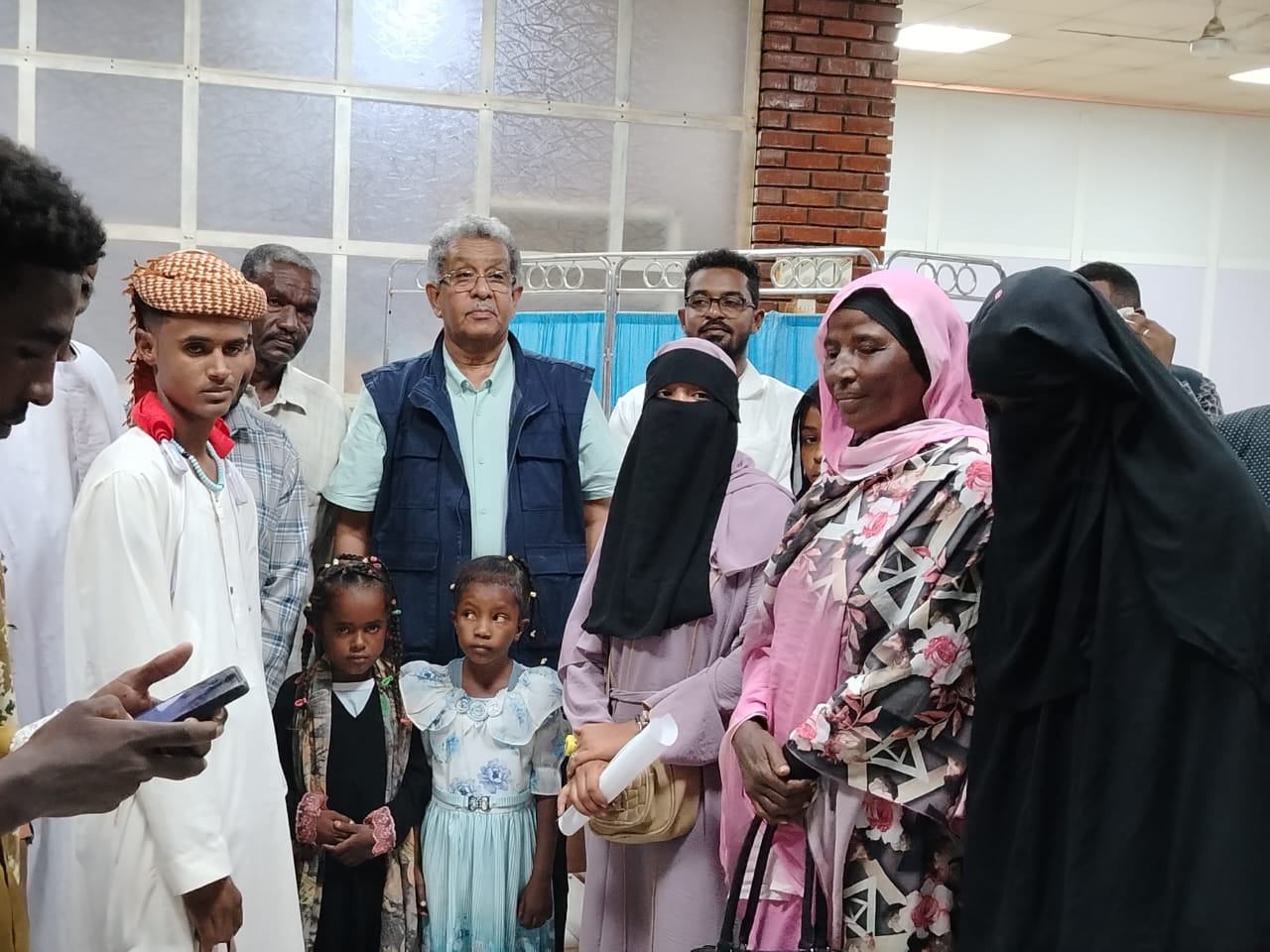
By reasserting its role as a leading hub of expertise, innovation, and advocacy in mycetoma and skin neglected tropical diseases, the Centre aims not only to restore its pre-conflict functions but also to contribute meaningfully to the recovery, resilience, and strengthening of Sudan’s health system. Through sustained collaboration, strategic investment, and collective commitment, the MRC seeks to continue playing a critical role in the global fight against neglected tropical diseases and in advancing health equity for affected poor populations.