
Discussing “Neglected Tropical Diseases” and Providing Treatment through International Collaboration
Coinciding with the 9th Tokyo International Conference on African Development (TICAD9), held from August 20 to 22, stakeholders from Japan and Africa working to combat neglected tropical diseases (NTDs) gathered in Yokohama to discuss the issue. NTDs are a group of 21 illnesses caused by viruses, bacteria, parasites, fungi, and toxins, threatening the health of approximately 1.5 billion people worldwide, 40% of whom are in Africa. Speakers at the symposium emphasized the importance of working together to tackle the issue.
NTDs “keep patients in a cycle of poverty”
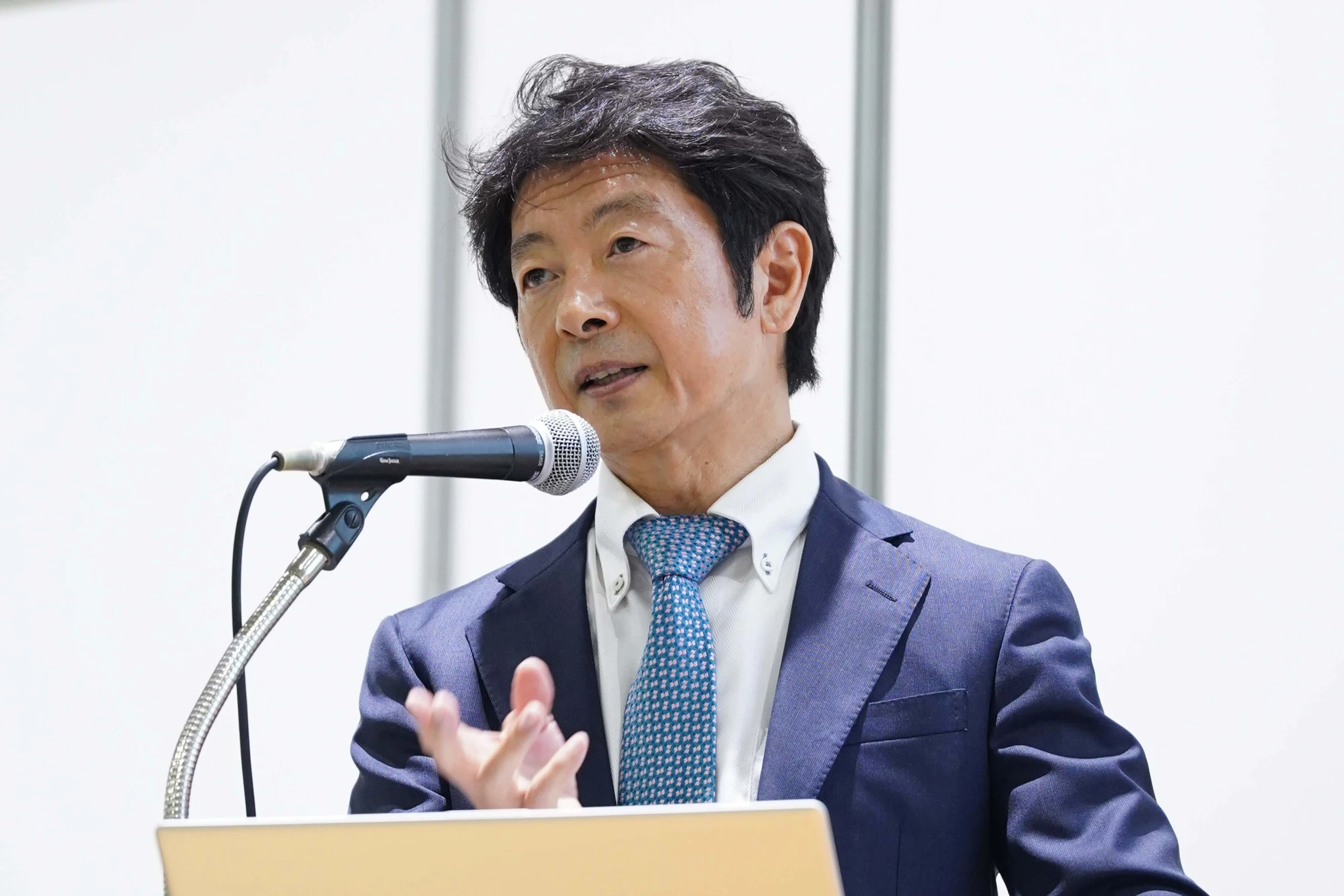
Osamu Kunii, CEO of the Global Health Innovative Technology Fund (GHIT Fund), pointed out that many NTDs progress slowly, causing disabilities and discrimination, which can have long-term effects on people’s work and lives. He said that the lack of adequate treatment “pushes patients into a cycle of poverty.”
On the other hand, there is a structural issue for private companies: since there is no prospect of profit, there is little incentive to spend time and money developing new drugs and vaccines.
The GHIT Fund has supported the development of therapeutic drugs, vaccines, and diagnostic technologies, with cumulative investments of 38.2 billion yen from fiscal 2013 to fiscal 2024, of which 46.4% is invested in NTDs.
Supporting the development of medicines for children
One example is the development of a drug to treat schistosomiasis in children.
This parasitic disease is transmitted by freshwater snails, which enter the human body through the skin and live in the veins of the bladder and intestines, where they continuously lay eggs.Typical symptoms include chronic bloody urine, bloody stools, and abdominal pain, and if left untreated, it can cause bladder cancer, liver damage, and even death.
Swimming in rivers, drawing water, doing laundry, washing oneself… The risk of infection is high in everyday life, and prevention is difficult. Approximately 250 million people, mainly in Africa, are infected, of which approximately 50 million are preschool children.
The current treatment for praziquantel comes in large, bitter tablets that cannot be crushed for administration, making it difficult for young children to take. To address this issue, the GHIT Fund partnered with Japan’s Astellas Pharma and Germany’s Merck to support the development of an improved version of praziquantel for children. Clinical trials confirmed its effectiveness, with the first administration beginning in Uganda in March 2025. Its introduction is also progressing in Kenya and Côte d’Ivoire.
“Meeting the needs of the neglected”
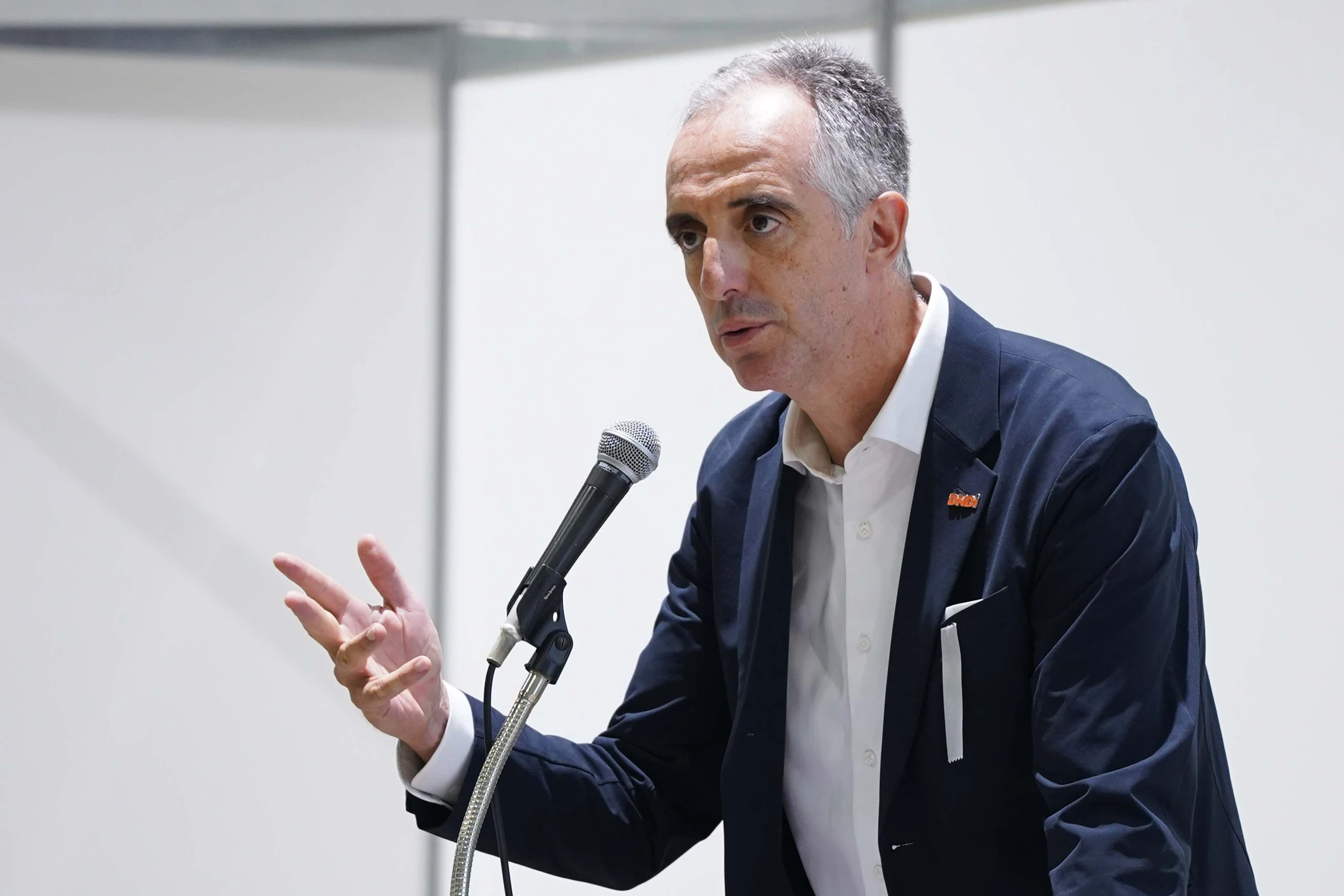
The non-profit organization Drugs for Neglected Diseases Initiative (DNDi) was awarded the Hideyo Noguchi Africa Prize this year for its development and provision of a treatment for sleeping sickness. In his speech, DNDi’s president, Luis Pizarro, said, “Our work is about meeting the needs of neglected people. I want to share my joy with all those who worked hard to make this treatment a reality.”
African sleeping sickness is a parasitic disease transmitted by tsetse flies; when a fly bites, protozoa that live in the fly’s salivary glands enter the body. Initial symptoms include fever, headache, and swollen lymph nodes. If left untreated, the protozoa can reach the central nervous system, causing confusion, convulsions, and sleep disorders. Eventually, the patient falls into a coma and dies.
Conventional medicines were highly toxic, with one in 20 people dying from side effects, and the injections were reportedly painful and burning.
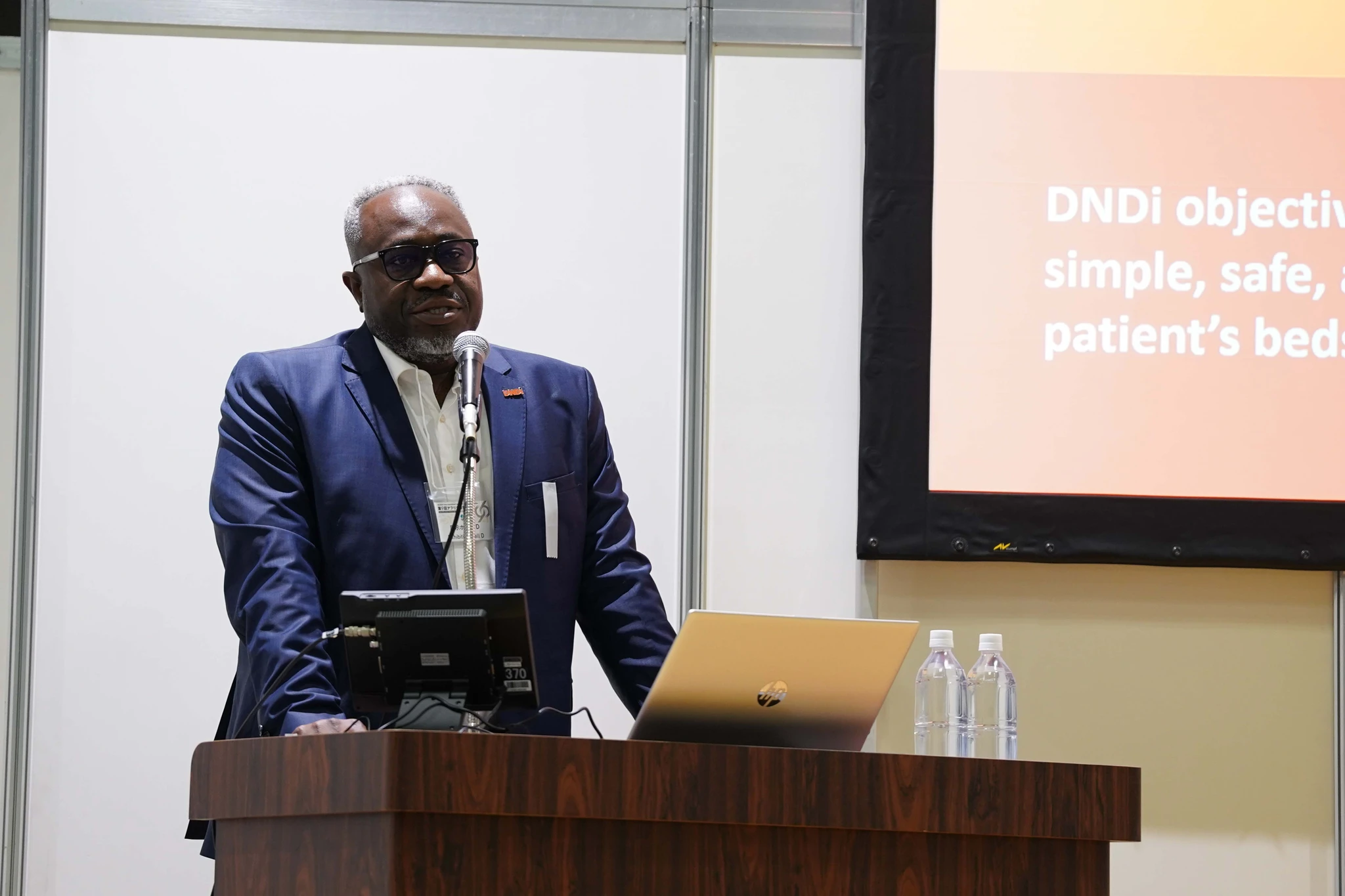
The treatment drug, fexinidazole, developed by DNDi, is highly safe and only needs to be taken once a day for 10 days. Dr. Wilfried Mutombo Kalonji of DNDi said, “This disease is widespread in remote areas (where medical facilities are scarce), so it is extremely important that it is easy to use.”
Calling for international support for mycetoma patients
Mycetoma is one of the most neglected NTDs.
It is believed to develop when bacteria or fungi enter the body through small wounds in the skin. It mainly infects the feet, causing significant swelling and severe pain. If the pathogen reaches the bone, amputation is often the only option. Amputation does not always result in a cure, and the disease can spread to other parts of the body, leading to death.
Bacterial infections can be treated with antibiotics, and fungal infections with antifungal drugs, but these drugs are particularly expensive and not widely available. Because infections are widespread in poor rural areas, patients often have already become quite ill by the time they arrive at the hospital.
The Mycetoma Research Center (MRC) in Sudan has provided free treatment to over 12,000 patients to date. The organization has strong ties with Japan, conducting clinical trials of new treatments in collaboration with Japan’s Eisai and DNDi. Eisai is preparing to apply for approval in Sudan. The organization has also been conducting research into new diagnostic technologies with Professor Satoshi Kaneko of Nagasaki University and others, aiming to develop a diagnostic kit that will enable early diagnosis. Furthermore, Japan’s Association for Aid and Relief, Japan, has cooperated with the MRC’s educational activities, and the Japanese government has supported the establishment of vocational training facilities for post-treatment patients.
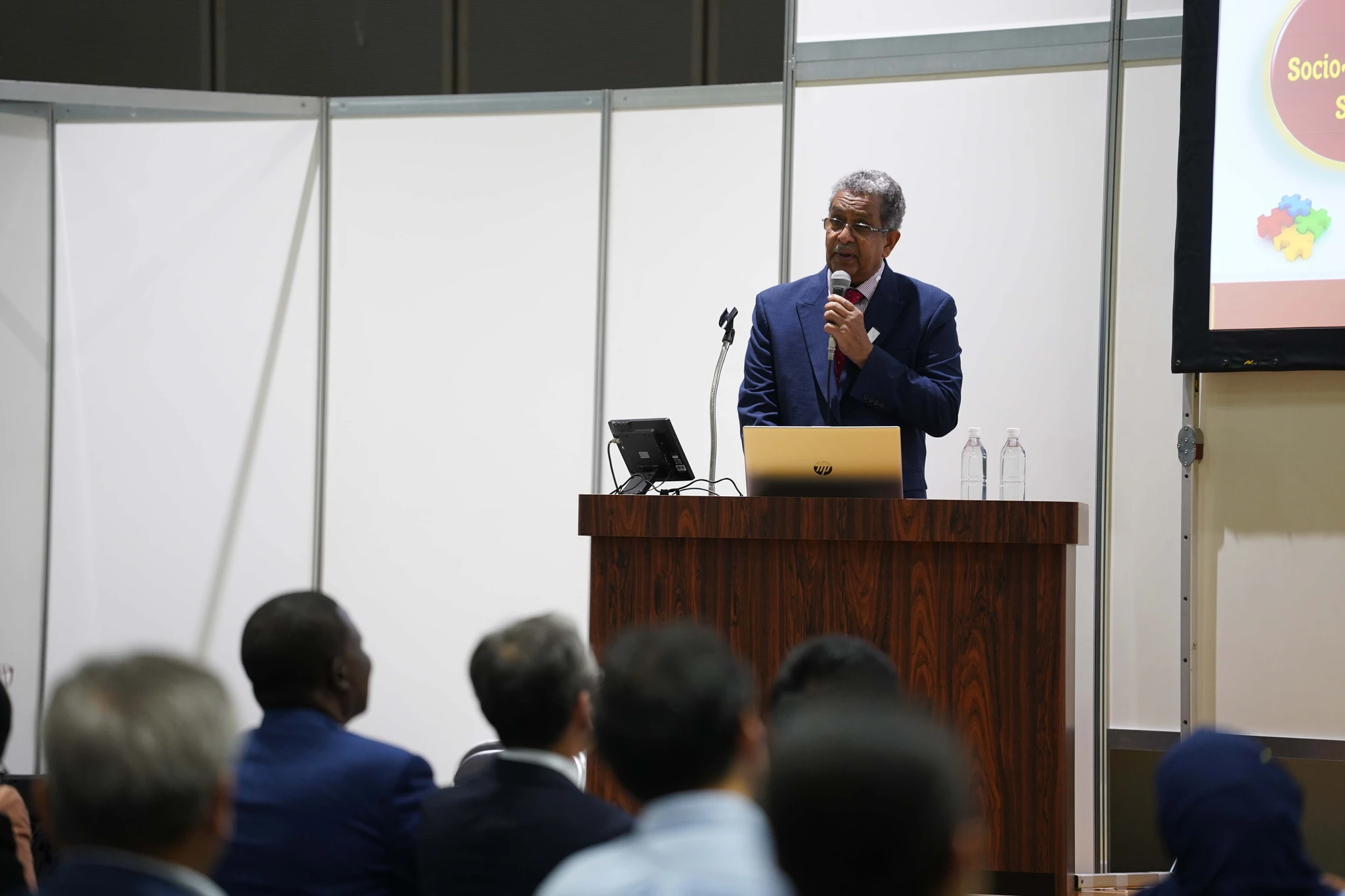
“At first we had no experience, no facilities and no partners,” said Ahmed Fahal, director of the MRC, which was founded in 1991. “But by collaborating with various research institutes and NGOs, we are now able to provide comprehensive care to patients.”
However, the organization has been forced to significantly reduce its activities due to damage caused by the civil war in Sudan that began in April 2023. Director Fakhal appealed, “Patients should receive appropriate treatment, proper diagnosis, and appropriate prevention. We need international support.”
“Not just discussion, but action”
The symposium was also attended by the NTDs Youth Association, a group made up of Japanese medical students. They introduced the Neglected Tropical Disease Contest, which seeks ideas on how to communicate about NTDs in an easy-to-understand way and what they can do to help.
At the end of the symposium, Kunii made the following appeal: “We need to move beyond just discussing and take action. We need to create a strategic collaborative system.”