Mycetoma Research Centre at TICAD9
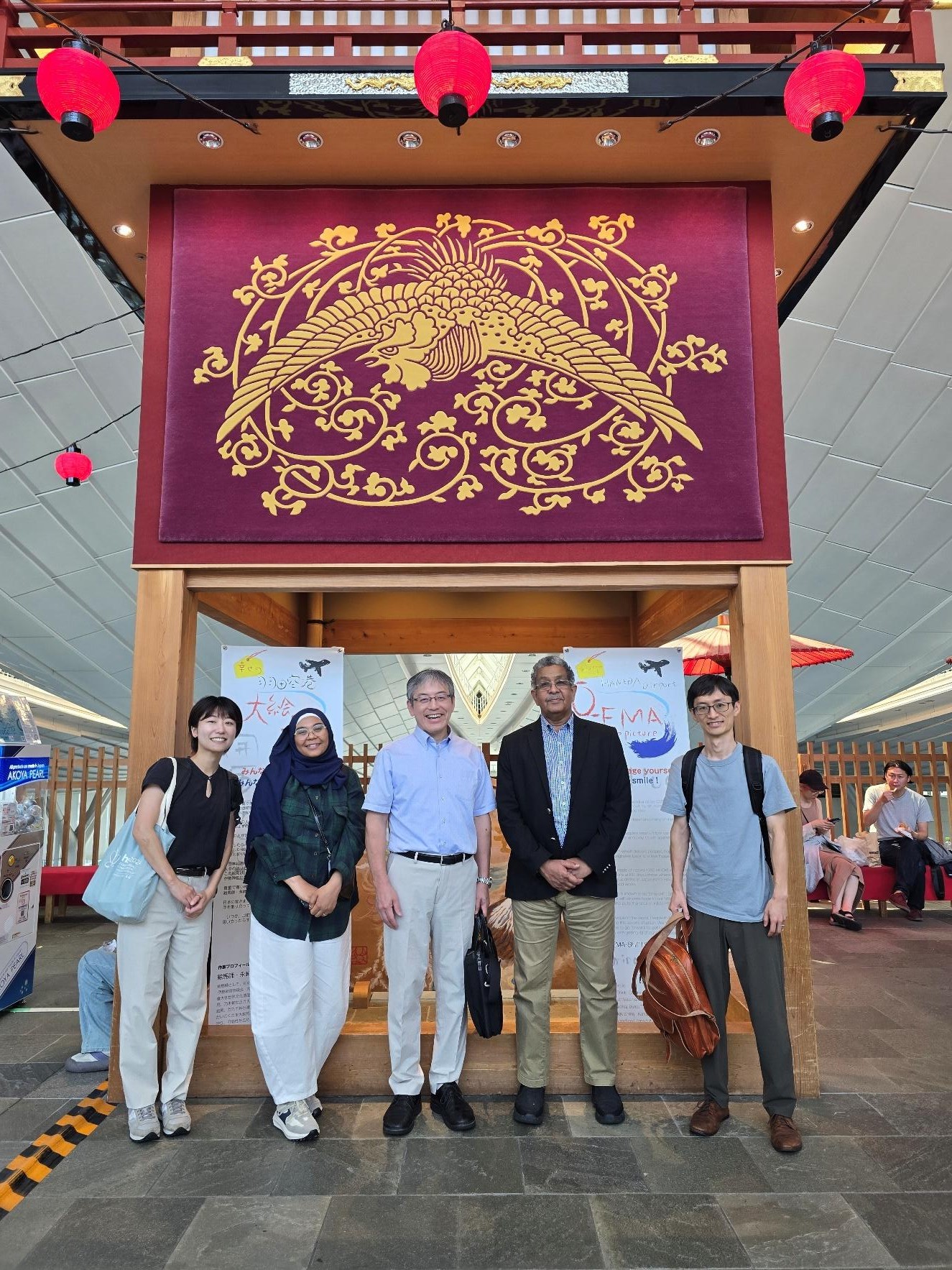
The Mycetoma Research Centre (MRC) at the University of Khartoum participated in the TICAD9 at Yokohama City, underscoring its status as a leading institution in mycetoma research, capacity building, community engagement initiatives, and international collaboration. The MRC, represented by Professor Ahmed Fahal, the Director of the Centre, and Ms. Lubna Sulayman Elnour, a Research Assistant and Master’s student at Nagasaki University, who served as an essential link between the Sudanese and international partners at Nagasaki University. Their participation reflected a deliberate strategy to showcase the MRC’s work, exchange ideas with global experts, and pursue concrete joint ventures that could accelerate progress against this neglected tropical disease. Professor Satoshi Kaneko of the Institute of Tropical Medicine at Nagasaki University organised this participation.

Pre-TICAD9 engagements and groundwork
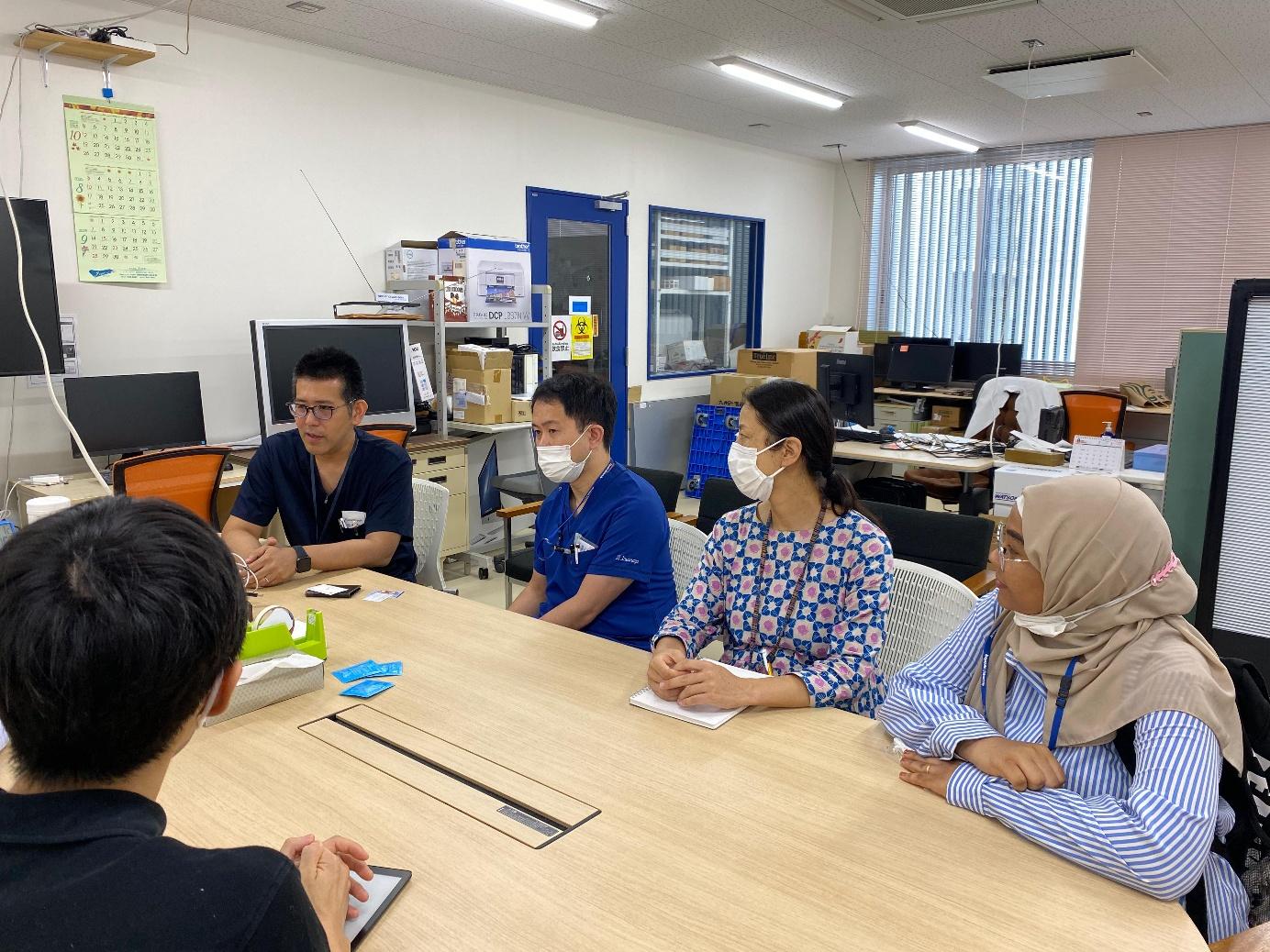
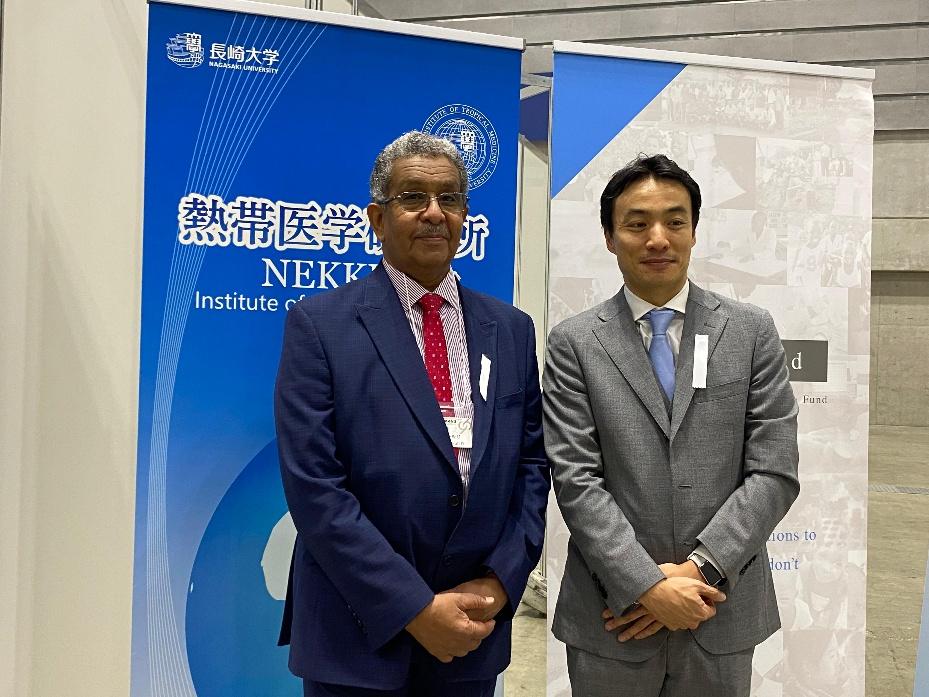
Before TICAD9 formally commenced, the delegation conducted a meticulous programme of visits and discussions to lay the groundwork for future collaborations. A key stop was the Institute of Tropical Medicine at Nagasaki University, where high-level conversations with Professor Satoshi Kaneko, Head of the Department of Eco-epidemiology, and his colleagues focused on mapping ongoing collaborative research projects and identifying synergistic opportunities that could complement the WHO priorities in mycetoma management, control and basic science research.
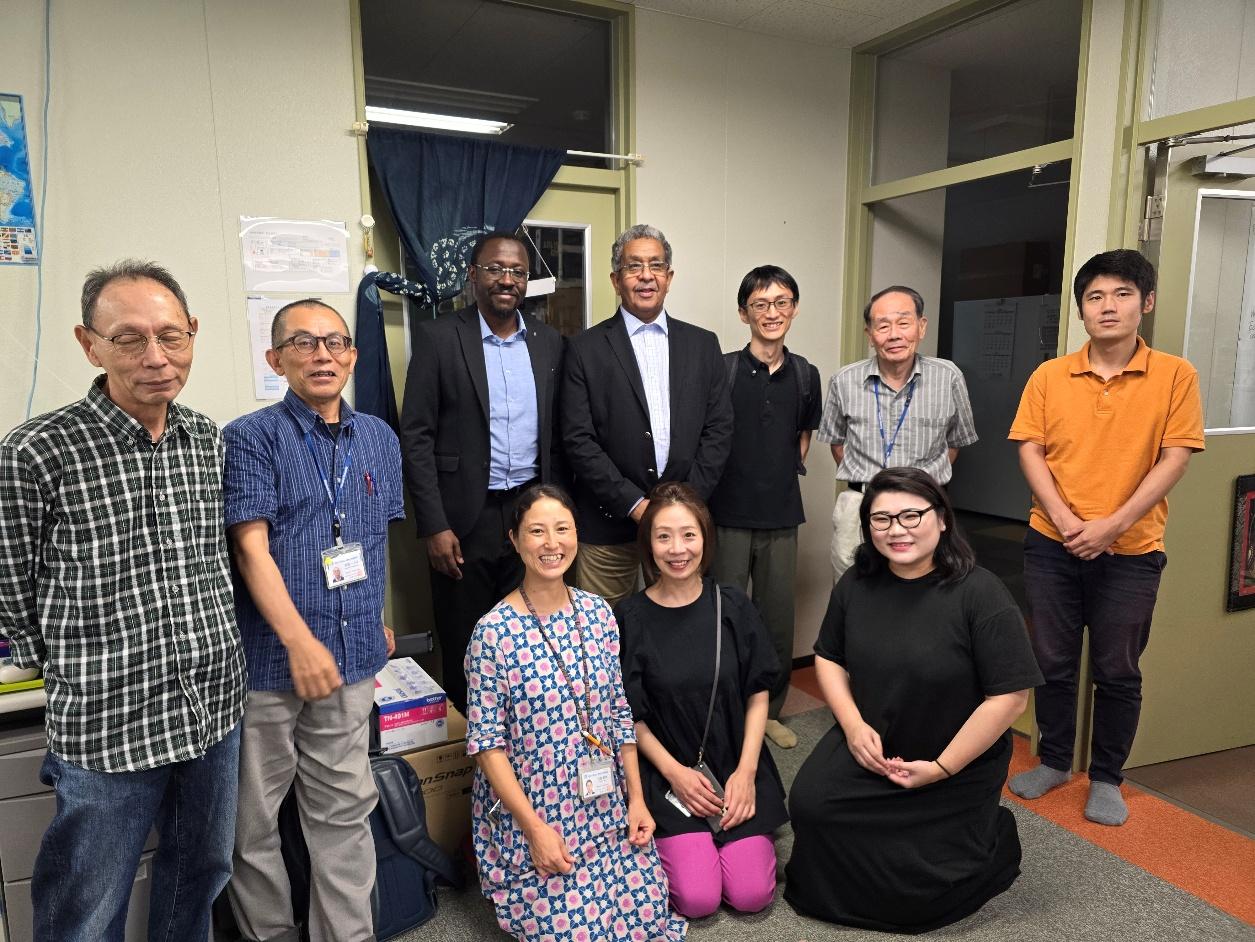
Nagasaki University organised a dedicated seminar on mycetoma management. This event provided a platform for Prof Fahal and Prof Sow, from the University Gaston Berger of Saint-Louis, Senegal, to deliver comprehensive presentations on this neglected tropical disease. The symposium served to raise awareness, share cutting-edge approaches, and catalyse cross-country dialogue regarding clinical management, epidemiology, and translational research.
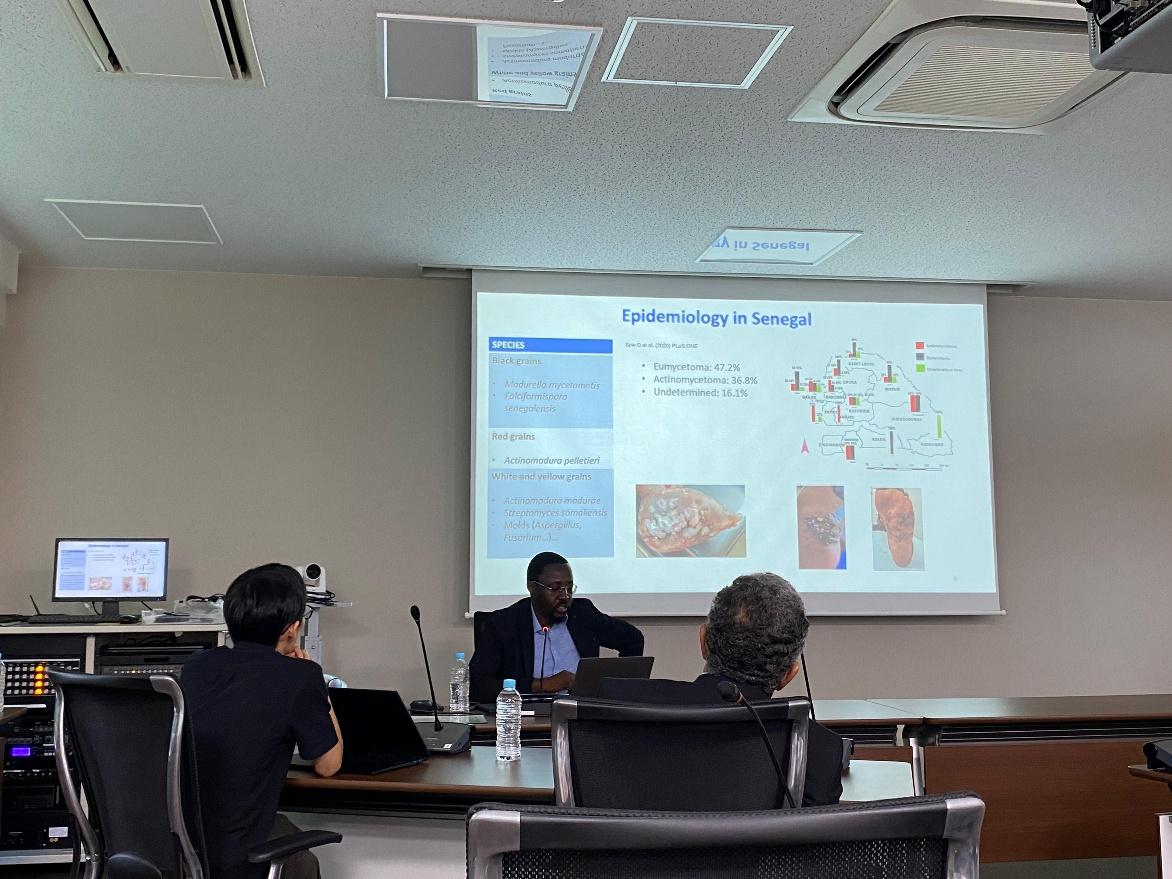
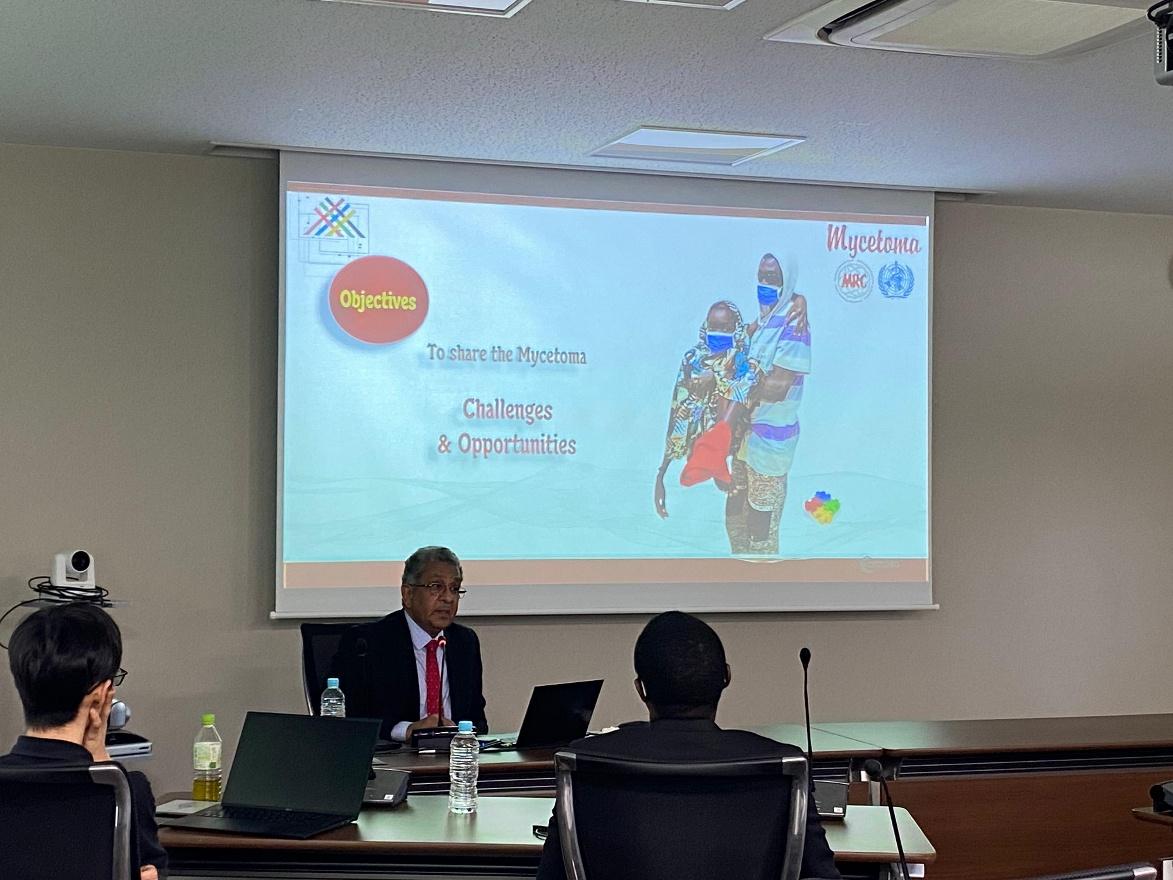
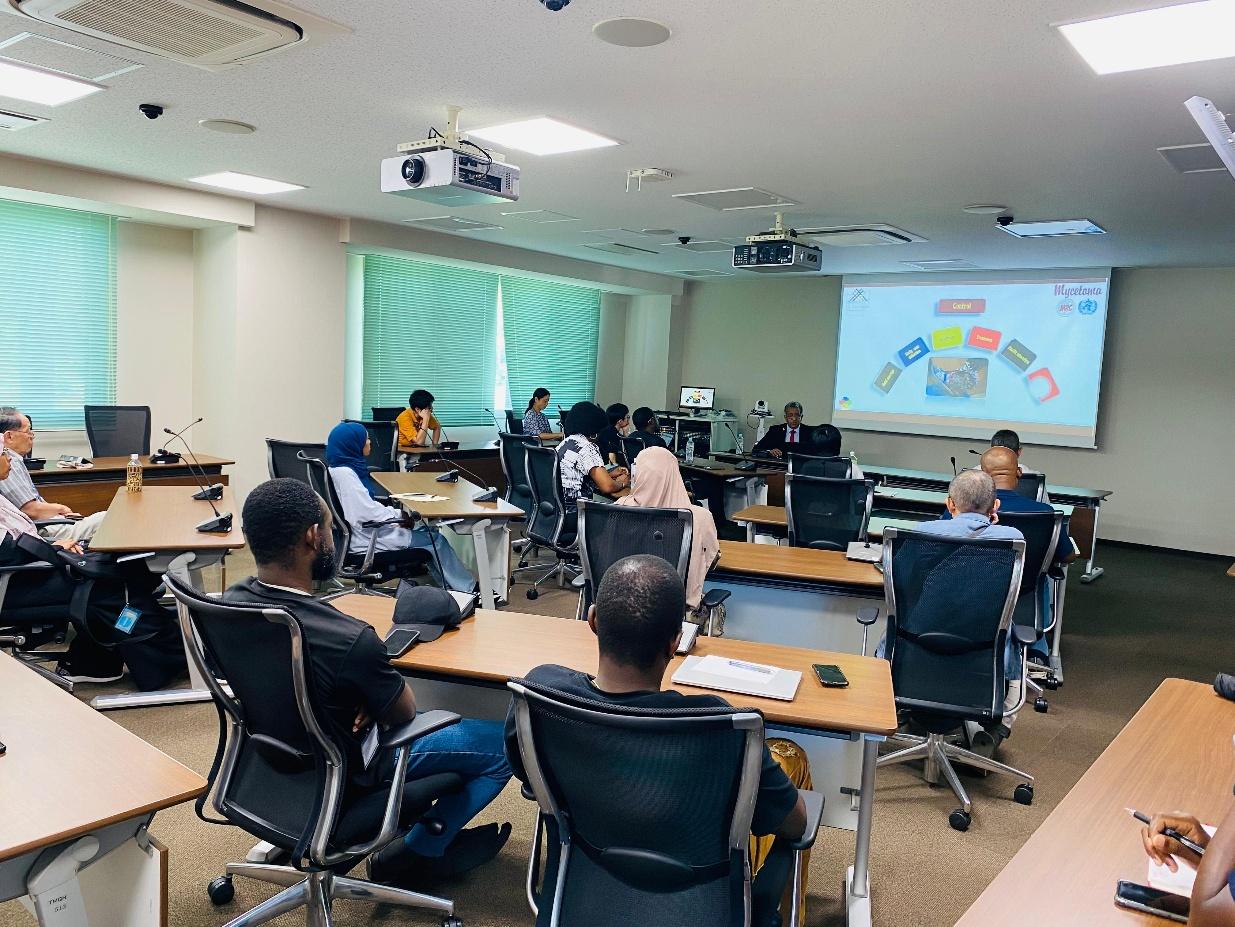
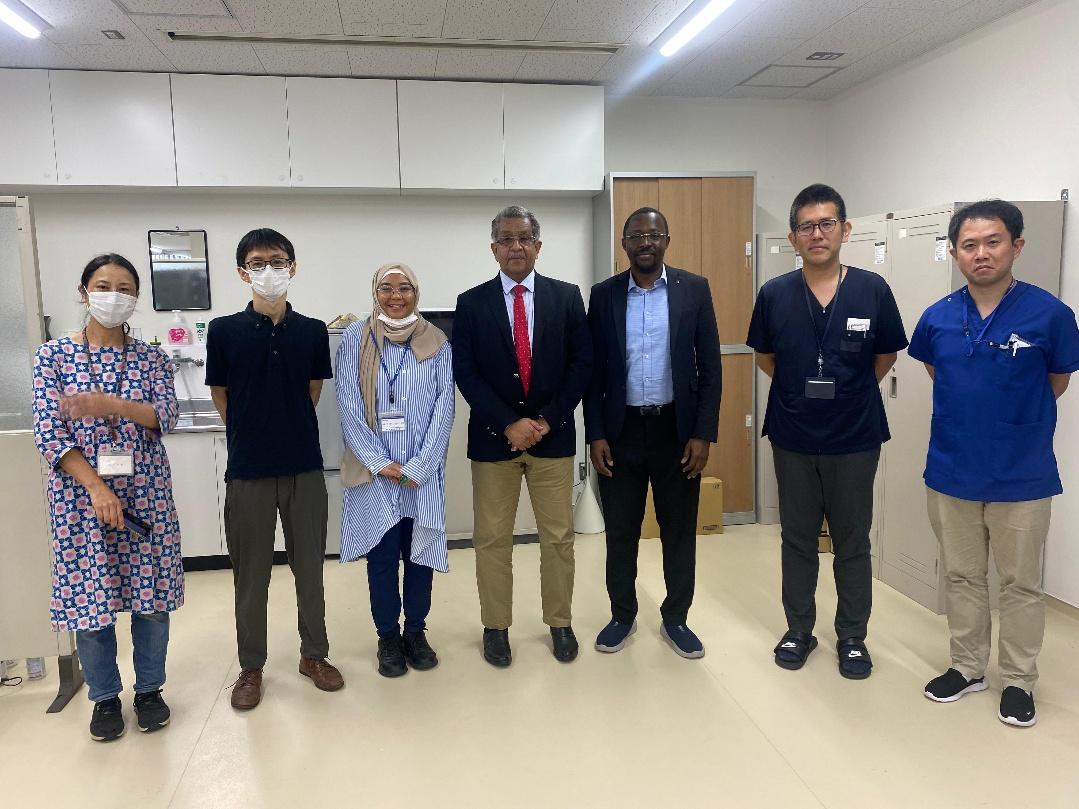
The team also visited the Department of Respiratory Medicine at Nagasaki University Hospital. There, they engaged with Professor Takazone and Dr. Iwanaga to discuss the pathogenesis of mycetoma, potential mechanistic studies, and prospective collaborations that could yield translational insights from basic science to clinical application.
The delegates toured the Nagasaki Atomic Bomb Museum, witnessing the grim toll on the residents of the city and the vast scale of the destruction inflicted on Nagasaki.

A robust TICAD9 presence and central themes
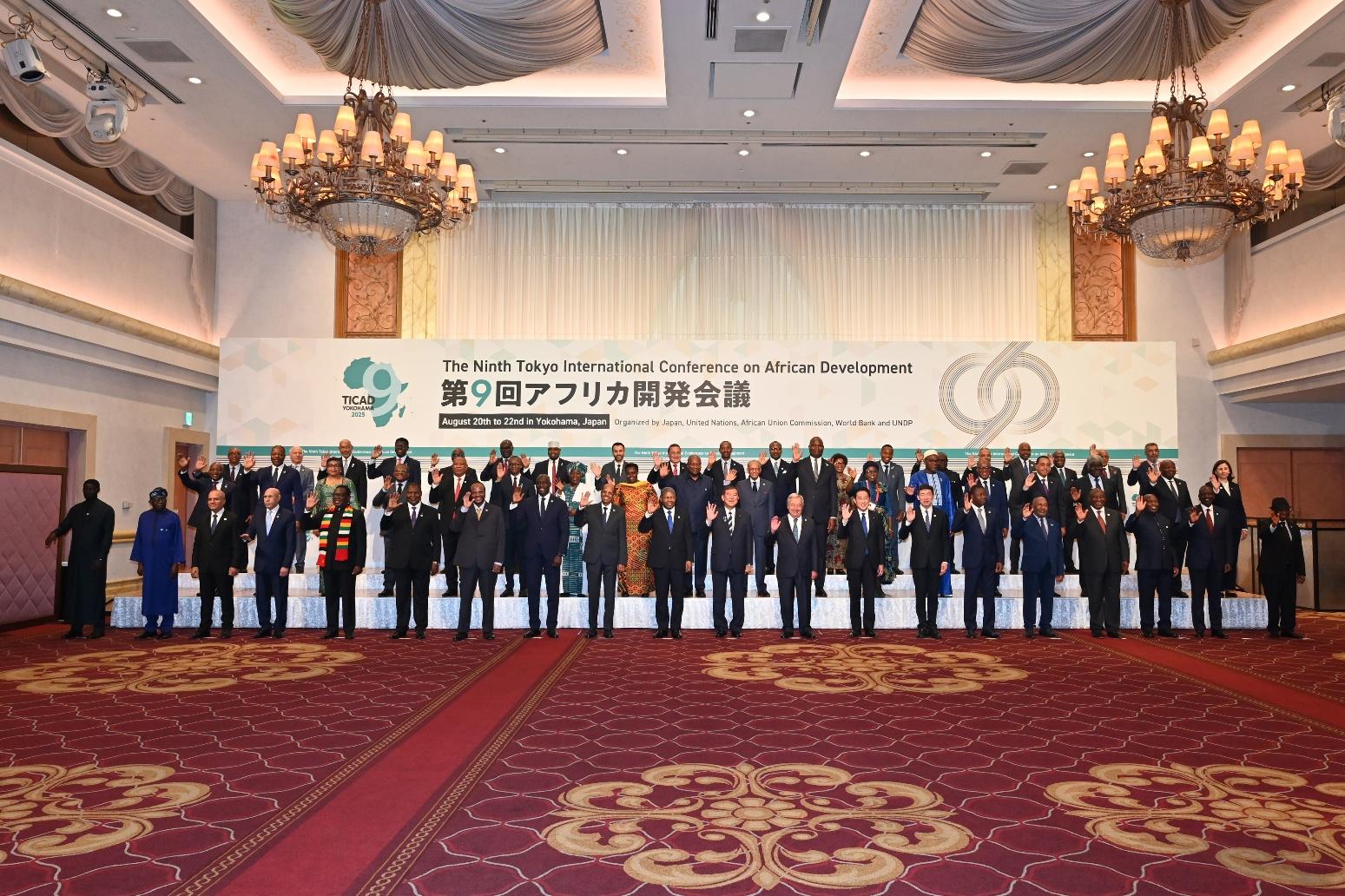
TICAD9 took place in Yokohama City from August 20 to 22, 2025, and represented a landmark international forum for Africa–Japan cooperation. The conference drew representatives from all African nations and featured an array of side meetings and strategic dialogues aimed at accelerating development across health, education, technology, and infrastructure. The event’s exhibition space highlighted the depth and diversity of Japan–Africa cooperation across sectors, signaling a strong environment for multi-stakeholder partnerships.
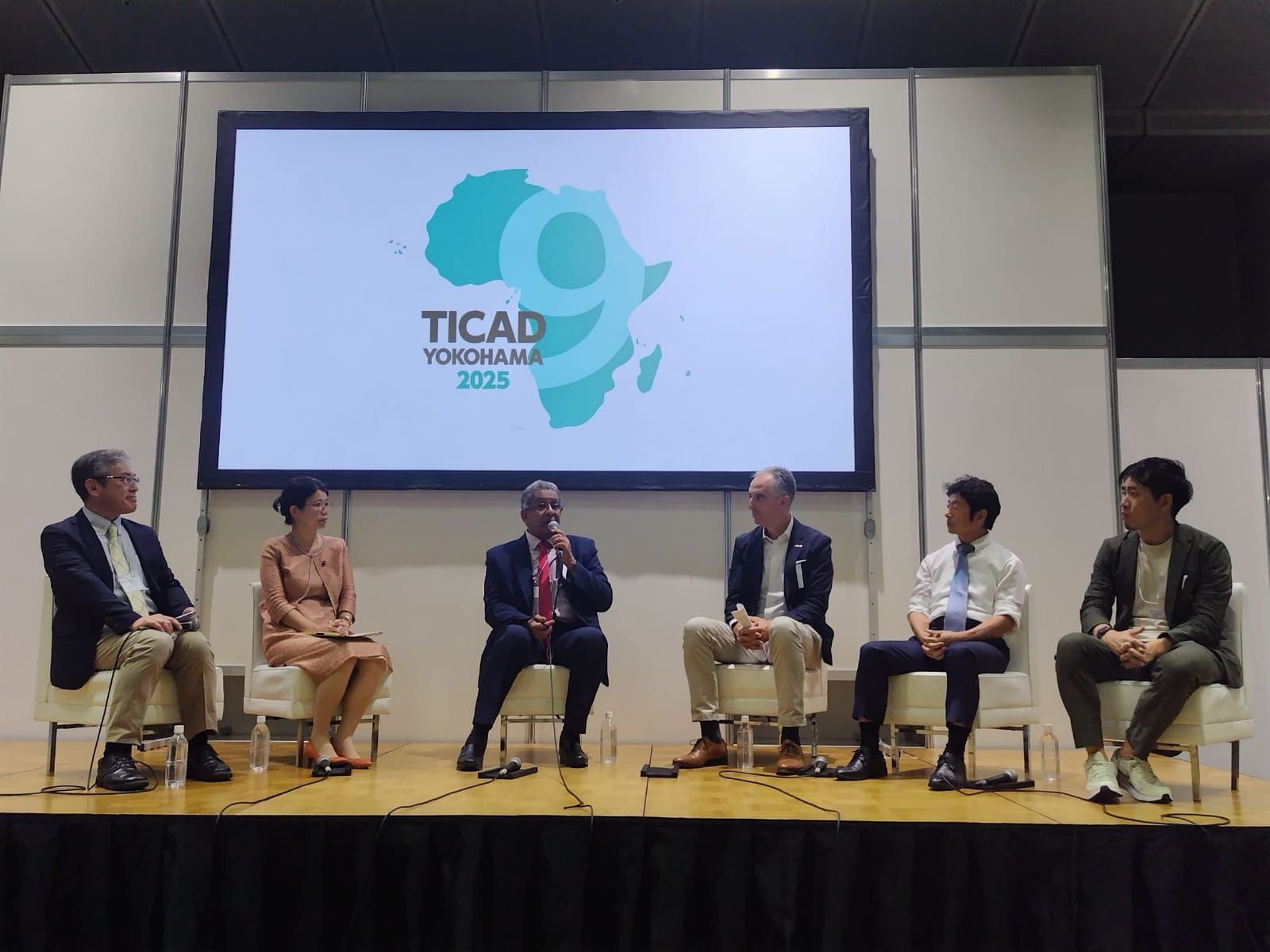
As part of Nagasaki University’s contributions, a symposium on Co-Creating with Africa to End NTDs: Partnerships Across Industry, Academia, Government, and Youth. This high-profile session brought together a distinguished line-up of speakers, including HE Dr Ayano Kunimitsu, Member of the House of Representatives of Japan, Dr Luis Pizarro, Executive Director, Drugs for Neglected Diseases initiative – DNDi, Dr Wilfried Mutombo Kalonji, Congo DNDi, Prof Fahal, Dr Osamu Kunii, the GHIT-Fund CEO, Prof Kanako, and Mr Yuya Kondo, NTDs Youth Organisation Board member. The symposium’s objectives were to illuminate the challenges facing NTDs, share successful experiences, and explore opportunities for resource mobilisation, policy advocacy, and collaborative research that can accelerate progress in diagnosis, treatment, and prevention.
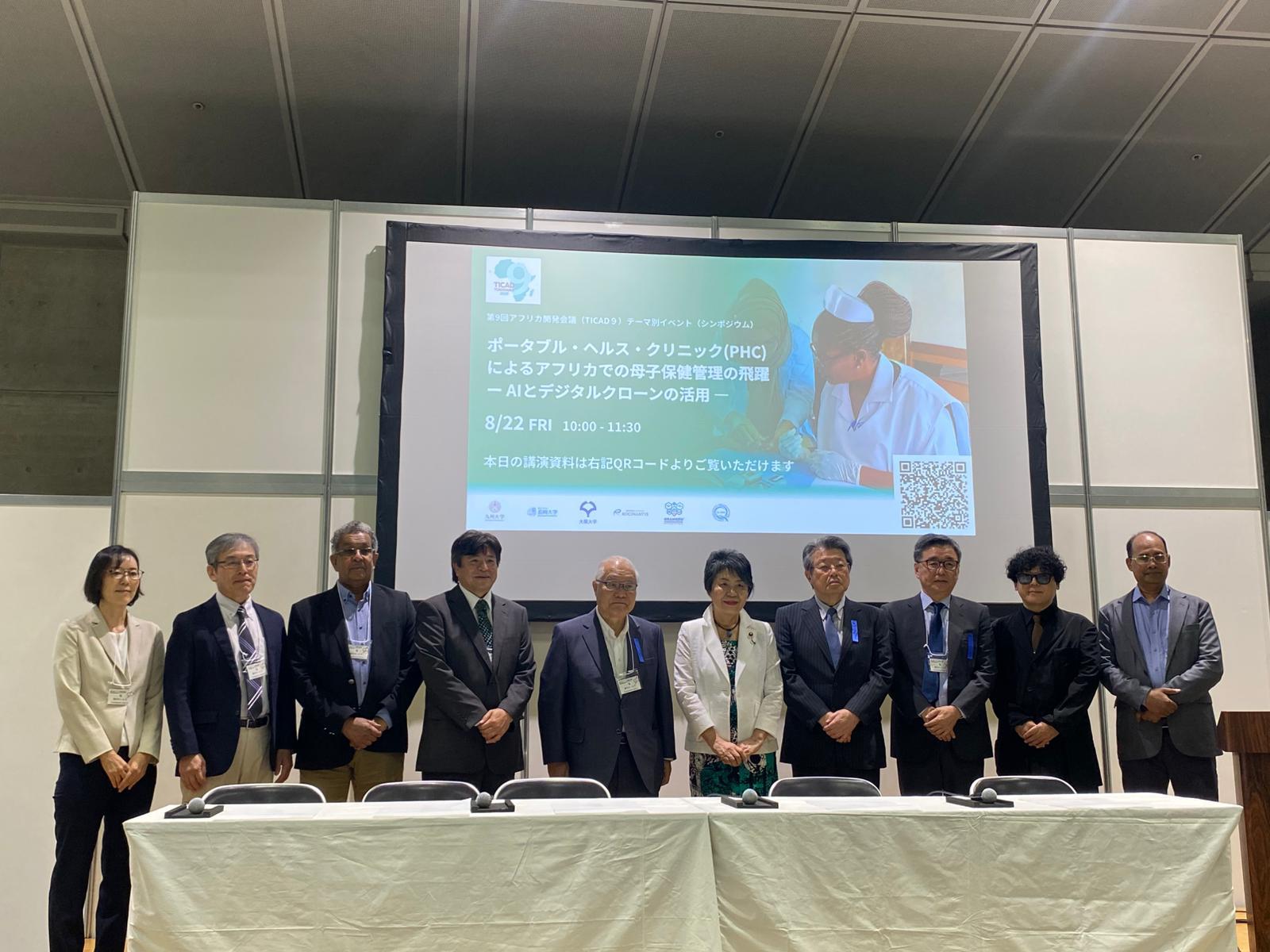
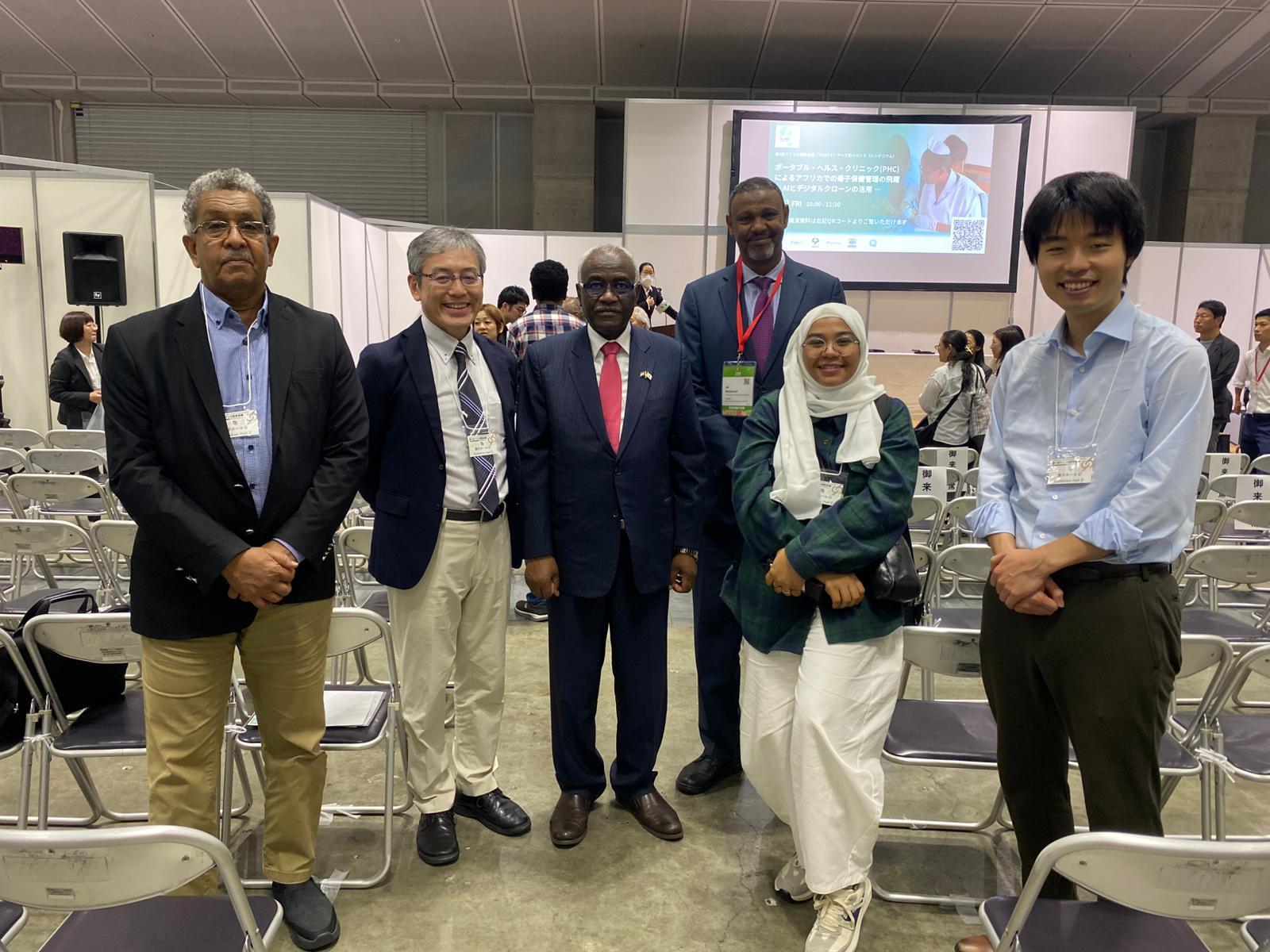
The Kyushu University symposium on “The Expansion of the Portable Health Clinic in Africa” served as a practical, action-oriented forum that brought together researchers, clinicians, policymakers, and partners to translate concepts into implementable steps. The event likely framed the discussion around three core pillars: project objectives, deployment strategies, and scalability, while also addressing governance, sustainability, and impact measurement.
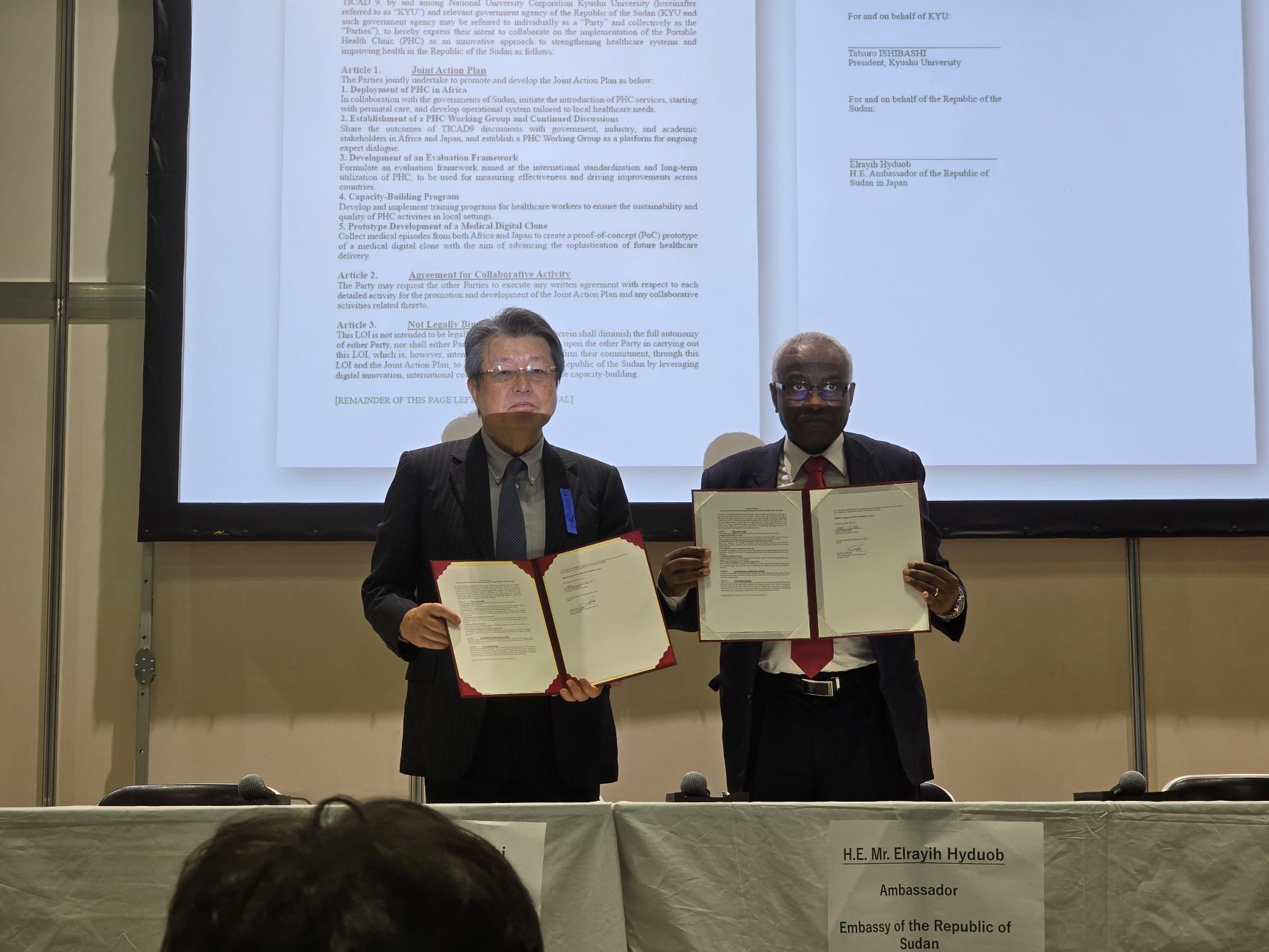
The event culminated in the signing of a memorandum of understanding (MoU) between the Sudan Embassy in Japan and Kyushu University. The MoU, signed by HE Ambassador Elrayih Hyduob and HE Kyushu University President Professor Tatsuro Ishibashi, formalised commitments to education and research collaboration, setting in motion concrete steps for joint programmes and shared infrastructure.
The Association of AIDS and Relief (AAR) organised a symposium addressing its relief and support activities in Sudan and Uganda. The MRC delegation participated, hearing a comprehensive presentation from the AAR Sudan Regional Director about ongoing relief efforts, and witnessing the testimony of a landmine survivor from Uganda who shared personal experiences of disability and resilience. These discussions underscored the critical intersections between health, humanitarian relief, and disability inclusion, reinforcing the case for integrated approaches to health crises in the region. Prof Fahal also held targeted conversations with AAR leaders, including Dr Yukie Osa, AAR Chairperson, Yoshiteru Horie, AAR President, Chiaki Furukawa, AAR Managing Director, Mr Miki Masaru and Mr Yuta Aiba, to explore potential collaboration avenues and mutual support mechanisms.
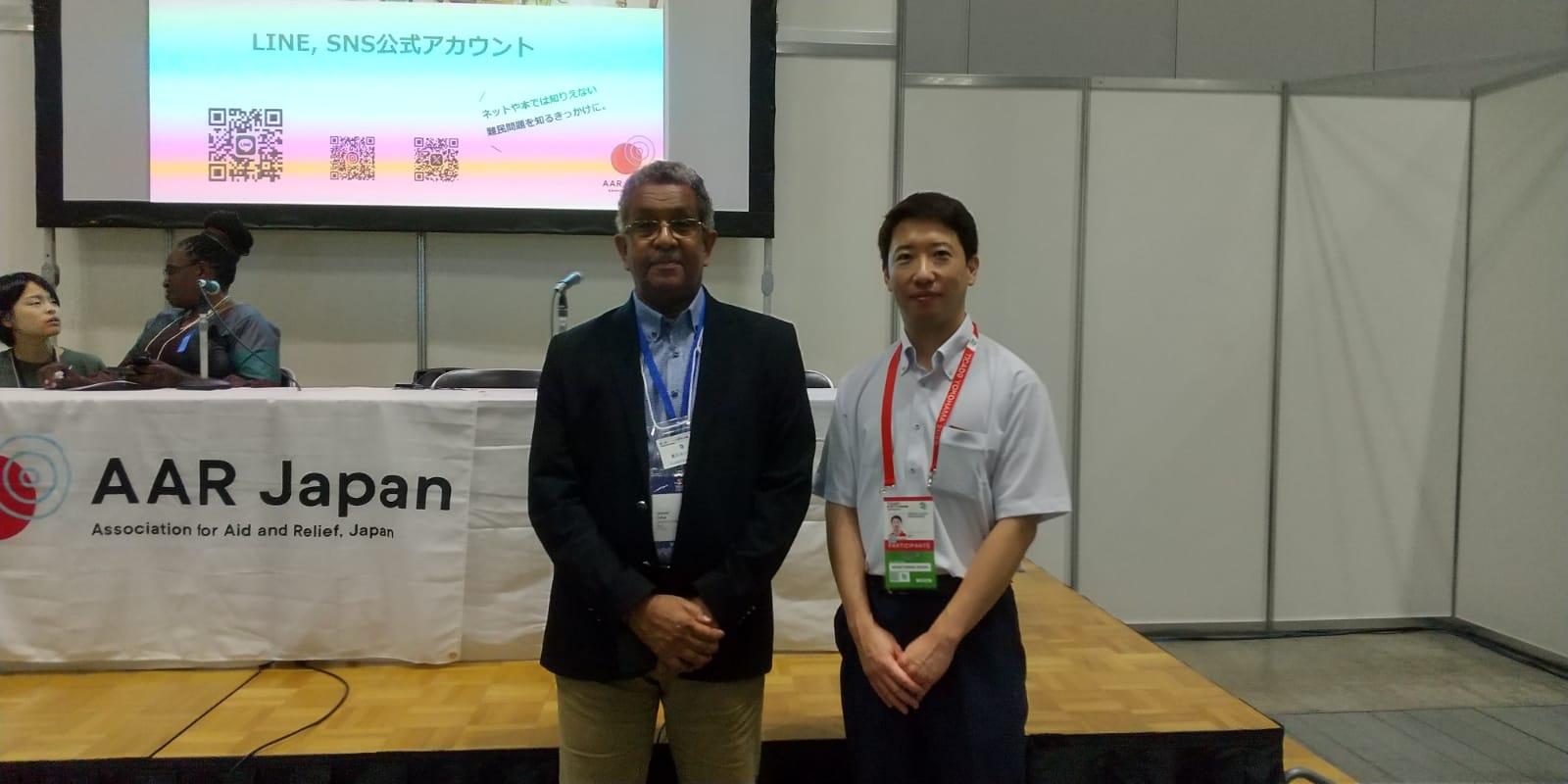
Research and Collaboration as Central Pillars
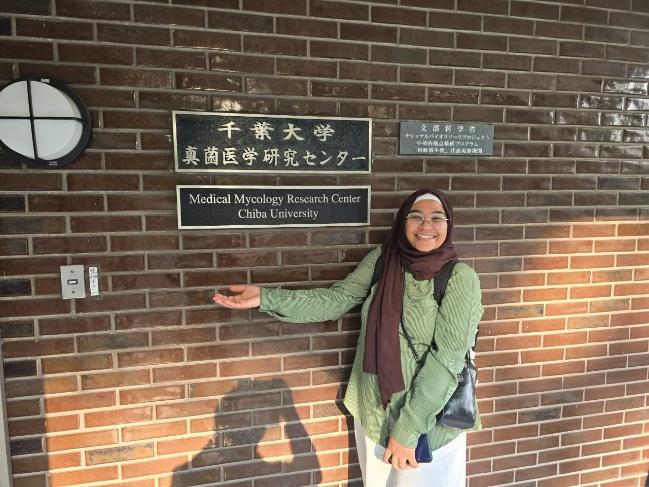
A key component of the programme was a site visit to the Medical Mycology Centre at Chiba University. The delegation toured facility spaces, examined current research capabilities, and discussed future collaboration trajectories. The discussions were facilitated by Dr Takashi Yaguchi and Dr Sayaka Ban, ensuring alignment between institutional priorities and practical capabilities for joint studies, technology transfer, and capacity building.
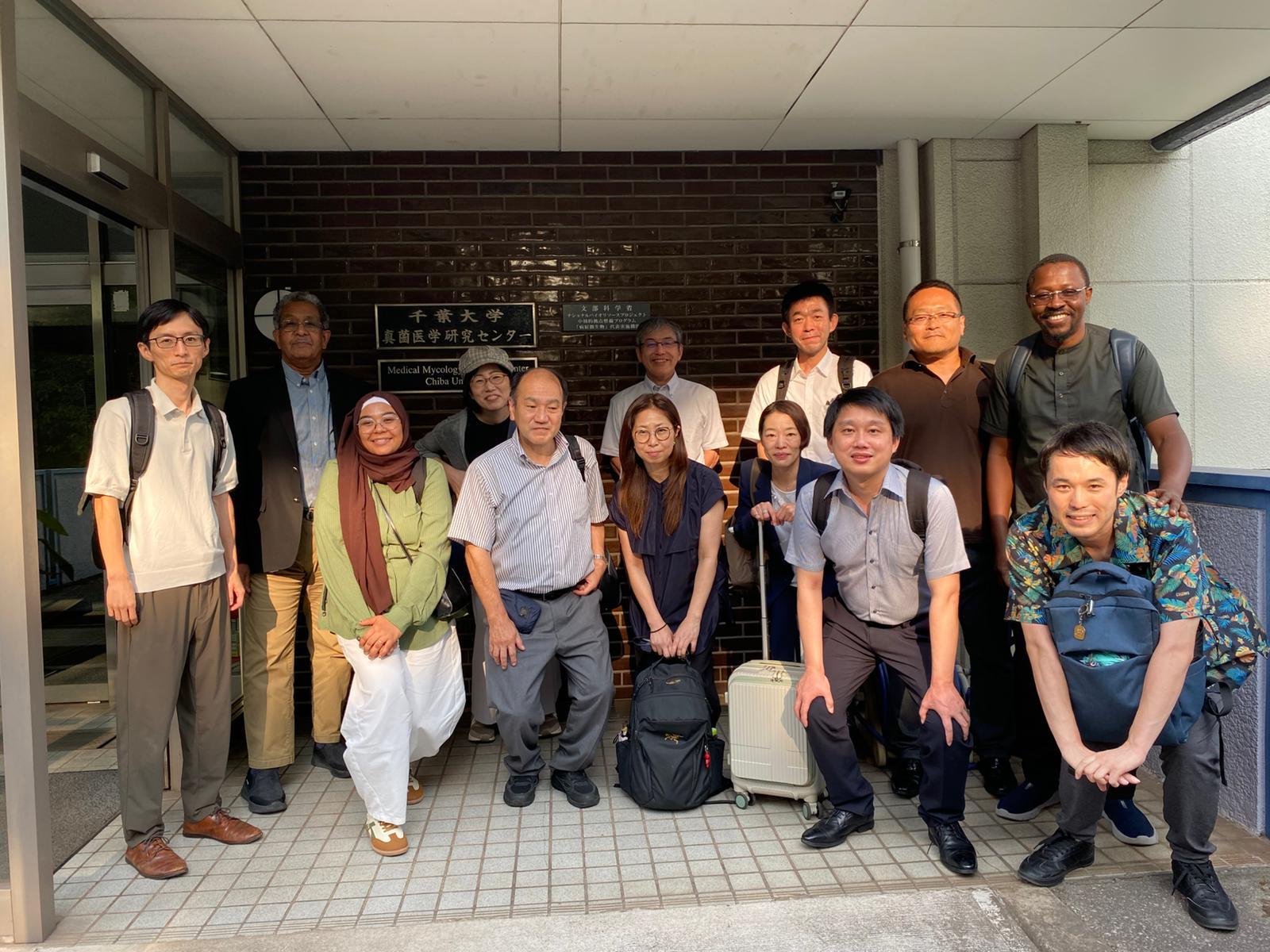
The visit also included engagement with Dr Ayato Sato from the Institute of Transformative Bio-Molecules at Nagoya University and a senior representative from Medical and Biological Laboratories Co., Ltd. This cross-institutional dialogue explored opportunities to translate laboratory findings into tangible tools, including diagnostic innovations for mycetoma.
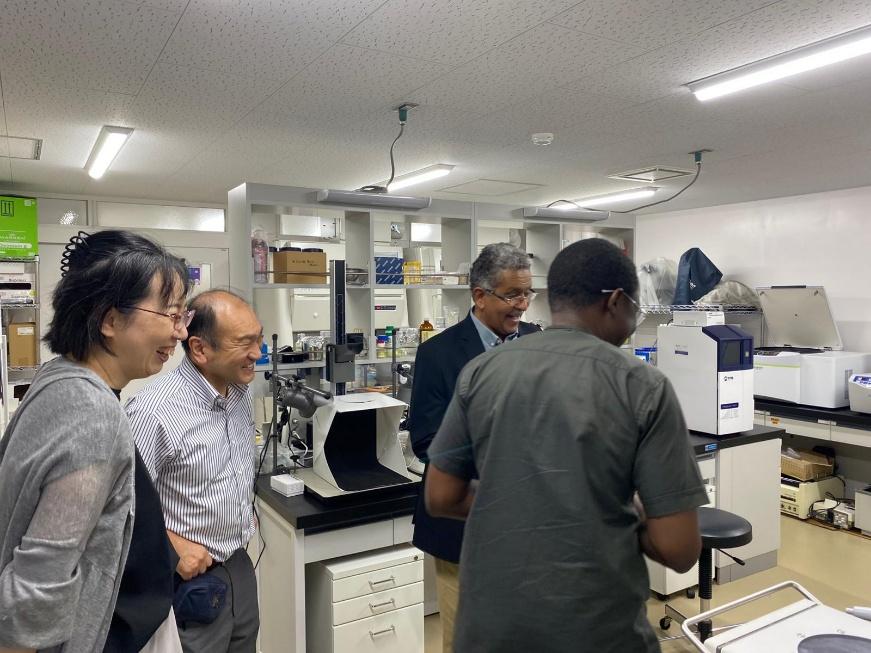
In Yokohama, conversations with Dr Ikuyo Baba, General Director of Medical and Biological Laboratories Co., Ltd., focused on translating mycetoma metabolites research into a practical point-of-care diagnostic solution. The discussions highlighted the potential to move from research discoveries to field-ready tests that can improve case detection and management in endemic settings.
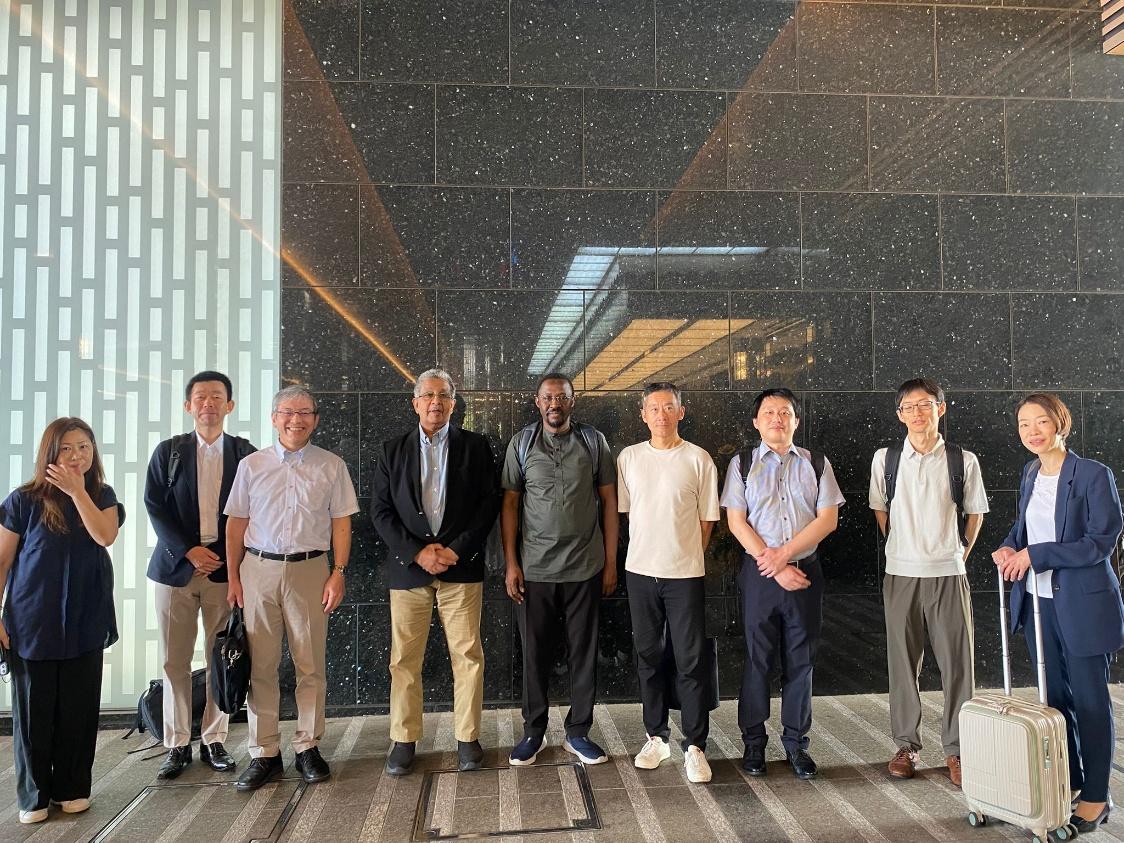
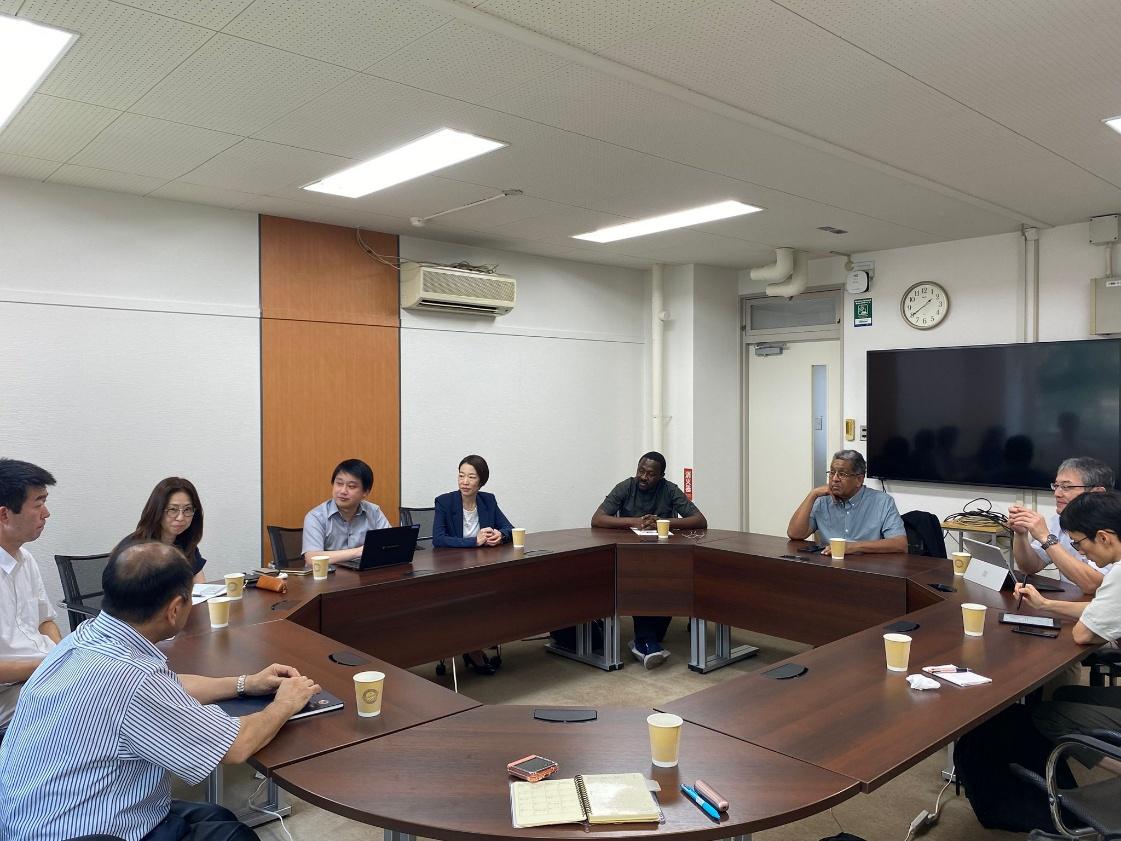
A high-impact exchange occurred during TICAD9 when Prof Fahal and Dr Osamu Kunii, GHIT Fund CEO, met with Prof Yasutoshi Kido, a prominent figure in Virology and Parasitology at Osaka Metropolitan University. They explored joint research directions and the possibility of developing a point-of-care test for mycetoma, leveraging complementary expertise across institutions and funding mechanisms.

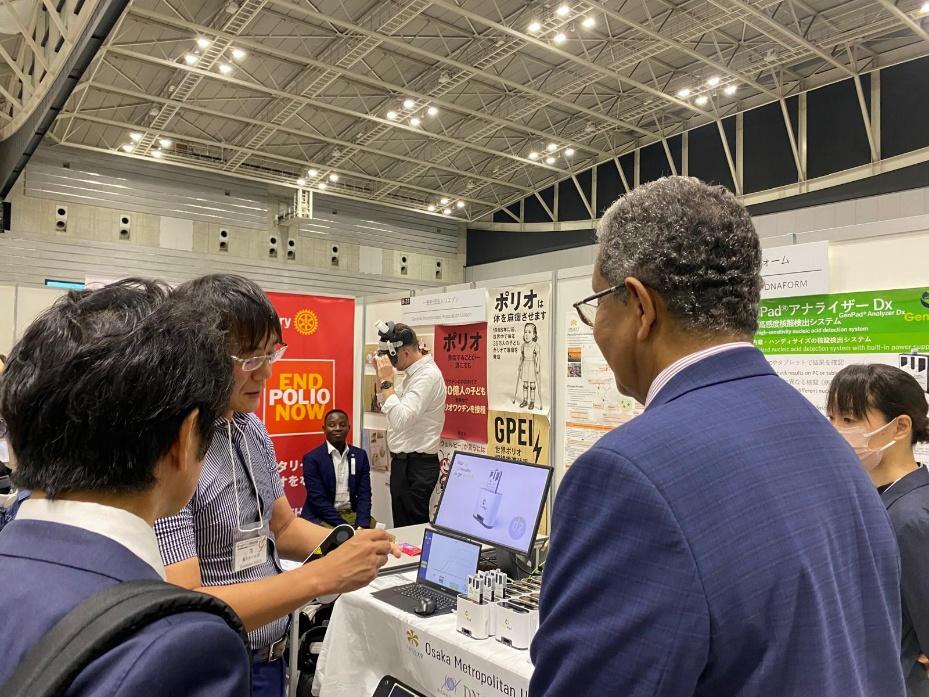
The MRC also engaged with Eisai Co. Ltd. representatives, Dr Katsura, and Dr Kyoko, discussing ongoing activities in Sudan, including the clinical study of fosaruvucozole at the Kassala Mycetoma Satellite Centre and its potential registration in Sudan. The discussions were practical and outcome-oriented, resulting in several actionable planning steps to advance trials, regulatory considerations, and eventual patient access.
Networking, Partnerships, and Knowledge Exchange
The delegation conducted numerous meetings with DNDi colleagues, including Dr Luis Pizarro, Executive Director, Dr Daisuke Imoto, DNDi Japan Director and Business Development Director, Dr Daisuke Maki, Senior Business Development & R&D Alliance Manager, and Ms. Midori Morioka of the Communication Department. These engagements reaffirmed the long-standing collaboration in research and development, staff development, and mutual support for MRC’s research agenda and capacity-building initiatives.
The delegate met Professor Kita, the Dean of the School of Tropical Medicine and Global Health at Nagasaki University, and opened broader channels for research collaboration and educational exchange, laying the groundwork for joint programmes, student exchanges, and shared seminars.
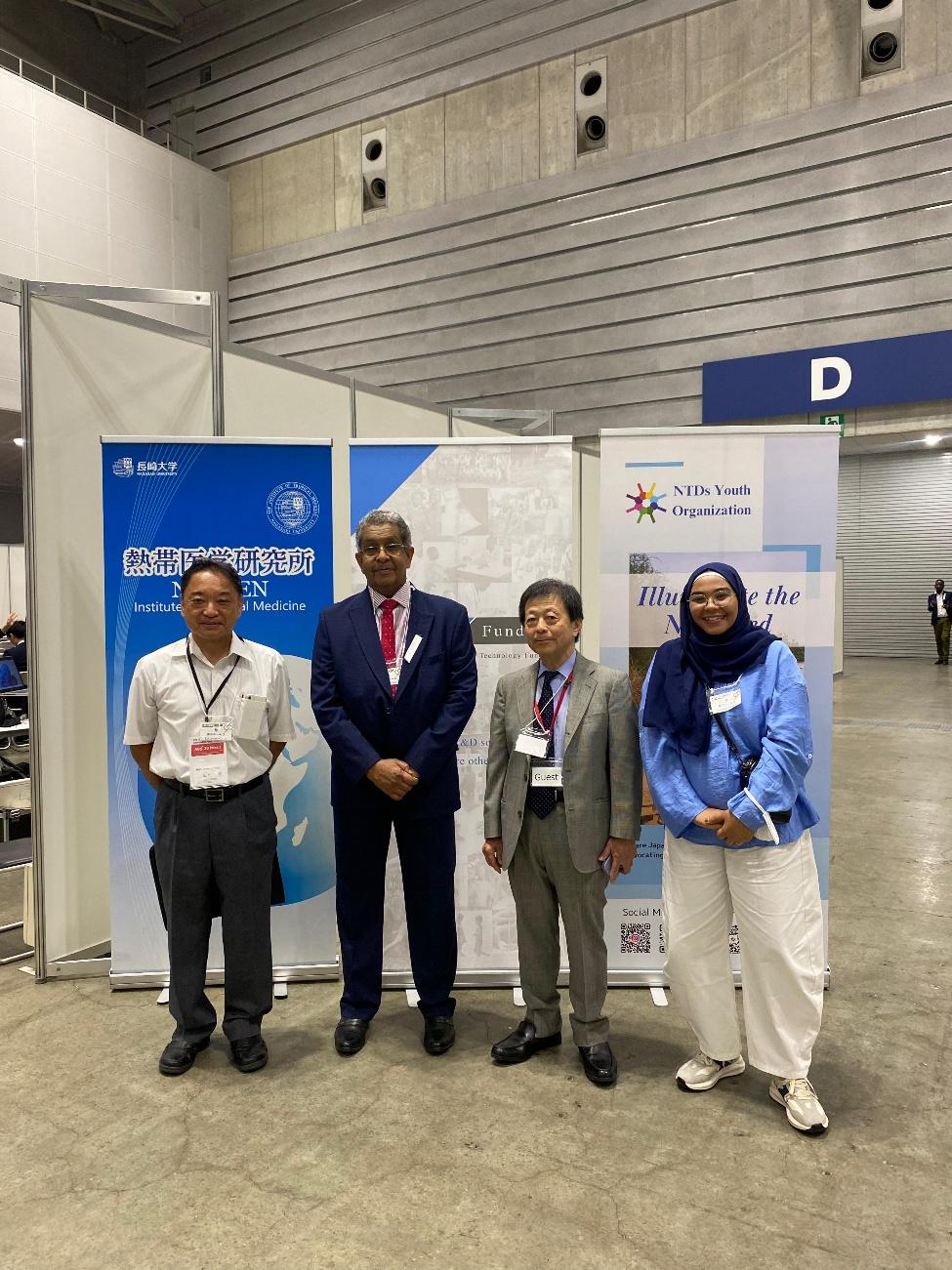
Throughout their stay in Japan, the delegates connected with a broad array of senior officials, scientists, and researchers from organisations such as the Japan Pharmaceutical Manufacturers Association, Rocinantes Organisation, DNDi Japan Office, and colleagues at Nagasaki, Osaka, and Kyushu universities.
They also engaged with staff at the Sudan Embassy in Japan, reinforcing political and diplomatic channels that are critical to sustaining long-term partnerships and enabling smoother coordination for joint activities.
Outcomes, Impact, and Strategic Significance
The Mycetoma Research Centre’s participation in TICAD9 reinforced its leadership role in advancing scientific knowledge, capacity building, and international cooperation around mycetoma. The interactions provided a platform to highlight the Centre’s accomplishments, identify new funding opportunities, and forge strategic alliances with universities, research institutes, industry partners, and humanitarian organisations.
The series of meetings and collaborative explorations demonstrated the MRC’s ongoing commitment to raising global awareness of mycetoma as a neglected tropical disease and to strengthening international collaboration for its prevention, control, and management. The discussions emphasised translating research into practical tools, diagnostics, therapeutics, and public health strategies that can be deployed in endemic regions to improve patient outcomes and reduce disease burden.
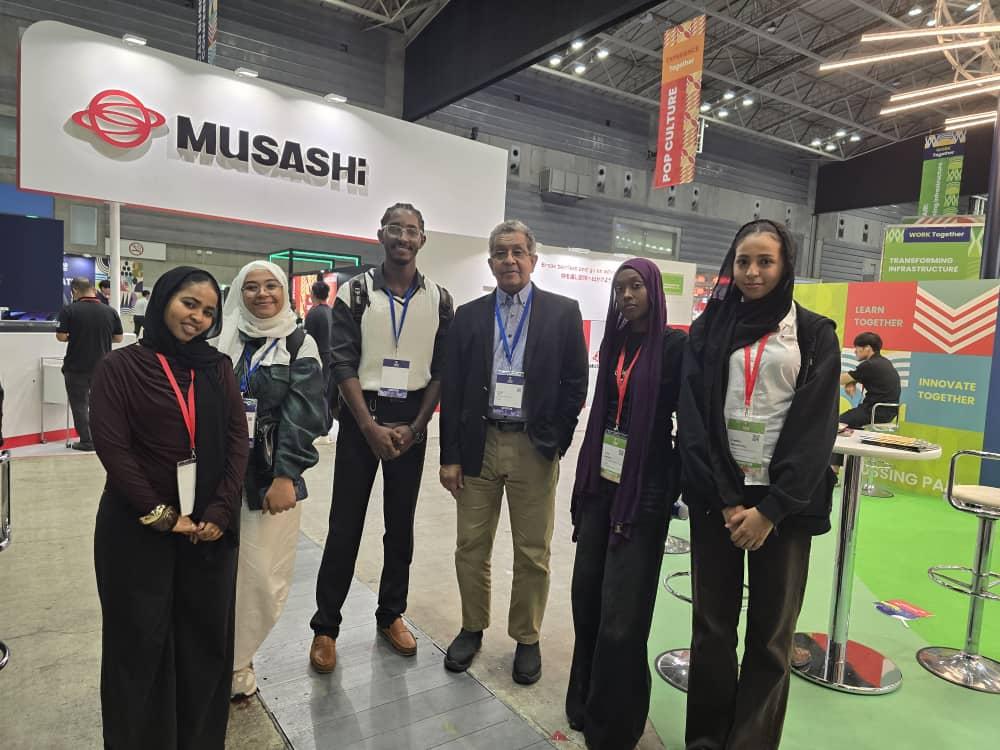
The TICAD9 experience helped crystallise concrete pathways for collaboration, including joint research programmes, capacity-building initiatives, technology transfer, and the implementation of field-ready diagnostics. It also opened doors for policy dialogue, funding opportunities, and cross-border clinical studies, all of which align with the MRC’s strategic objectives to accelerate progress against mycetoma at local, regional, and global levels.
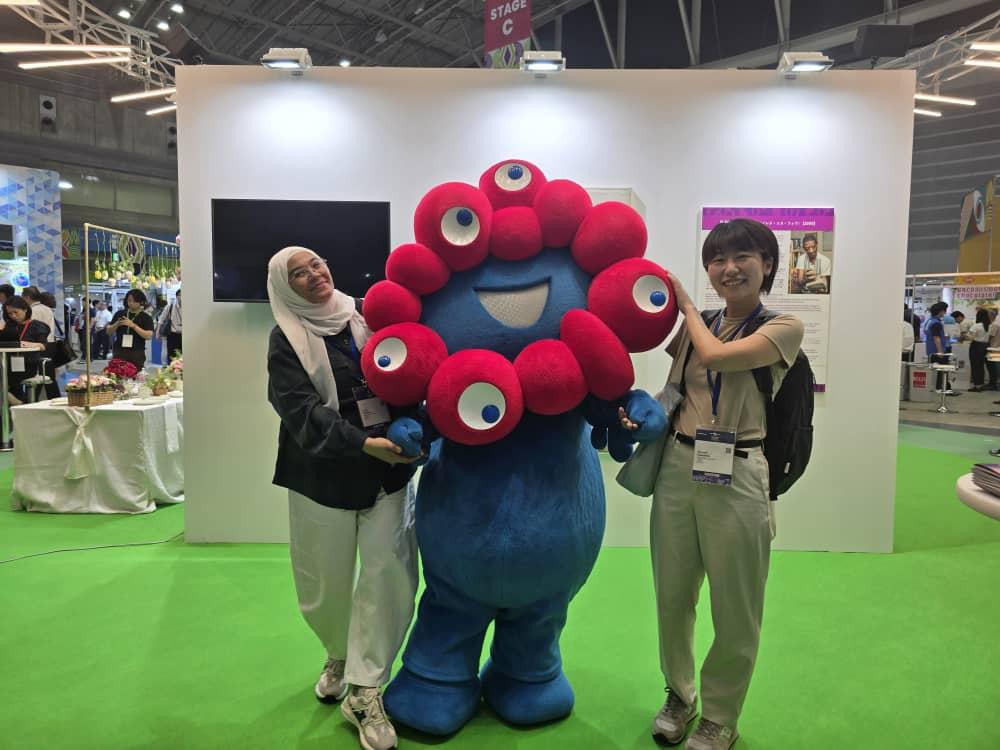
The Mycetoma Research Centre leveraged TICAD9 as a vital platform to broaden its international footprint, showcase its research results, and solidify a diverse portfolio of partnerships with academic institutions, funders, industry players, and NGO partners. The overarching aim remains clear: to advance prevention, diagnosis, treatment, and advocacy for mycetoma worldwide, while strengthening the resilience and capacity of health systems to manage this neglected tropical disease.
It is our great admiration to extend our sincere thanks to Professor Satoshi Kaneko, Dr. Mami Hitachi, Dr. Wataru Kagaya, and their entire team for orchestrating a superb event with exceptional accuracy and professionalism. Their dedication to curating engaging sessions, coordinating logistics, and ensuring a welcoming atmosphere allowed all participants to engage productively and leave with valuable insights.